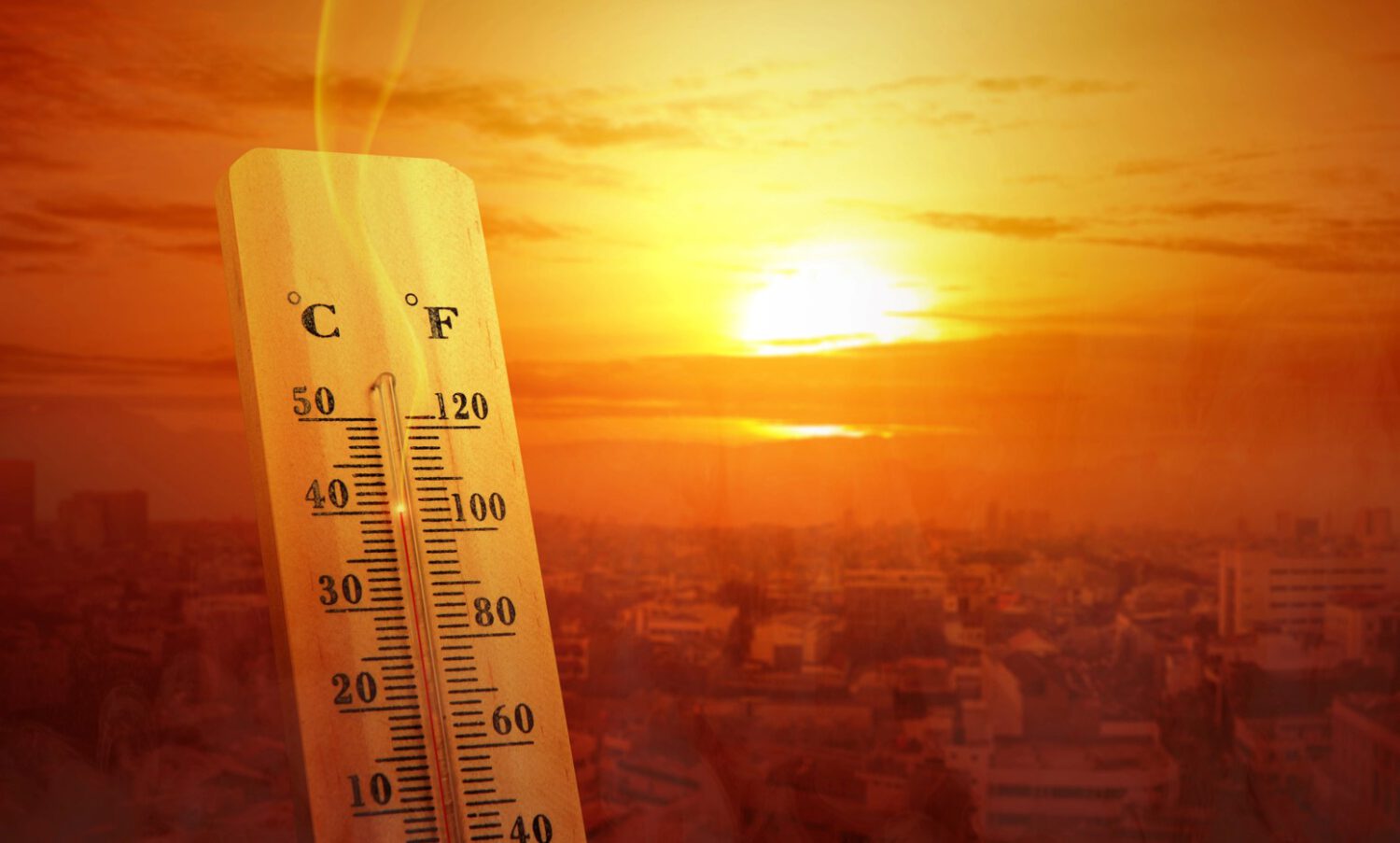
The California Independent System Operator (CAISO) has issued a Restricted Maintenance Operations notice covering 10 a.m. to 10 p.m. Monday and Tuesday. Both Southern California Edison (SCE) and the Los Angeles Department of Water and Power (LADWP) are urging customers to voluntarily reduce electricity use, particularly during the afternoon and evening peak. This is a precautionary measure, not an outage order.
What the Grid Warning Actually Means
Three different alert levels, three very different situations.
A Restricted Maintenance Operations notice directs suppliers and grid operators to postpone or cancel scheduled maintenance that could reduce the availability of generators or transmission lines. CAISO stated it was not forecasting a supply shortfall when the notice was issued. The agency was monitoring conditions and preparing customers in case a Flex Alert became necessary.
A Flex Alert is a separate, voluntary escalation. CAISO issues one when projected demand risks exceeding available supply, asking customers to cut consumption during the critical window.
Neither notice is a mandatory outage order. Rotating outages represent a more serious escalation, and CAISO had not ordered any at the time of this report.
What to Do Between 4 p.m. and 9 p.m.
The five-hour window where your choices can meaningfully reduce pressure on the grid.
SCE recommends pre-cooling your home before 4 p.m., then raising your thermostat to 78 degrees Fahrenheit or higher once the peak period begins, if your health and comfort allow. LADWP makes the same 78-degree recommendation during the hottest parts of the day.
Shift major appliance use outside the peak window. SCE advises running the dishwasher, washing machine, and dryer before 4 p.m. or after 9 p.m.
Charge your phone, laptop, electric vehicle, and backup battery before the afternoon peak, not during it. SCE specifically recommends moving device and EV charging outside the 4–9 p.m. window.
Inside the home, close blinds and curtains to reduce heat gain. LADWP advises skipping the oven when possible, turning off lights in rooms not in use, and powering down electronics sitting idle.
A Note for Medically Vulnerable Residents
Conservation guidance does not override health and safety.
If you or someone in your household depends on powered medical equipment or medically necessary cooling, do not reduce that use. SCE advises customers with critical equipment to keep it powered and to have backup plans ready.
LADWP directs residents to the City of Los Angeles heat-relief map to locate nearby cooling centers during extreme heat.
What Happens If Conditions Worsen
The escalation path, explained plainly.
If demand projections deteriorate through the afternoon, CAISO may issue a Flex Alert requesting additional voluntary conservation from customers across the region. More serious grid emergencies can involve rotating outages, though CAISO had not ordered any at the time of this report. Understanding how a power company manages grid capacity can help residents make sense of these escalating alerts.
Conditions can shift quickly during a sustained heat wave, and CAISO continues to monitor supply and demand in real time.
Stay Connected to Official Updates
Signing up for alerts before conditions change is the practical next step.
SCE encourages customers to sign up for Flex Alert notifications and to monitor the utility’s outage information if conditions deteriorate. Keep an eye on official CAISO, SCE, and LADWP channels for any updates to outage status or cooling-center availability. Acting before conditions force harder choices is exactly the point of the notice.