The tech graveyard overflows with devices too ambitious or unlucky to reach store shelves. These unreleased smartphones pushed boundaries far beyond today’s standard slab, from rollable screens to modular marvels. This collection showcases concepts that came tantalizingly close to reshaping how people interact with mobile technology daily. Anyone scrolling through unreleased-tech forums recognizes that bittersweet “what if” sensation when innovation meets reality’s harsh economics.
10. LG Rollable
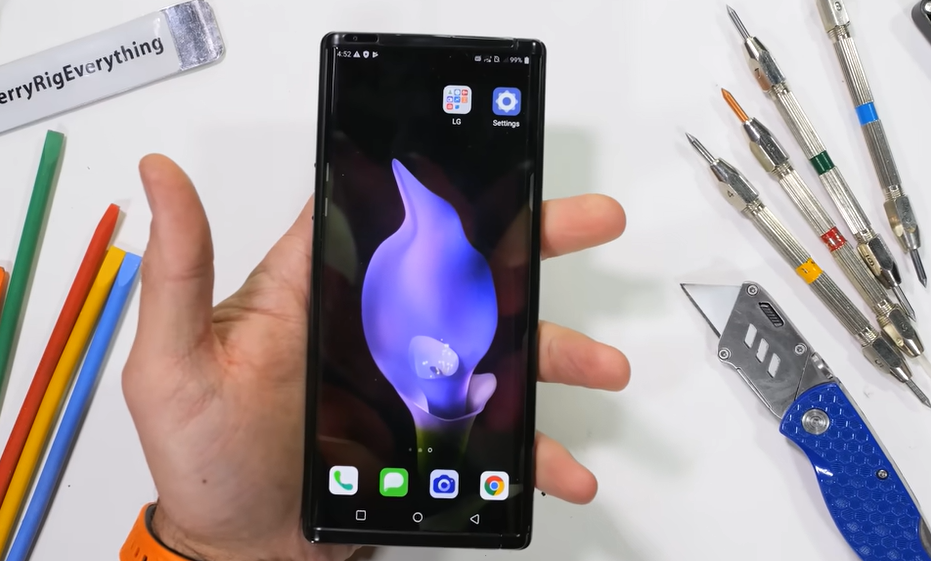
A motorized screen that expanded without the folding-phone crease.
LG unveiled the Rollable smartphone concept at CES 2021. Its flexible OLED display extended laterally through a motorized mechanism, transforming from standard phone dimensions into a larger tablet-like screen. This design avoided the central crease plaguing many foldables, delivering a seamless expanded display. For traveling professionals, a compact device instantly becoming a full workspace represented genuine utility.
The device demonstrated adaptive interface technology, with content fluidly adjusting as the screen expanded. LG’s mobile communications division shut down in 2021, and the Rollable never reached commercial release. Current foldables still wrestle with crease visibility while this sleek alternative remains unrealized.
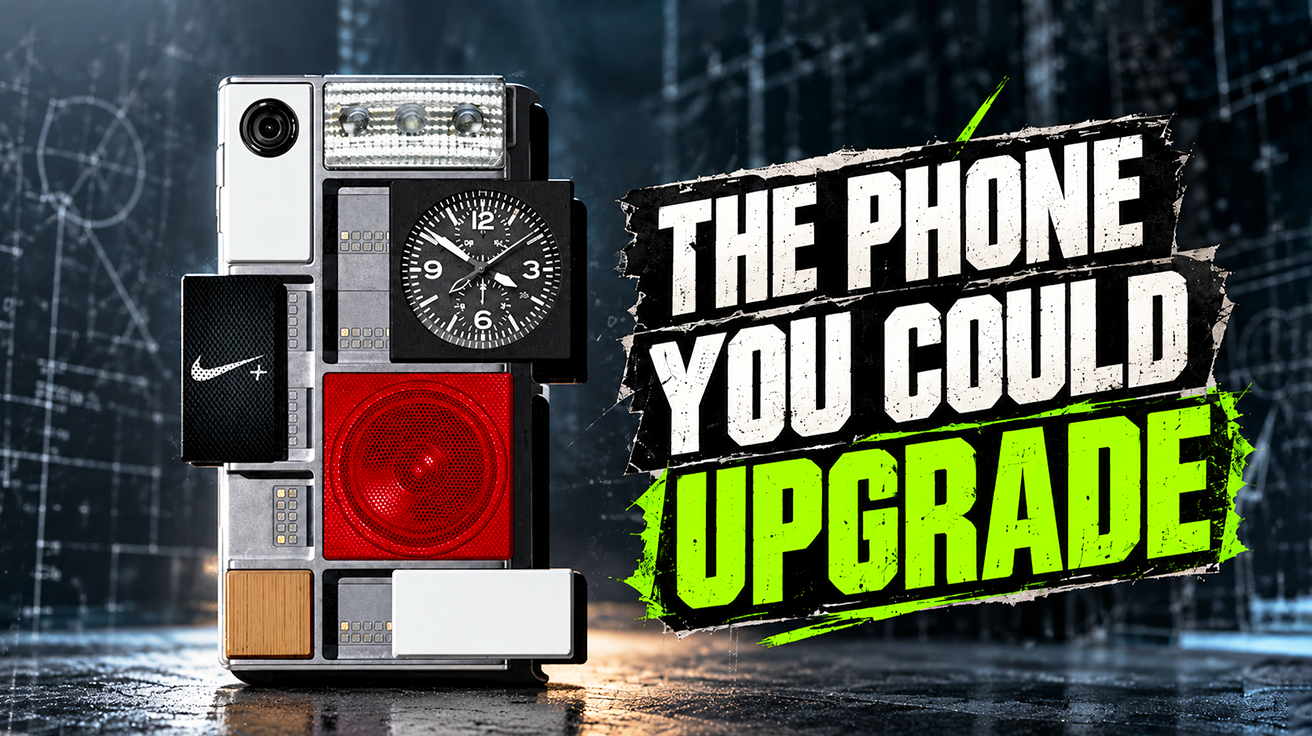
9. Google Project Ara
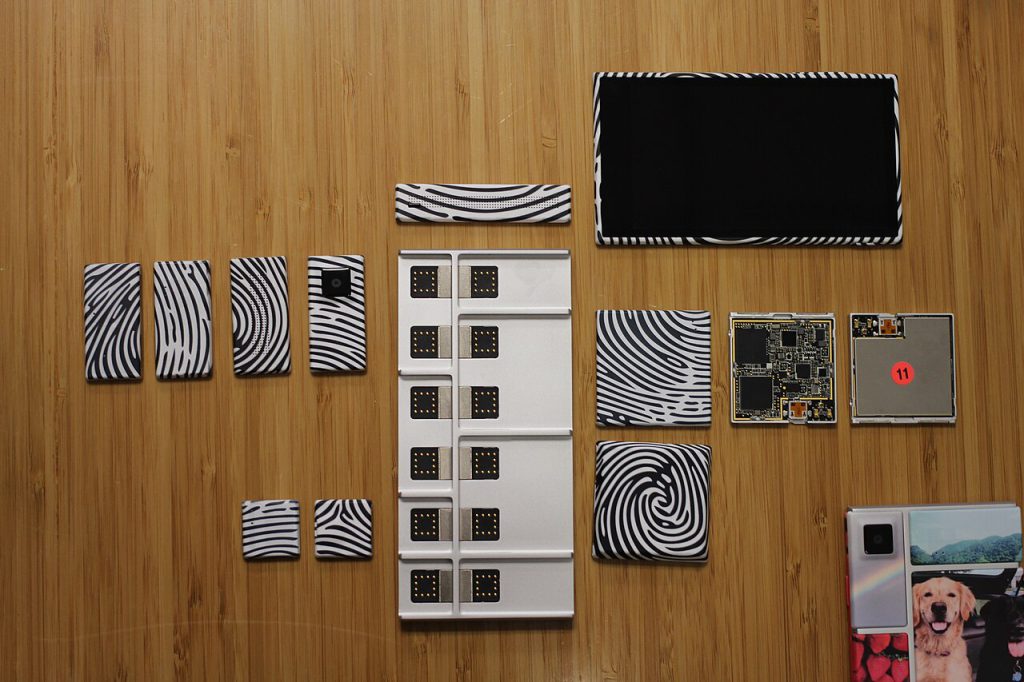
Snap-on modules promised upgradeable phones and reduced e-waste.
Project Ara was Google‘s modular smartphone initiative, built around an endoskeleton base frame supporting replaceable hardware modules. Cameras, batteries, and speakers attached using electropermanent magnets, enabling tool-free swapping. Swapping a phone’s camera module in seconds for a concert felt like a pit stop for digital life.
Google discontinued the project in 2016. Difficulties involving durability, thickness, module connections, and overall product complexity stalled progress. A truly sustainable, upgradeable phone that evolved with individual needs rather than heading to landfills remained conceptual.
8. Xiaomi Quad-Curved Waterfall Display Concept
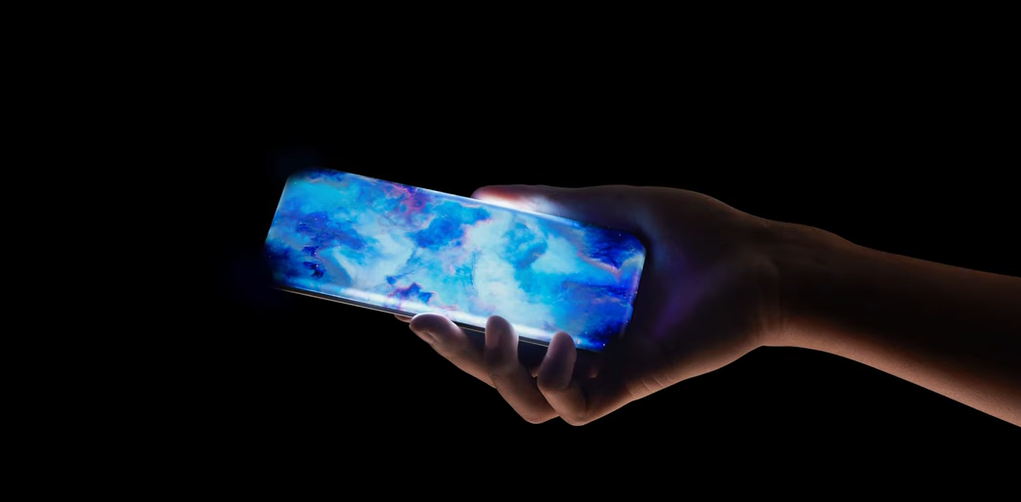
Screen edges bent at 88 degrees on all four sides.
Xiaomi presented this concept in February 2021 with a display curved around all four edges. The approximately 88-degree curvature on every side created an essentially frameless device. Content appeared to spill over the edges in striking fashion, enhanced by a completely portless and buttonless chassis.
Practical concerns emerged immediately. Every edge remained active and touch-sensitive, making accidental inputs nearly inevitable during normal handling. Durability questions around those exposed glass corners raised everyday-viability doubts despite the stunning aesthetics.
7. Nokia 7700
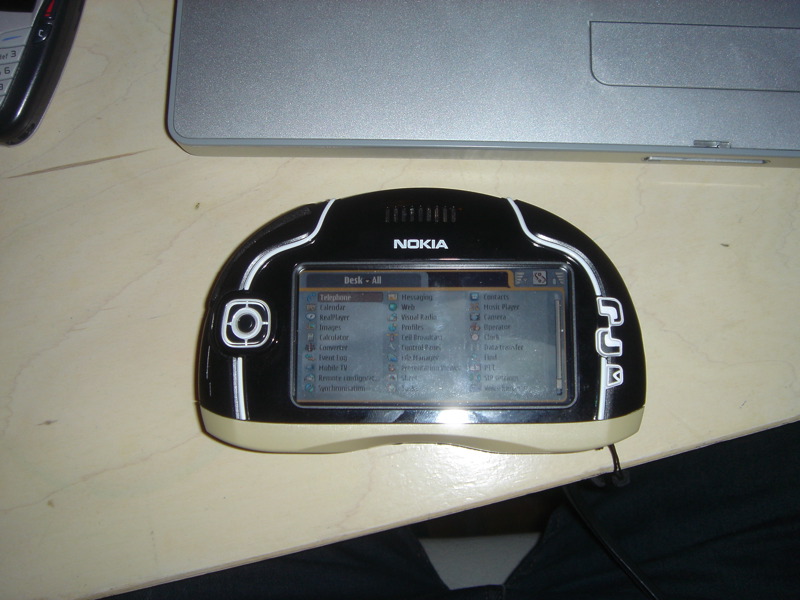
A horizontal touchscreen multimedia phone with built-in TV receiver.
Announced in 2003, the Nokia 7700 was intended as a multimedia smartphone running Nokia’s Series 90 interface. It featured a horizontal touchscreen design, stylus input, FM radio, and television receiver. Its bulky form factor proved about as pocketable as a digital photo frame.
Making calls required an awkward horizontal hold. This unconventional design and unwieldiness led to cancellation before release. Nokia later developed the related 7710, which reached the market.
6. Essential Gem
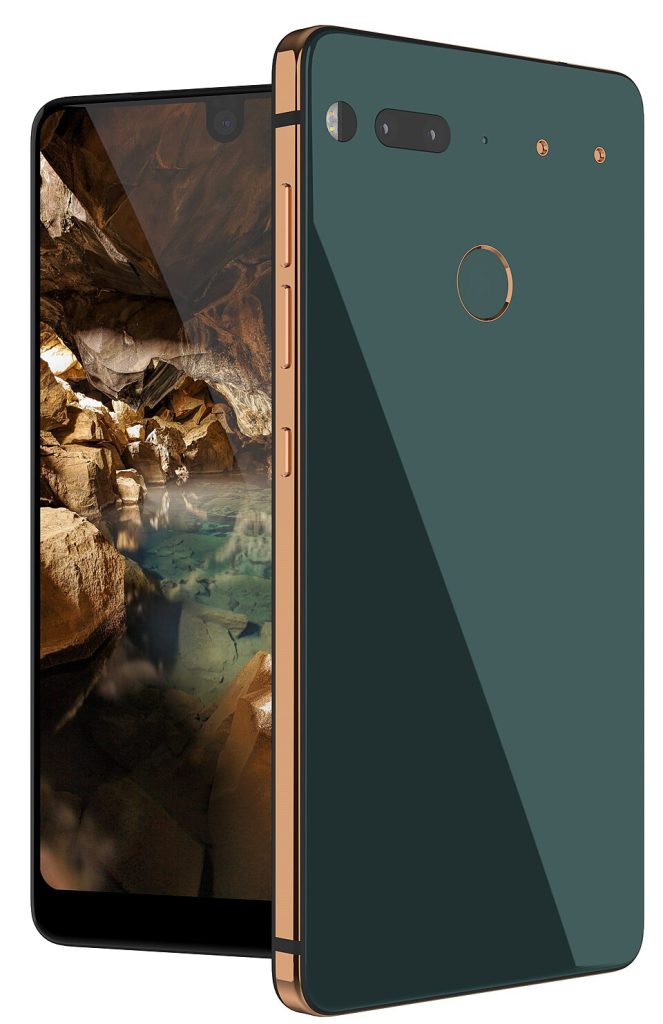
An extremely tall, narrow handset emphasizing voice interaction.
The Essential Gem presented a radically different smartphone vision. Andy Rubin’s Essential company conceived an extremely tall, narrow handset wrapped in jewelry-like colors. Its card-based interface, adapted for the unusual aspect ratio, emphasized voice interaction and AI.
The design positioned the device as a focused digital assistant rather than a distraction machine. Essential shut down in 2020 before the Gem entered production, leaving questions about whether such a bold form factor could genuinely alter ingrained phone habits.
5. Xiaomi Mi MIX Alpha
A 180-percent screen-to-body ratio with display wrapping front, sides, and back.
Introduced in 2019, the Mi MIX Alpha redefined screen coverage, advertising a screen-to-body ratio above 180 percent. Its flexible OLED display wrapped around the device’s front, sides, and back. Touch-sensitive side controls replaced physical buttons, creating futuristic interaction that also invited accidental touches.
The phone included a 108-megapixel camera sensor, promising exceptional image quality. Pricing approached $3,000, and Xiaomi planned limited production. Mass manufacturing the surround display proved too complex, and low yields led to abandoned widespread release.
4. Microsoft Lumia McLaren
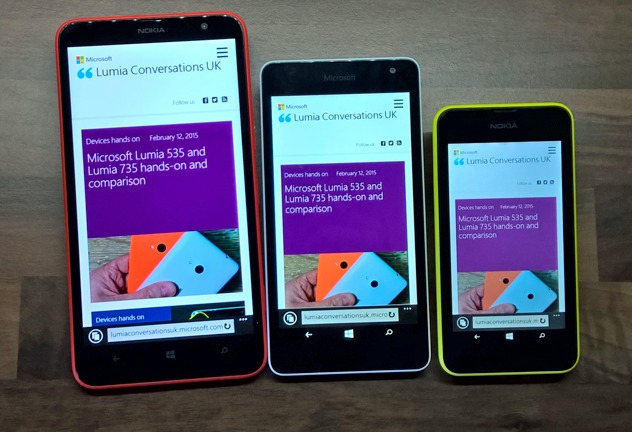
Proximity sensing enabled gesture interactions without touching the screen.
The Lumia McLaren was an unreleased Windows Phone developed as a potential Lumia 1020 successor. Its defining feature was “3D Touch,” which used proximity sensing to recognize hovering and gesture-like interactions without direct contact. Answering calls by simply holding the device to your ear represented an intuitive leap.
Microsoft reportedly canceled the phone in 2014, several months before its expected launch. The device never became a commercial product.
3. Nokia N95 Reboot
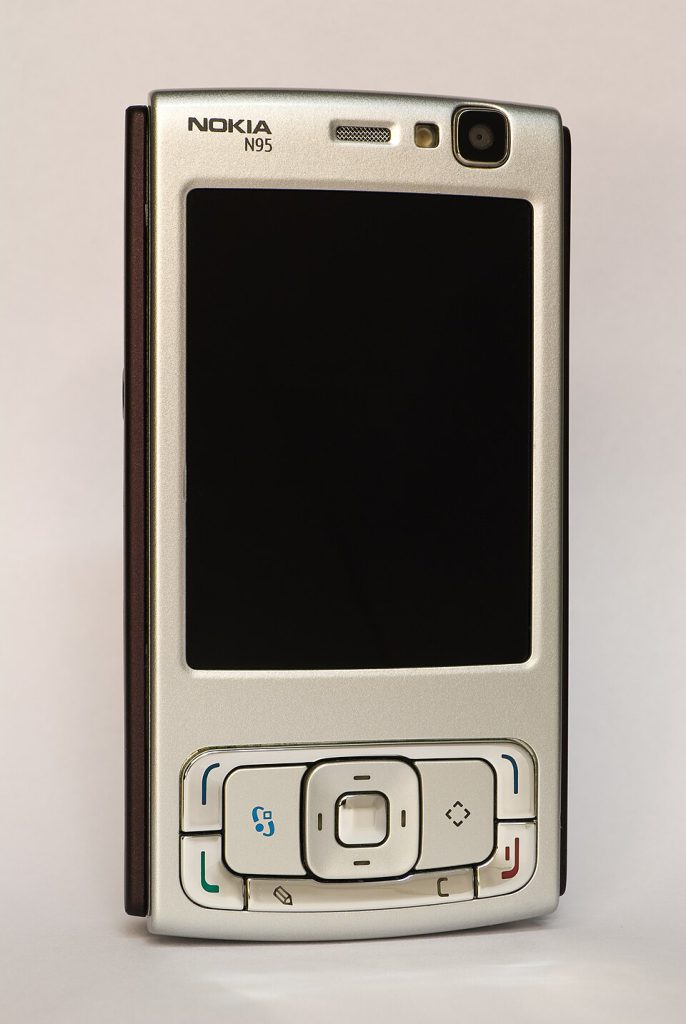
A dual-slider design revealing camera and media controls through physical movement.
HMD Global reportedly explored a modern successor to the Nokia N95 that would revive the dual-slider concept. Sliding the screen up revealed a selfie camera and speaker grille; sliding down exposed media controls. The sleek aluminum body featured a circular camera module with a kickstand ring.
The complex dual-slider mechanism would have made the device too expensive for its intended market, according to Android Authority. The cost of intricate nostalgia proved unsustainable, and it remained a prototype.
2. Meizu Zero
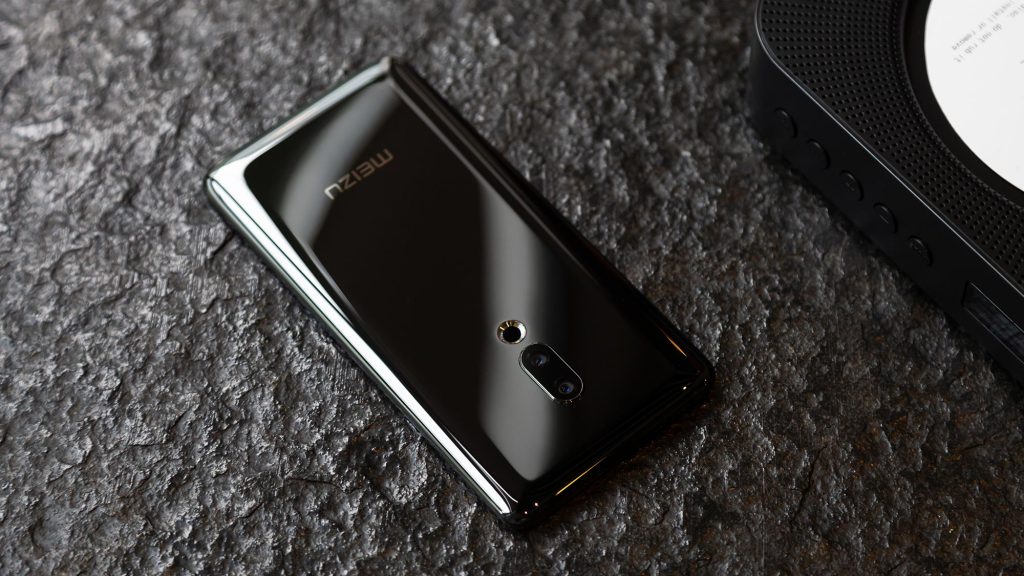
No ports, buttons, or SIM tray—wireless charging and screen vibration audio only.
Announced in 2019, the Meizu Zero was designed as a portless smartphone with no charging connector, speaker grille, SIM tray, or physical buttons. It used wireless charging, screen-vibration audio based on a piezoelectric transducer, and pressure-sensitive virtual controls along the frame.
Meizu promoted the device through an Indiegogo campaign. The campaign failed to reach its funding objective, and the phone was never commercially released. People still valued physical buttons and reliable charging ports over minimalist design purity.
1. Ubuntu Edge
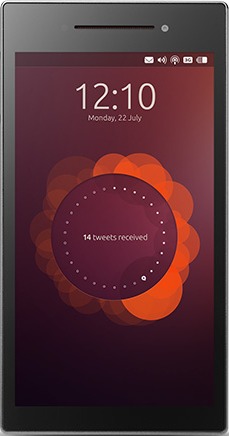
A phone-desktop hybrid seeking $32 million through crowdfunding.
Canonical proposed the Ubuntu Edge as a convergence device functioning as an Android smartphone and, when connected to a monitor, a full Ubuntu desktop computer. The proposed specifications included premium materials, sapphire crystal protection, large storage capacity, and dual-boot capability. People could carry their entire digital life in one pocket.
The Indiegogo campaign sought an ambitious $32 million target and raised more than $12 million, but it did not reach the goal. The phone was never produced, though the convergence concept influenced later innovations such as Samsung DeX.