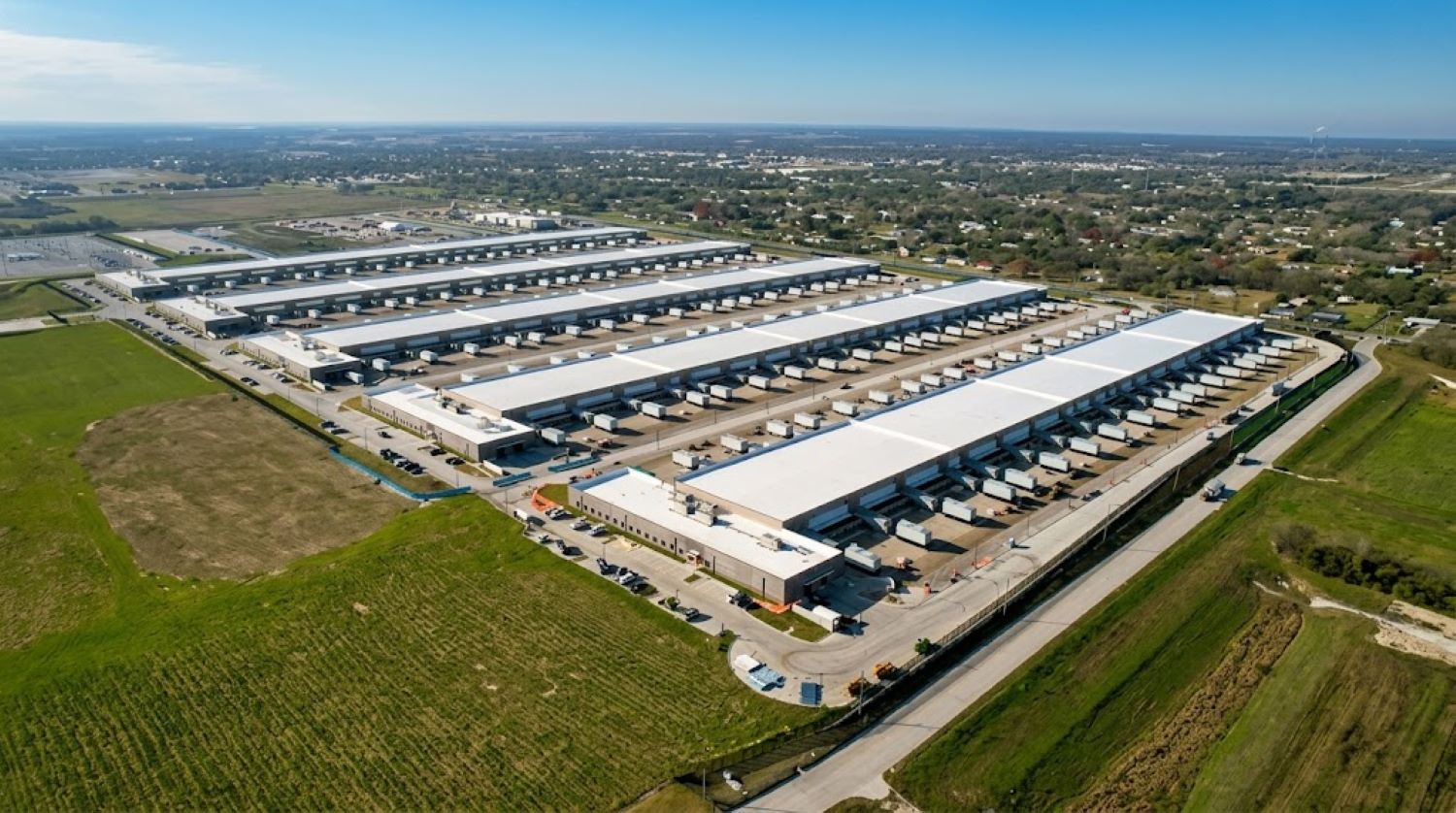
A letter arrives in your mailbox offering $10,000, with one condition: a 1,300-acre data-center campus gets built in your township first. That is the situation facing roughly 4,500 households in Hazle Township, Luzerne County, Pennsylvania, where NorthPoint Development has proposed Project Hazelnut, a campus of up to 15 data-center buildings in the Pocono foothills.
As demand for AI infrastructure accelerates, tax-revenue promises and school-funding pledges no longer reliably quiet local opposition. NorthPoint’s approach suggests the industry is recalibrating, trading institutional benefits for something more direct: a personal check with strings attached.
The Offer, Explained
NorthPoint’s revised community-benefits proposal reportedly totals $165 million. The household-grant fund accounts for $45 million of that, at roughly $10,000 per eligible household. A separate $15 million would go toward education, workforce training, arts, recreation, and youth programs. The remaining $105 million would flow to the township at approximately $7 million annually over 15 years, according to reporting by Lehigh Valley Live.
The critical condition: no household receives a dollar until the first building earns a certificate of occupancy. That means approval, construction, and inspection all have to go NorthPoint’s way before a single payment goes out.
The offer is downstream of every consequential decision. Residents are being asked to weigh a future check against permanent changes to their community, before the outcome is certain.
What Residents Actually Object To
Some residents interviewed in published coverage called the offer a bribe. That is their characterization, not a legal finding, and it reflects something real: a company proposing a large industrial campus in a Pocono foothills township and then sending a letter designed to make it feel like a negotiation.
Other reported concerns include industrial noise, changes to the rural landscape, potential property-value declines, and the project’s anticipated water and energy demands. These are prospective risks, not established outcomes of an unbuilt project, but they are reasonable questions for a community to raise before approving a campus of this scale.
Distrust runs deeper than NorthPoint specifically. Reported concerns also include skepticism toward AI companies broadly and doubts about whether local officials are adequately protecting township interests.
Legal and Zoning Status
Township supervisors voted 3-0 in November to deny NorthPoint’s land-development plans. A Luzerne County judge subsequently directed the company to seek approval through the zoning hearing board or pursue a special exception from supervisors, according to Lehigh Valley Live. In June, supervisors approved a 180-day curative amendment that paused new data-center applications while officials drafted updated zoning rules. NorthPoint is challenging the rejection in court, and the litigation remains ongoing.
The township’s existing zoning framework reportedly did not specifically address data centers, which is the kind of regulatory gap that allows developers to move faster than communities can respond.
The Broader Problem
Direct household payments are unusual in this industry. Community-benefits packages more often target schools, emergency services, and infrastructure, because that approach tends to generate less visible opposition. Sending $10,000 letters to individual households collapses the distance between a corporation and a kitchen table, and it is not surprising that residents noticed.
A more credible approach would involve binding community engagement before site selection, noise-mitigation standards with real enforcement mechanisms, and zoning frameworks that give municipalities actual leverage before the letters start arriving.
What Comes Next
The outcome in Hazle Township could matter well beyond Pennsylvania. If municipalities elsewhere are watching, this case offers an early look at how communities might use updated zoning rules and legal challenges to shape the terms on which AI infrastructure gets sited. The unresolved questions, including noise standards, water use, electricity supply, and the legal enforceability of household payments, will determine whether Project Hazelnut becomes a model or a cautionary example.