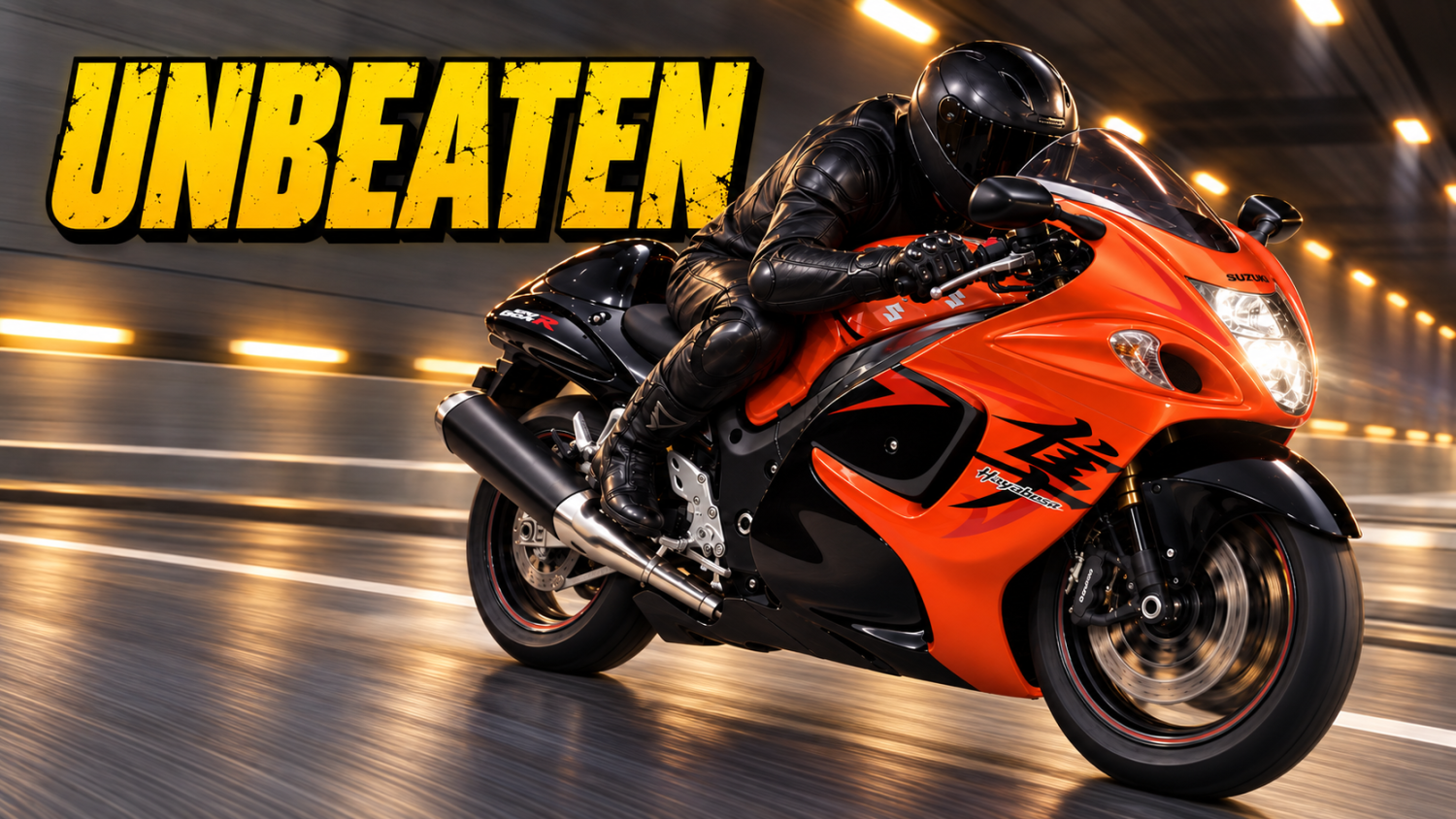
The early 2000s delivered a golden age for motorcycles, a brief window before electronic nannies took over and softened the edges. Manufacturers were locked in a horsepower war, creating machines that felt more like untamed beasts than daily commuters. This was an era defined by raw engineering and unfiltered performance, where a bike’s true character revealed itself in every twist of the throttle. The bikes below punch above their weight, proving that true grit never goes out of style.
15. Yamaha YZF-R1 (2004–2006)
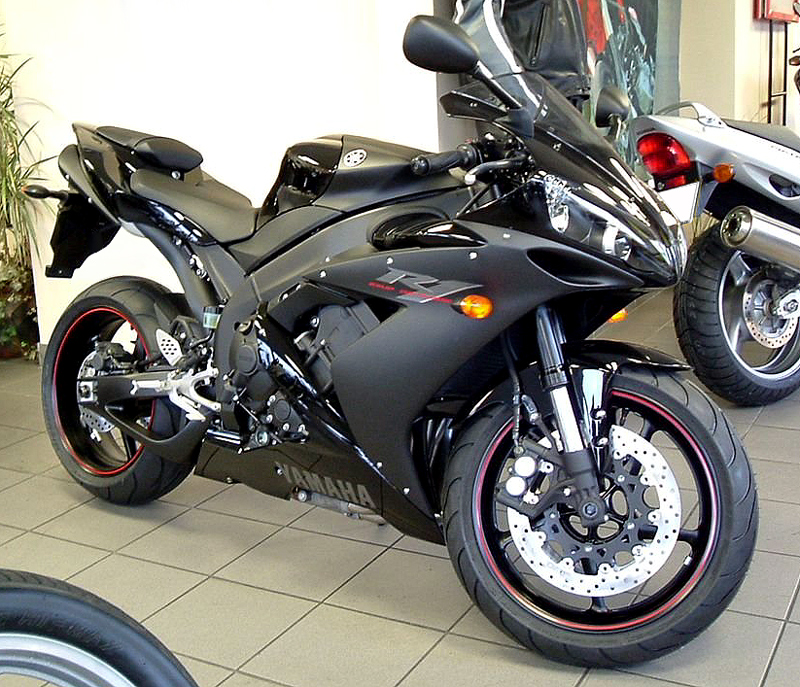
Raw performance without the digital babysitters at a fraction of modern prices.
Nearly $14,000 cheaper than some modern counterparts, the 2004–2006 Yamaha YZF-R1 delivered unfiltered superbike thrills. Its 998 cc inline-four engine produced 126.4 kW (172.0 PS) at 12,500 rpm, a fierce kick few bikes today truly match. This was an analog superbike, like vinyl in a streaming world.
Weighing just 172 kg dry (approximately 436 lb wet), it was a lightweight contender, especially against heftier alternatives like the Yamaha MT-10 SP. This bike came stock with an aerospace-grade titanium exhaust system. Its top speed around 180 mph still delivers. For $4,000–$6,500 today, riders acquire a machine that handles with no filters, just raw talent.
14. Suzuki GSX-R1000 (2001–2002)
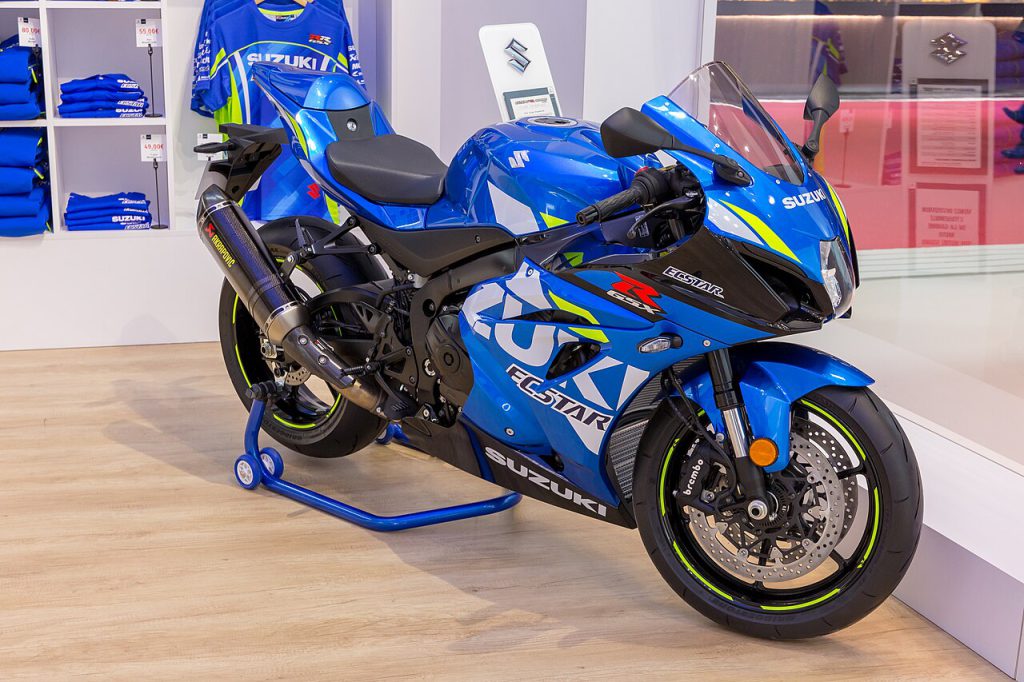
The bike that launched Suzuki’s modern liter-bike era with a revolutionary power-to-weight ratio.
The 160 horsepower from the 2001–2002 Suzuki GSX-R1000‘s 988 cc inline-four engine completely reset expectations for liter-class superbikes. This power, coupled with a dry weight around 170 kg, created a ratio that felt like strapping a rocket to a feather. Its aluminum twin-spar frame delivered an unfiltered riding experience, a stark contrast to today’s electronics-heavy bikes.
Owners consistently praise its directness, stating the bike “trusted you,” an ode to its lack of electronic intervention. The GSX-R1000 feels like a classic arcade game where raw skill mattered, unlike today’s forgiving simulators. These pure-intent machines fetch between $3,500 and $5,500 on the market today. Top speed hovers around 180 mph, matching modern superbikes costing three times as much.
13. Kawasaki Ninja ZX-6R (2005–2006)
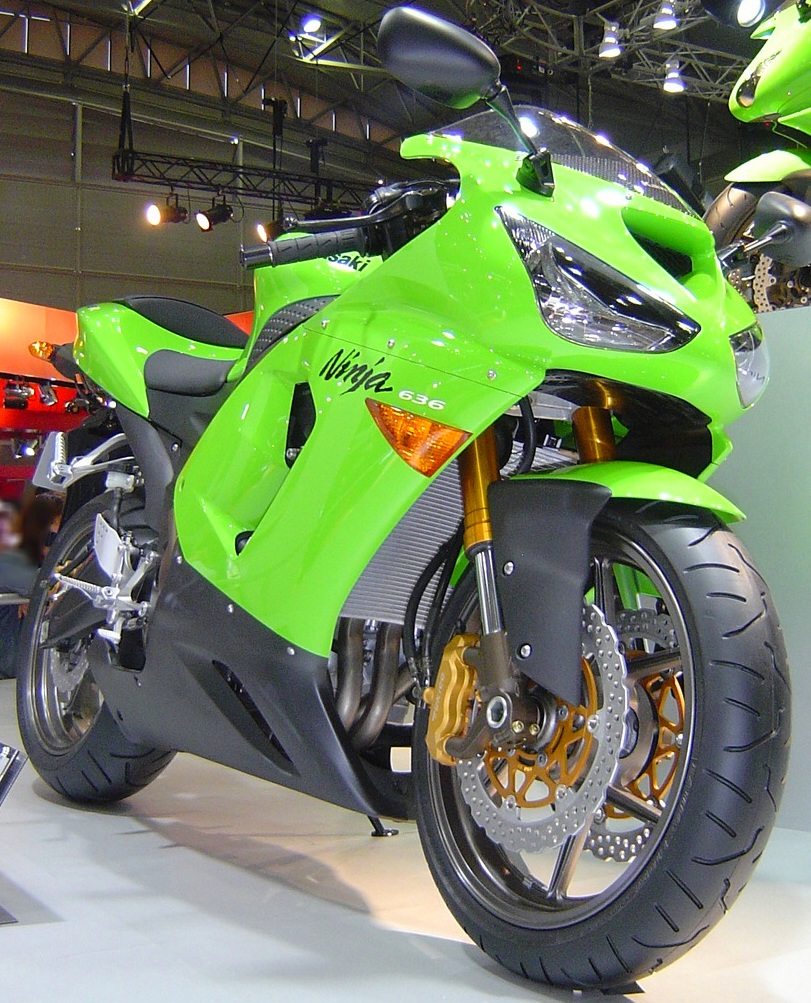
Extra displacement delivered street-friendly torque that strict 600cc rivals couldn’t match.
A unique 636 cc displacement set the 2005–2006 Kawasaki Ninja ZX-6R apart from its rivals. This inline-four engine produced around 130 hp (approximately 136 hp with ram air) and hit a top speed of 164 mph. Its pressed-aluminum perimeter frame and 41 mm inverted fork gave it razor-sharp handling that cut through corners with surgical precision.
The extra displacement translated into an immediate mid-range punch, providing significant street-friendly torque over strict 600cc competitors. Riders felt every input, as its direct throttle response made them part of the machine. Today, these models fetch $3,000 to $4,500—a bargain compared to a modern ZX-6R offering 127 hp for $12,000. Its aggressive ergonomics were less a gentle embrace and more a firm handshake from a personal trainer.
12. Honda CBR929RR (2000–2001)
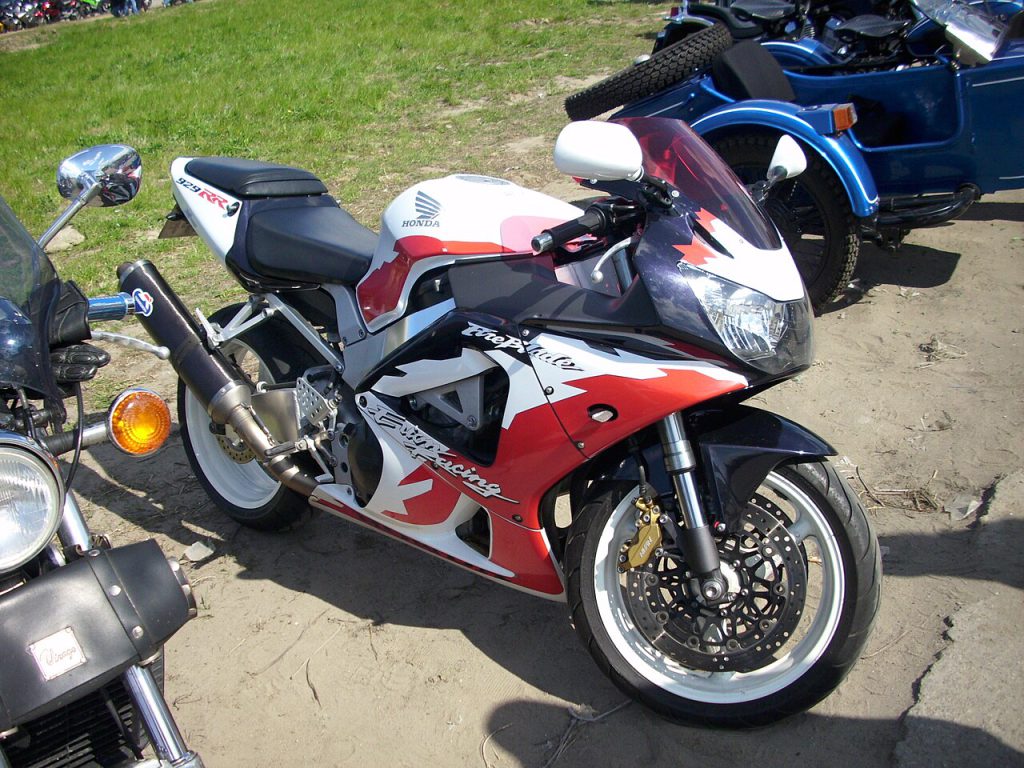
F1-inspired ram-air technology in a lightweight superbike package.
The Honda CBR929RR, spanning model years 2000–2001, introduced a ram-air system with dual intake scoops in the nose fairing. These channeled high-pressure air directly into the airbox, significantly boosting the 929 cc inline-four engine’s output at speed. This delivered approximately 150 horsepower, capable of propelling the bike to a top speed near 175 mph.
This machine offered an unfiltered riding experience, a direct contrast to today’s more digitally refined sport bikes costing $10,000 to $14,000. Riders felt a raw, direct connection to the road through every input. For just $3,000 to $5,000 today, it represents uncompromised engineering prowess—straight espresso, not a sugary latte.
11. Ducati 999 (2003–2006)
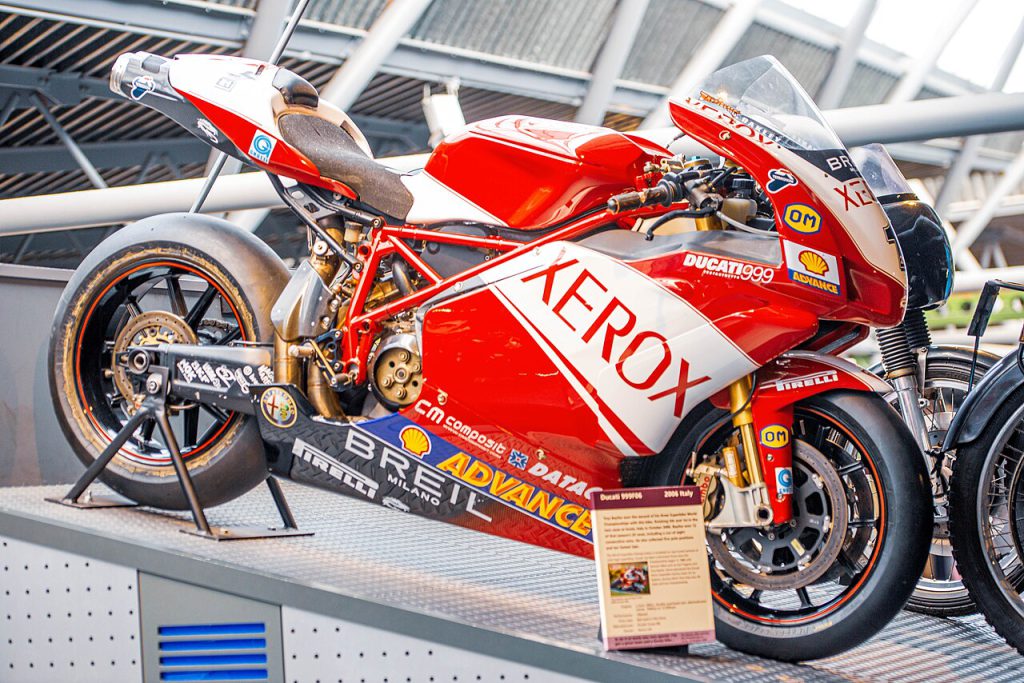
Track-focused Italian superbike with exotic desmodromic valve technology.
The Ducati 999, despite its initial polarizing reception, now fetches between $5,500 and $9,000 on the used market. An S version with full service history often sells for around $7,000. Its Pierre Terblanche design, once dismissed as too avant-garde, has since gained appreciation for its minimalist lines. This machine was built for unadulterated performance, featuring a 998 cc L-twin engine.
The standard model produced 124 hp, with the S version boosting that to 143 hp, signaling clear track intent. At its core was Ducati’s signature desmodromic valve actuation system. This engineering marvel uses mechanical rockers to precisely open and close valves, completely eliminating valve springs and preventing valve float even at extreme revolutions. The 999 was a specialized tool that demanded a skilled rider to truly exploit its capabilities—a purebred racer barely disguised for the road.
10. Aprilia RSV Mille R (2001–2003)
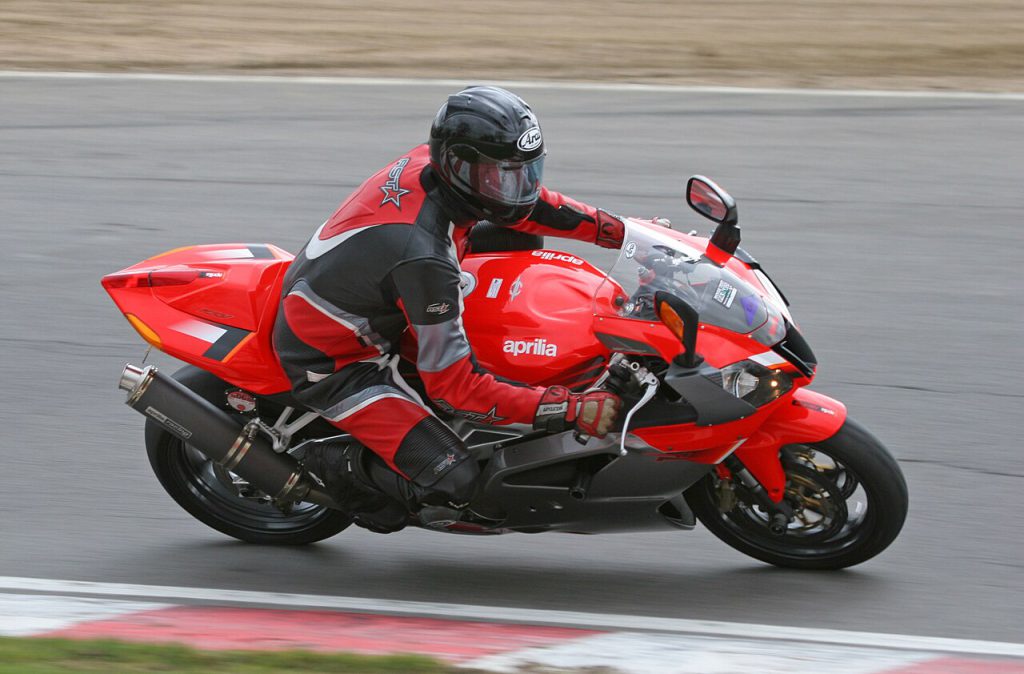
Italian V-twin superbike engineering that isolated vibration through innovative chassis design.
Aprilia engineering produced a 139 hp 998 cc 60-degree V-twin engine, but its true genius lay in combating inherent vibration. Traditional V-twins often send raw buzz through the rider, a common complaint on long hauls. This Italian superbike tackled that issue head-on.
The bodywork mounted on a separate subframe, significantly reducing engine vibration transfer to the rider. This innovative design delivered exceptional smoothness for a V-twin, a level of sophistication modern manufacturers still chase. Despite its technical prowess, the RSV Mille R typically trades for $4,000 to $7,000 on today’s market, making it an accessible piece of two-wheeled defiance. A passionate, dedicated community still rallies around these bikes, proving some legends are too good to fade away.
9. Kawasaki Z1000 (2003–2006)
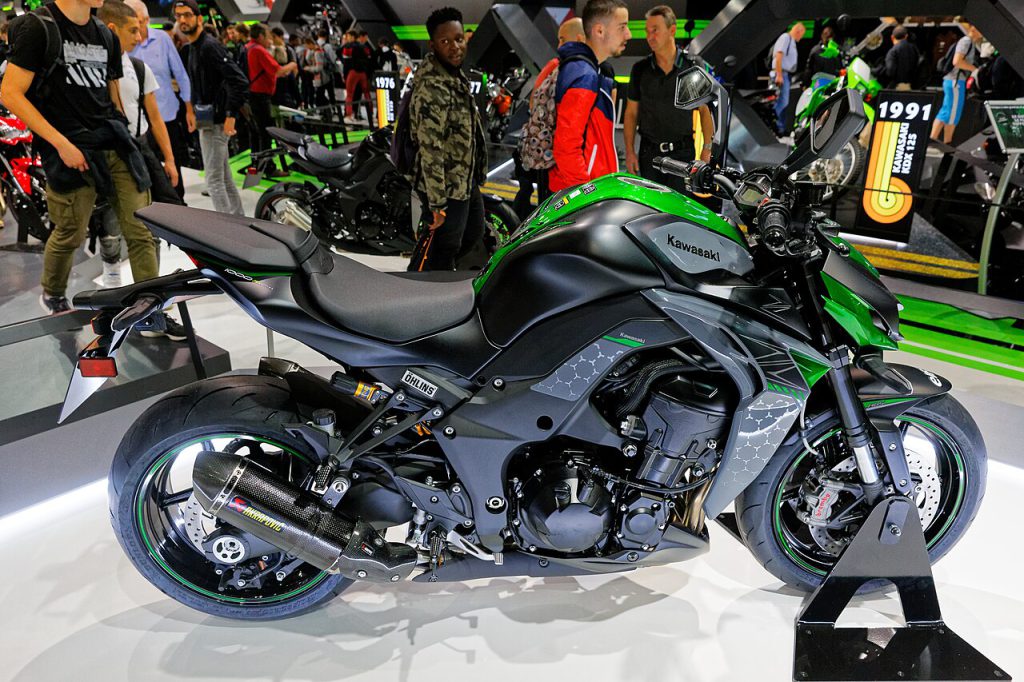
Aggressive styling that established the modern streetfighter blueprint.
Before the 2003 Kawasaki Z1000, the naked bike segment felt bland. This machine delivered 953 cc of inline-four fury, producing 127 hp and a top speed of 155 mph. Its aggressive, angular styling was not merely cosmetic; it established a new visual language for the class, making other bikes look suddenly old-fashioned.
The Z1000’s innovative chassis geometry was key to its surprising agility. An offset layshaft gearbox allowed the engine to sit lower in the frame, creating a low center of gravity. This engineering choice meant the bike handled with a precision that belied its brawler appearance. Today, riders can find one for $3,000 to $5,000, owning a piece of the blueprint for modern streetfighter aesthetics.
8. Triumph Speed Triple (2005–2007)
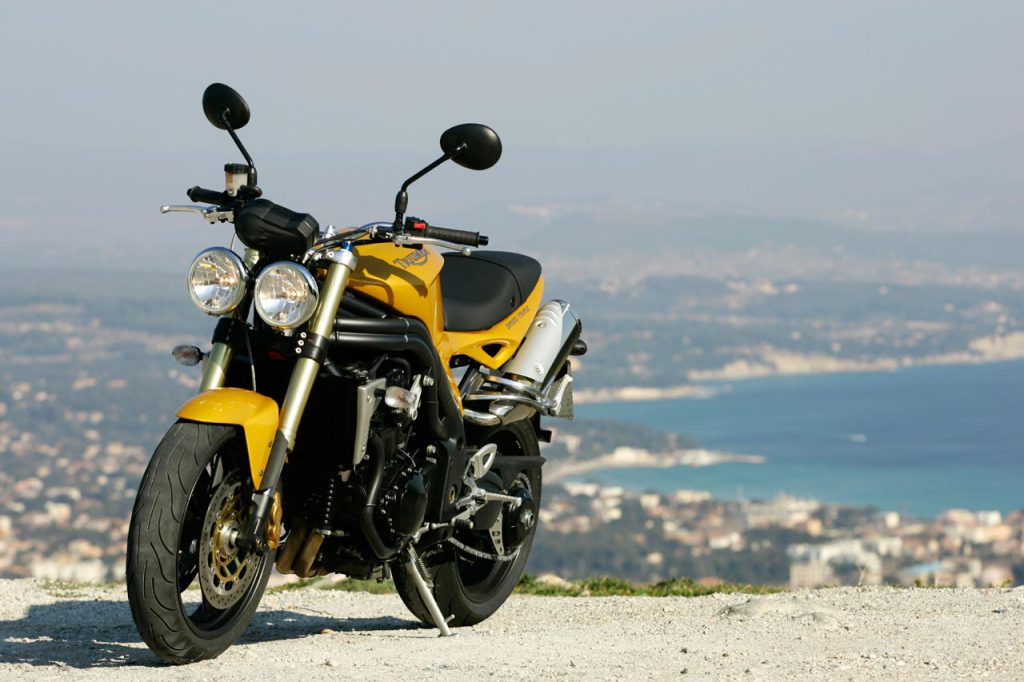
Unequal firing intervals create an auditory signature that modern bikes can’t replicate.
At 8,000 rpm, the 2005–2007 Triumph Speed Triple’s engine note fundamentally redefines what a motorcycle can communicate. Its 1,050 cc inline-three engine, producing 130 hp, doesn’t just make noise; it unleashes a primal growl that cuts through traffic with authority.
The secret lies in its unequal inline triple firing interval, which generates a physical, deep acoustic signature more like a heavy metal concert than a polite commuter bike. Modern bikes, like the over $14,000 Street Triple RS, might offer technical superiority. However, they often lack this raw, visceral involvement. At a street price between $4,000 and $6,500, riders acquire a bike whose sound alone can ruin all other motorcycles. Anyone who has heard it knows too well.
7. Yamaha MT-01 (2005–2012)
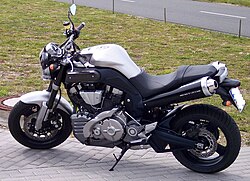
Cruiser-derived torque monster wrapped in naked bike styling.
Yamaha’s MT-01, introduced in 2005, initially perplexed the motorcycle world by deploying a massive 1,670 cc air-cooled 48-degree V-twin engine, typically found in a Road Star Warrior cruiser, within a naked sport bike chassis. This unconventional setup delivered a staggering 111 lb-ft of torque, nearly double the 65 lb-ft of a modern Yamaha XSR900, despite its modest 90 hp.
Riders could feel that low-end grunt challenging the era’s high-revving conventions. This machine was less about blistering top speeds and more about raw, usable power delivered with a punch. It has since earned cult status, celebrated as one of the most original motorcycles ever produced. Finding one in the United States is rare, with market prices typically ranging from $5,000 to $8,000, solidifying its reputation as a unique “muscle bike” anomaly.
6. Honda VFR800 (5th generation, 1998–2001)
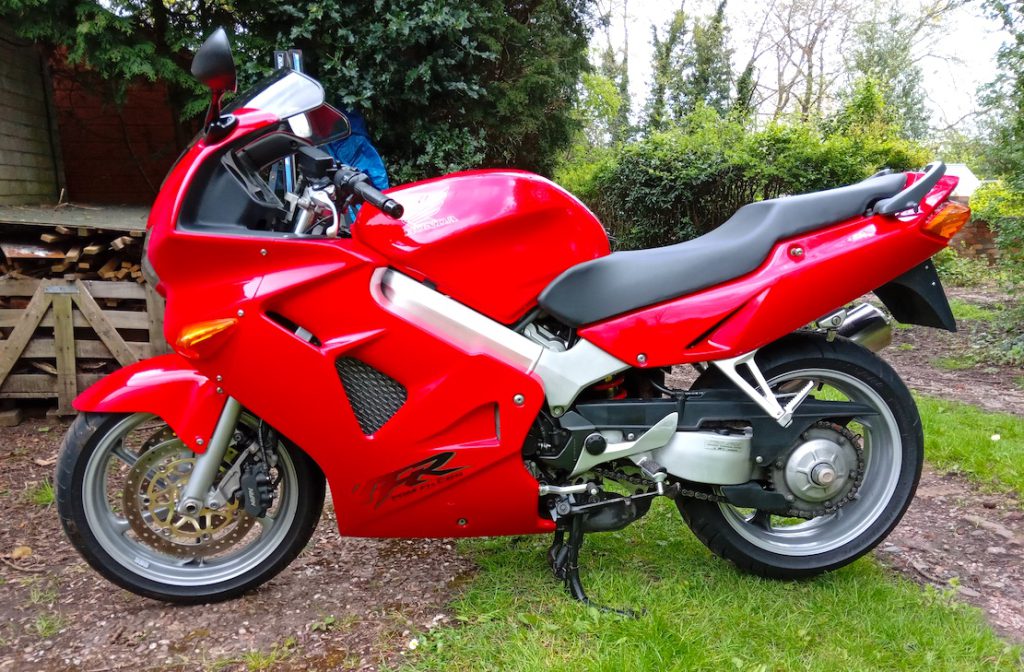
Gear-driven cams ensure bulletproof durability with documented examples exceeding 100,000 miles.
Documented examples of the Honda VFR800 consistently exceed 100,000 miles on original engines, a testament to robust design. This fifth-generation model, built from 1998 to 2001, housed a 782 cc 90-degree V4 engine producing 110 hp. Its gear-driven camshaft system was critical. Direct-meshing metal gears eliminated common wear points like belts or chains, ensuring exceptional durability.
The VFR’s engineering commitment to longevity is clear. Today, these motorcycles sell for $4,000 to $6,500 on the used market, putting them in the price range of a used economy car. Its proven capability contrasts with modern options like the Honda NT 1100, priced over $14,000. Riders essentially get enduring quality for the cost of a fleeting trend—a solid buy for those who value substance over fads.
5. MV Agusta F4 1000R (2006–2009)
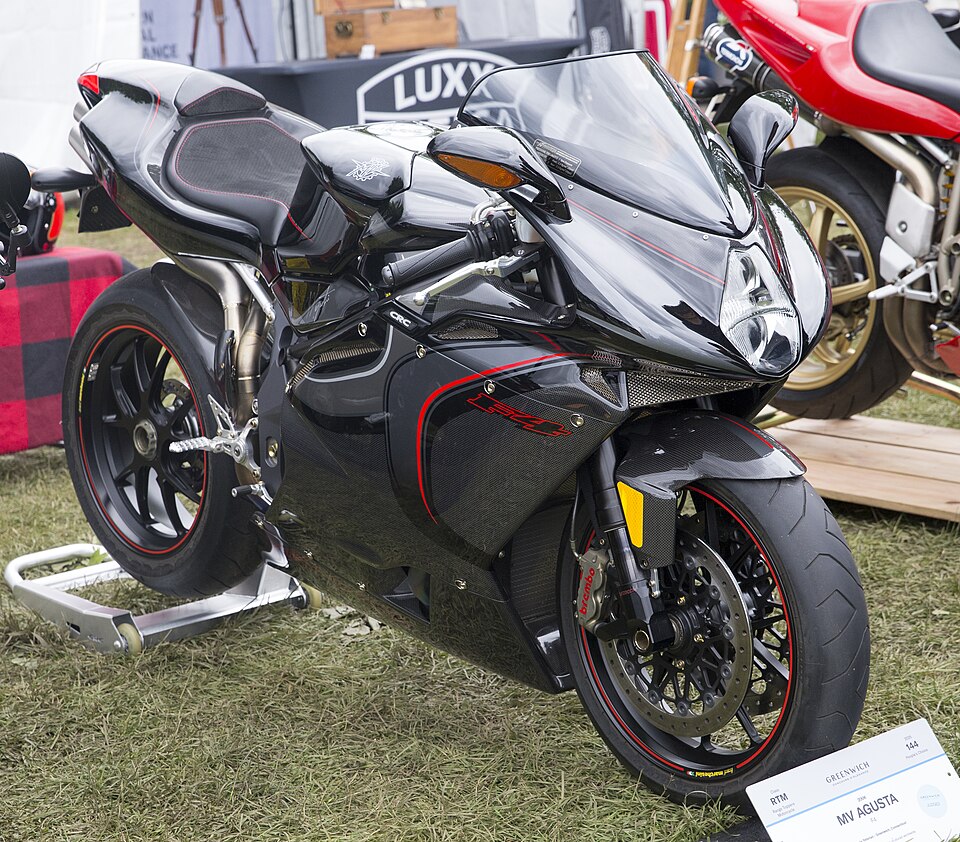
Ferrari-influenced engineering with radially arranged valves and exotic Italian craftsmanship.
Emerged from MV Agusta’s bankruptcy, the F4 1000R was an irrational yet technically brilliant statement on two wheels. Its 998 cc inline-four engine produced 174 hp, a brutal output for the era. Ferrari engineers influenced its design, particularly the combustion chamber’s radially arranged valve angles, optimizing burn efficiency.
This commitment to exotic engineering extended to the bike’s distinctive underseat exhaust system, a sculptural element as much as a functional one. This machine felt less like a motorcycle and more like a finely tuned instrument, demanding respect and precision. Non-negotiable valve clearance services are part of the deal, essential for maintaining its peak performance. A clean 2007 model currently fetches around $9,000, with market prices ranging from $8,000 to $14,000. A well-maintained F4 1000R remains a jewel of Italian engineering.
4. Suzuki Hayabusa (1st generation, 1999–2007)
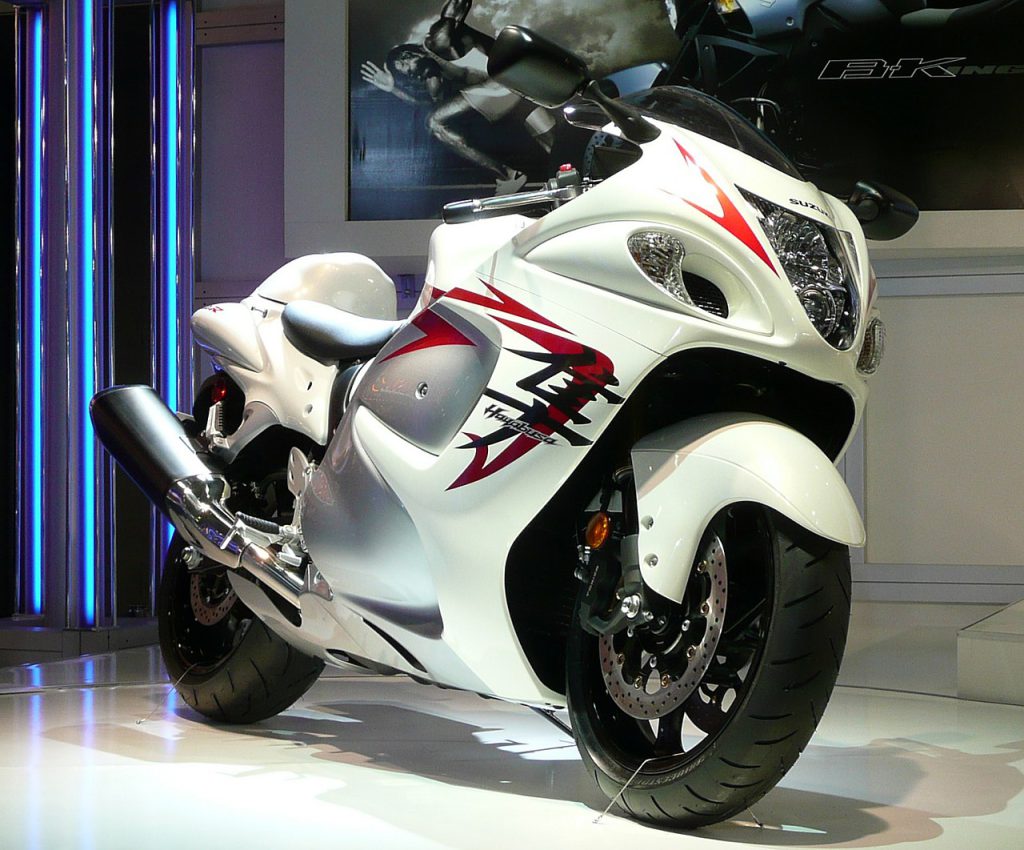
Wind-tunnel-developed aerodynamics helped achieve 194 mph and end the top-speed wars.
In 1999, the Suzuki Hayabusa arrived, shattering expectations with a production top speed of 194 mph. Its organic, peregrine falcon-inspired shape resulted from extensive wind-tunnel development, sculpting aerodynamics for outright velocity. Powering this land missile was a 1,299 cc inline-four engine, churning out approximately 175 hp in early versions.
This bike didn’t just push limits; it reset them. The industry soon agreed to limit top speeds to 186 mph, solidifying its legendary reign. Experiencing its raw power output demands respect; electronic systems do not manage its ferocity. Riders feel every bit of its power directly. Modern, digitally refined bikes often cost over $18,000 and rely on electronic management. These first-generation models, now trading for between $5,000 and $9,000, represent a potent piece of history that ended the top-speed wars.
3. Honda RC51 / RVT1000R (2000–2006)
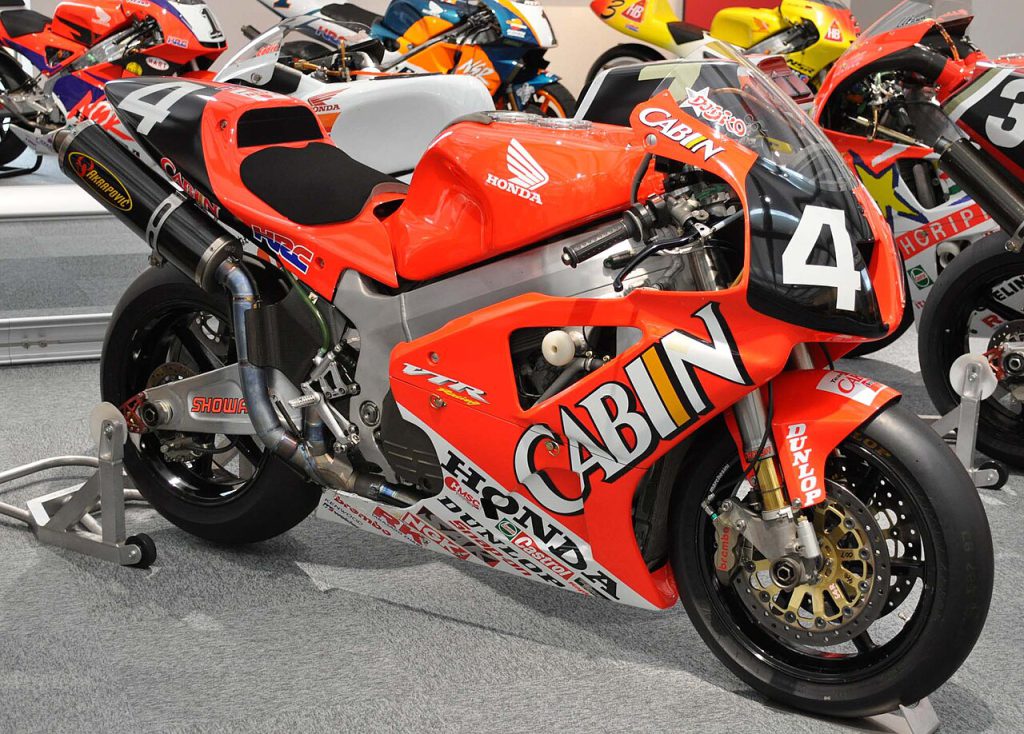
Homologation V-twin that claimed AMA and World Superbike championships, proving twins could dominate fours.
The Honda RC51 claimed the AMA Superbike championship in 2000, unequivocally proving that a V-twin engine could dominate four-cylinder competition. This machine, powered by a 999 cc 90-degree V-twin engine that cranked out 136 hp, was not just another contender; it was a defiant statement on two wheels. With PGM-FI fuel injection, it was engineered for pure performance, silencing critics when it also secured a World Superbike championship.
Its distinctive dual side-mounted radiators were a masterclass in engineering, a solution born from the track that maximized aerodynamics by splitting the cooling system. This innovative design, which Honda brought directly to public production models, was revolutionary. Owning one of these machines today, with market prices typically ranging from $5,500 to $9,000, is owning a piece of racing history when the rules were rewritten. The RC51 didn’t just race; it changed the game.
2. Yamaha YZF-R6 (2006–2007)
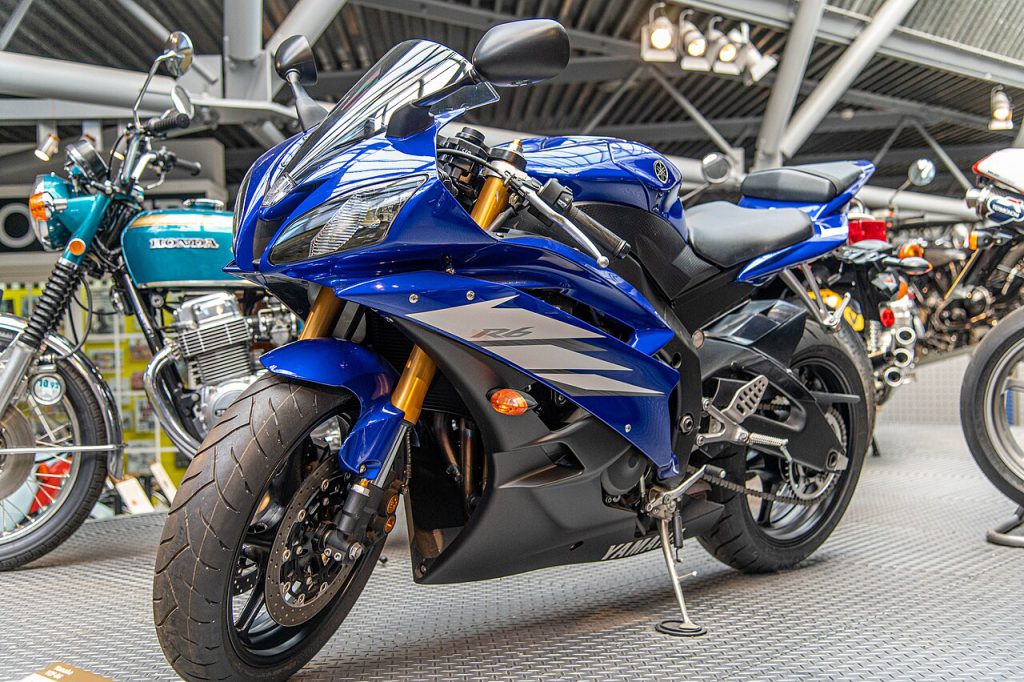
A 17,500 rpm redline made this the most extreme road-legal 600cc supersport of its era.
A redline of 17,500 rpm redefined what a 600 cc supersport could achieve in 2006. This marked the highest redline for any production 600. Its 599 cc inline-four engine generated approximately 120 hp, a feat of meticulous engineering. Yamaha used titanium intake valves and a crankshaft with minimal rotational inertia, allowing the engine to spin up with ferocious speed.
Riders felt the engine’s fury not just in their ears, but in their bones—a street-legal race bike unleashed. The sound at peak RPM was a visceral assault. This became one of the most extreme road-legal 600 cc supersports of its era, now trading for $3,500 to $5,500. It delivered an unfiltered experience few rivals could match, demanding commitment and rewarding precision.
1. Kawasaki Ninja ZX-12R (2000–2006)
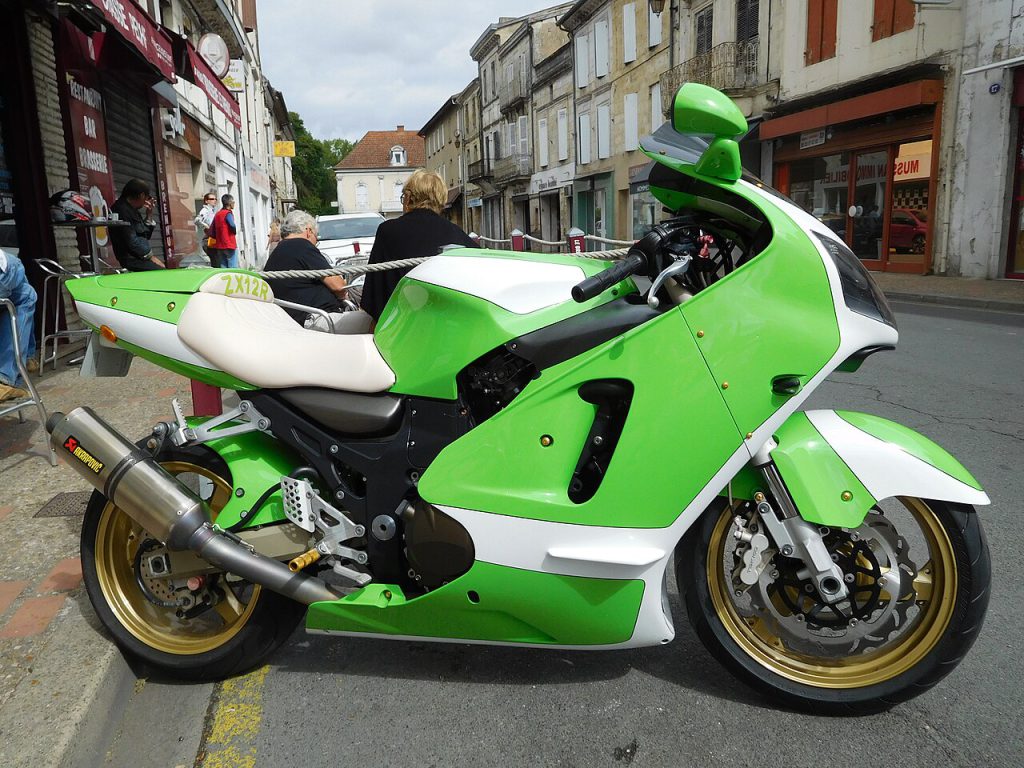
Revolutionary aluminum monocoque chassis where the body itself forms the primary structure.
What happens when a motorcycle manufacturer swaps a traditional frame for aircraft-style construction? The Kawasaki Ninja ZX-12R, introduced in 2000, answered definitively. Its 1,199 cc inline-four engine delivered a claimed 178 hp, propelling the bike to a top speed near 186 mph. The revolutionary aluminum monocoque chassis, where the body itself formed the primary structure, offered superior stiffness and shed significant weight.
This engineering choice also lowered the bike’s polar moment, translating to effortless handling and rock-solid stability at speed. Anyone who has white-knuckled a high-speed pass understands the value of such a steady platform. Built as Kawasaki’s direct challenge to the Suzuki Hayabusa, it prioritized both agility and raw velocity. A piece of this engineering marvel can now be acquired for between $4,000 and $7,000. The ZX-12R proved that fundamental chassis innovation dramatically elevates performance and rider confidence.