Whenever you drove past a Flock camera in Tempe, your plate was being read and logged — time-stamped, location-tagged, fed into a cloud database accessible to law enforcement across the state. As of August 26, 2026, those cameras are dark. Tempe shut off its entire Flock Safety license plate reader network, ended the contract, and made a pointed decision: no replacement vendor. The cameras worked. Tempe walked away anyway.
How It Worked – and Why That Became the Problem
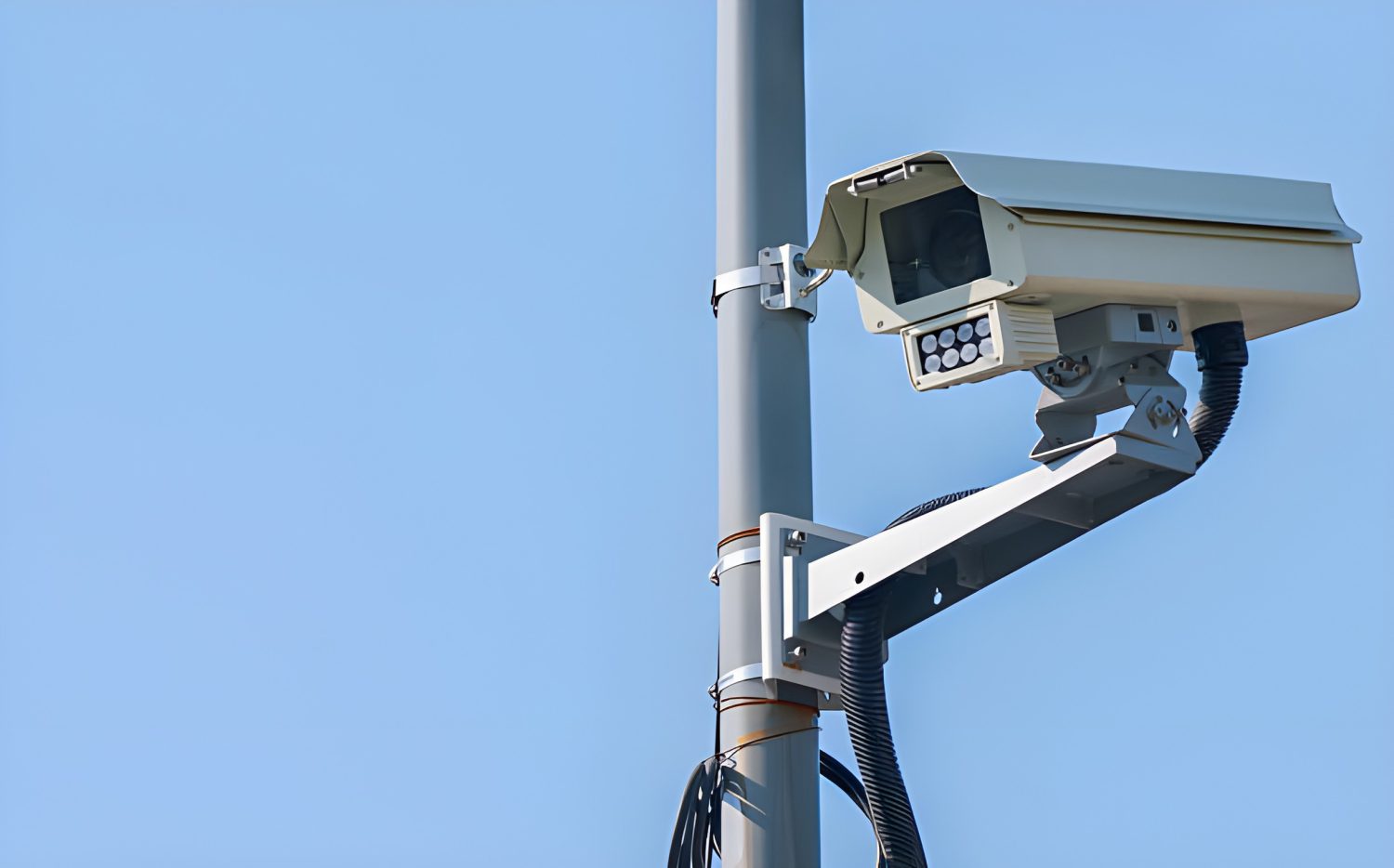
Flock’s AI cameras didn’t just help catch criminals — they quietly logged where your car went, without a warrant, every time you passed one.
Flock’s system uses AI-powered cameras to scan passing vehicles, log plates, and push time-and-location data into a centralized cloud database. Tempe ran roughly 10 of these cameras citywide. Flock’s standard retention window is 30 days — marketed as a privacy safeguard, but critics argue that’s long enough to build a detailed picture of anyone’s routine movements, akin to secretly tracking users across time and place. Think of it like your Spotify listening history feeding the algorithm: useful in isolation, unsettling at scale.
Here’s what the city’s announcement confirmed:
- All Flock cameras are off and the company will remove its hardware from Tempe
- Previously collected data auto-deletes after 30 days unless tied to an active investigation
- Monthly audits by Tempe Police found zero officer misuse locally
- Tempe is not seeking a replacement ALPR vendor
- Documented misuse elsewhere — including a Surprise, AZ officer placed on leave amid a Flock misuse investigation — factored heavily into the final call
Tempe’s exit wasn’t impulsive. The city first ended automatic cross-agency data sharing on August 11, restricted access to Arizona agencies only, then built a public transparency portal showing how the system was used. That portal was arguably the civic-tech equivalent of slapping nutritional labels on fast food — a good-faith gesture that didn’t change the underlying product. Police Chief Ken McCoy framed the data-sharing cutoff as being about “safeguarding Tempe’s data and maintaining appropriate control over access.” Two weeks later, the cameras went dark entirely.
Arizona’s Flock Problem Is Bigger Than Tempe
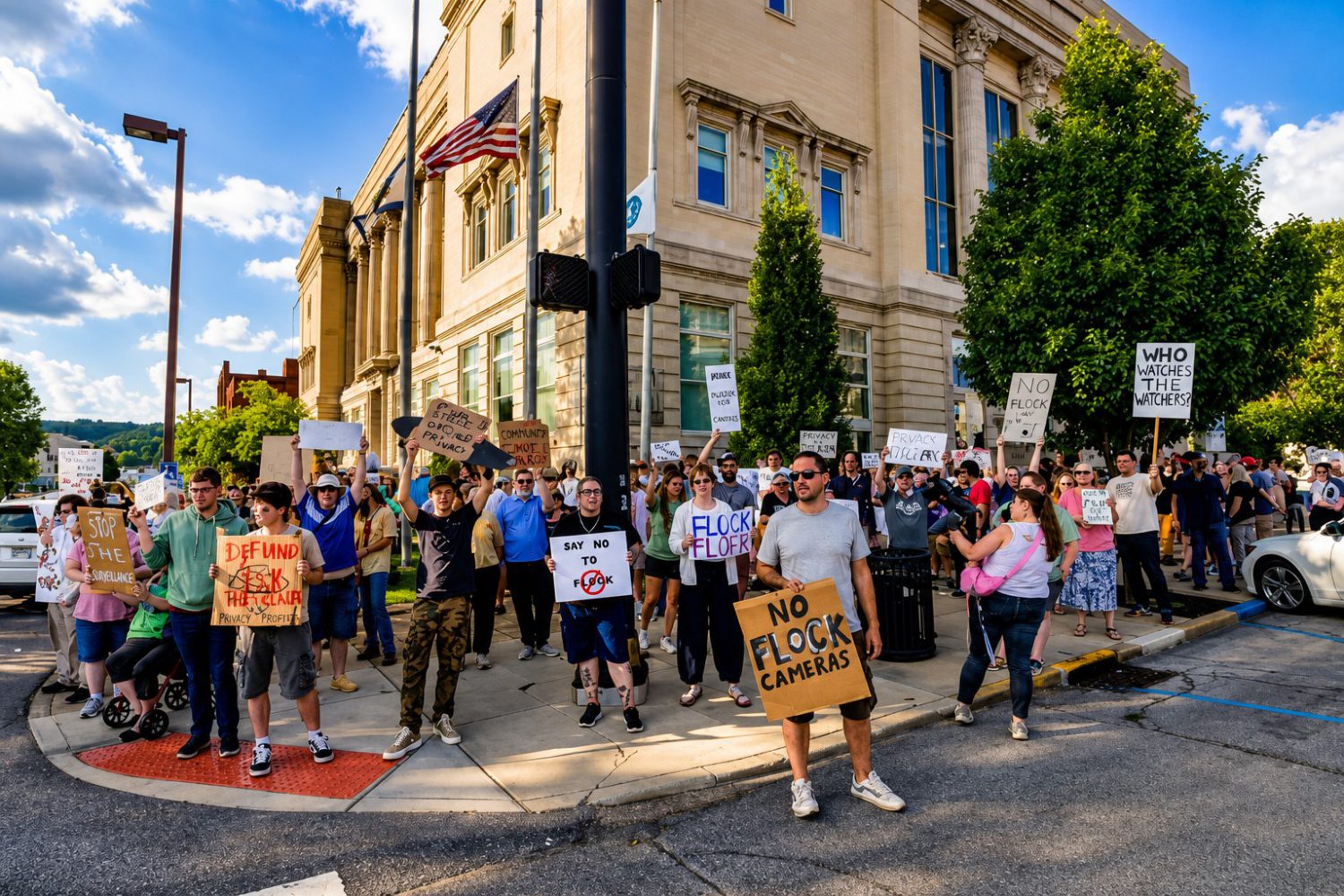
Chandler, Sierra Vista, South Tucson, Flagstaff, Sedona, Cave Creek, and Surprise have all canceled, declined to renew, or restricted their Flock contracts — and the list keeps growing.
Tempe isn’t an outlier. Across Arizona, cities have canceled, declined to renew, or tightened restrictions on Flock contracts, including Cave Creek canceling its contract. National coverage describes a “growing exodus,” with prominent political voices — including Ron DeSantis — warning that AI surveillance is “out of control” without stricter regulatory frameworks. Supporters of ALPR technology counter that the systems genuinely aid in solving crimes and recovering stolen property, and that misuse risks can be managed through strong audits and clear access policies. Both arguments have merit. The question cities keep answering differently is whether the trade-off is worth it.
Safety benefits alone no longer close the deal for a growing number of municipalities. Cities increasingly want privacy-by-design built into these systems from the start — not patched on after the backlash arrives. If ALPR vendors can’t deliver that architecture upfront, more contracts will follow Tempe’s out the door.