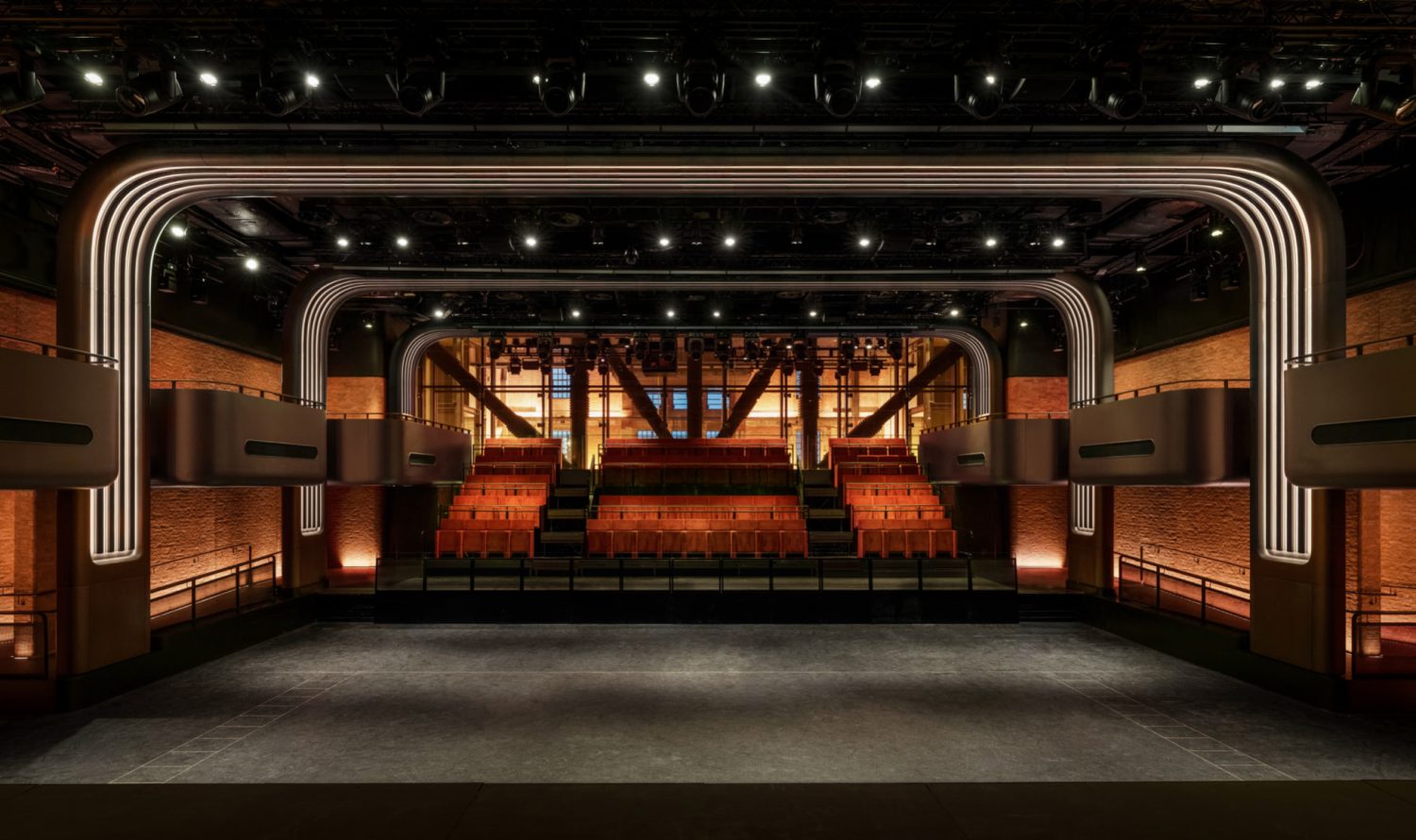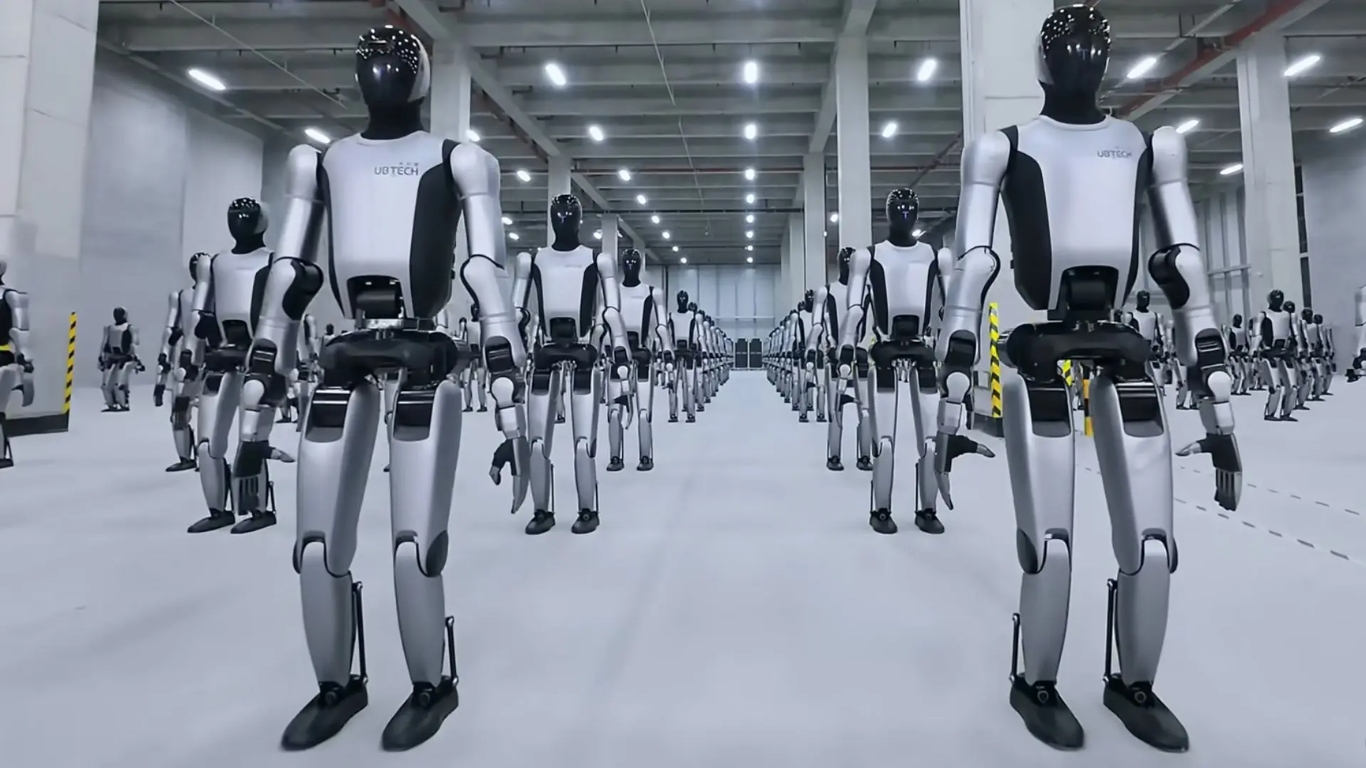
You can imagine the sight. 2,056 humanoid machines filling an Olympic venue. That’s what Beijing’s National Speed Skating Oval — the “Ice Ribbon” — holds this week for the second World Humanoid Robot Games (August 22–26). Teams from 16 countries, including the US, Germany, Japan, and Brazil’s Robot World Cup champions, are competing across 51 events and 1,301 matches. Last year’s inaugural edition managed 280 teams, roughly 500 robots, and 26 events. The growth is hard to ignore — but the rule changes are where things get genuinely interesting.
New for 2026:
- Long jump, weightlifting, tug-of-war, and table tennis added to stress-test strength and precision
- Freestyle combat across three weight classes: 40 kg, 58 kg, and 80 kg
- Robot soccer now requires two teammates to touch the ball before a goal counts
- Dance competition entries jumped from 29 to 108 teams
- Scenario events expanded from 6 settings to 9, including emergency rescue, logistics, and vehicle charging
The Benchmark Nobody Admits They Needed
Tighter time limits and strict autonomy requirements reveal exactly what these Games are designed to measure.
Check the time limits and the picture sharpens quickly. While the 100-meter window tightens to just one minute — down from three — the 1,500-meter drops from 40 minutes to 15, with the 400-meter cut from 15 minutes to 5. Nearly all track events must be completed autonomously, with no remote-control assists permitted except in the obstacle races. In scenario events, full autonomy earns a 1.0 score multiplier. Remote-controlled completion gets capped at 0.5 — essentially half credit for letting a human bail the machine out.
The new Dexterous Hand Challenge — tool assembly, powder weighing, nail driving, bottle opening, cable connection — reads like a robot USMLE practical exam. The Integrated Five Challenge raises the stakes further, combining those dexterous tasks with heavy load lifting and a 100-meter run. These aren’t exhibition stunts. They are, according to organizers, a deliberate push to move humanoid robots from demonstration toward product-grade performance in real-world environments.
What Comes After the Closing Ceremony
The Games overlap with a major industry conference, and that timing signals something larger than a one-week competition.
The Beijing Municipal Government and China Media Group co-host the event — a pairing that combines municipal policy backing with state broadcast reach on a national scale. The World Robot Conference runs August 19–23 at Beijing’s E-Town, overlapping with the Games by design. If robots consistently clear these new thresholds across the week, pilot deployments in logistics, elder care, and manufacturing become considerably harder to keep labeling as “five years away” — a challenge with real implications for workplace safety.