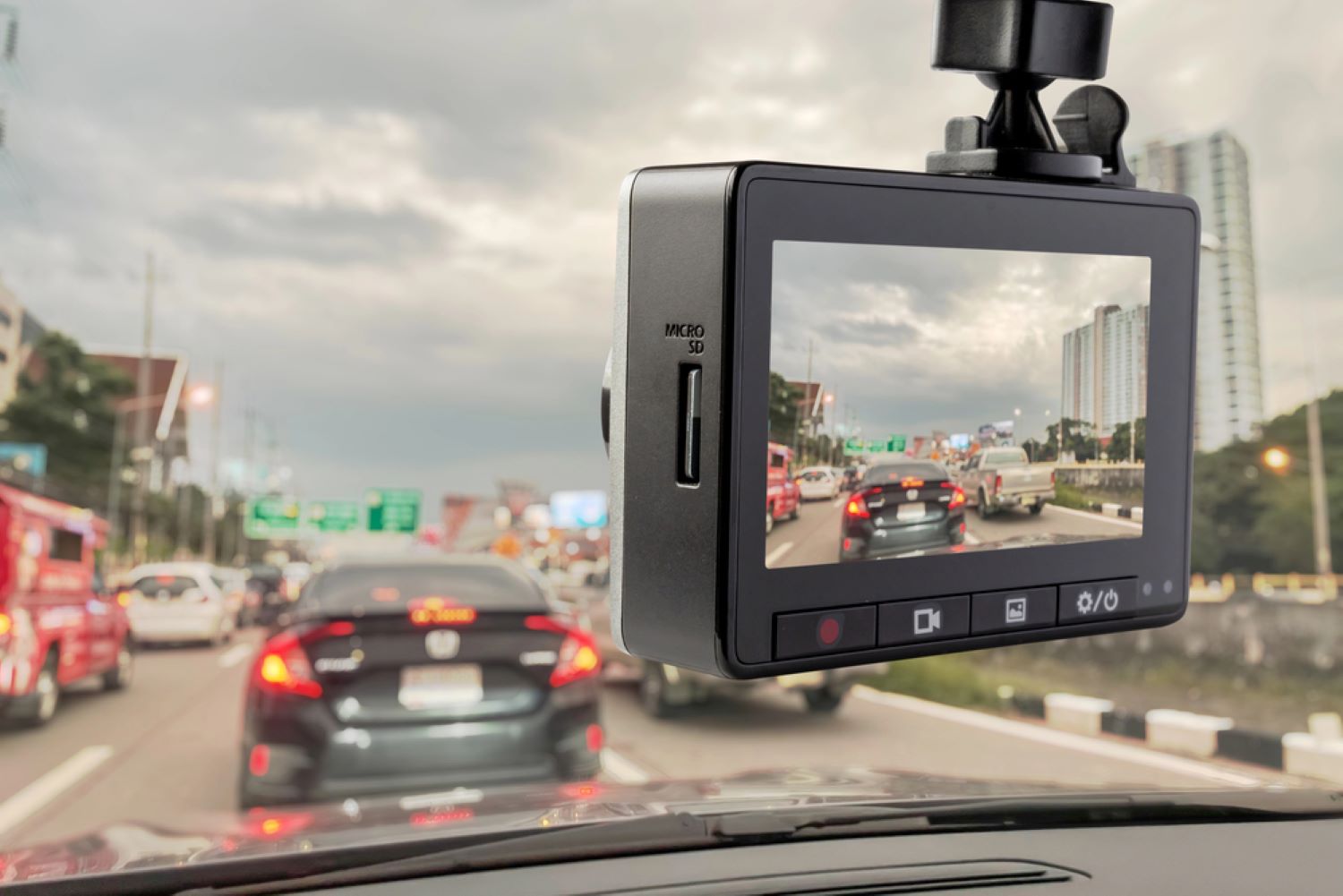
Surveillance company Flock Safety proposed using surveillance app-style infrastructure — Nexar dashcams mounted in 350,000 rideshare and delivery vehicles — to extend its automated license-plate reader network, according to reporting by 404 Media. The pitch was prepared for the Georgia Office of the Attorney General last August and was never executed. But the ambition it reveals is worth sitting with. The plan would have converted consumer hardware into law-enforcement surveillance infrastructure — reportedly without telling a single driver or passenger.
From Fixed Cameras to Moving Ones
Flock’s existing network scans plates from roadside cameras; the Nexar pitch would have pushed that capability into hundreds of thousands of vehicles already on the road.
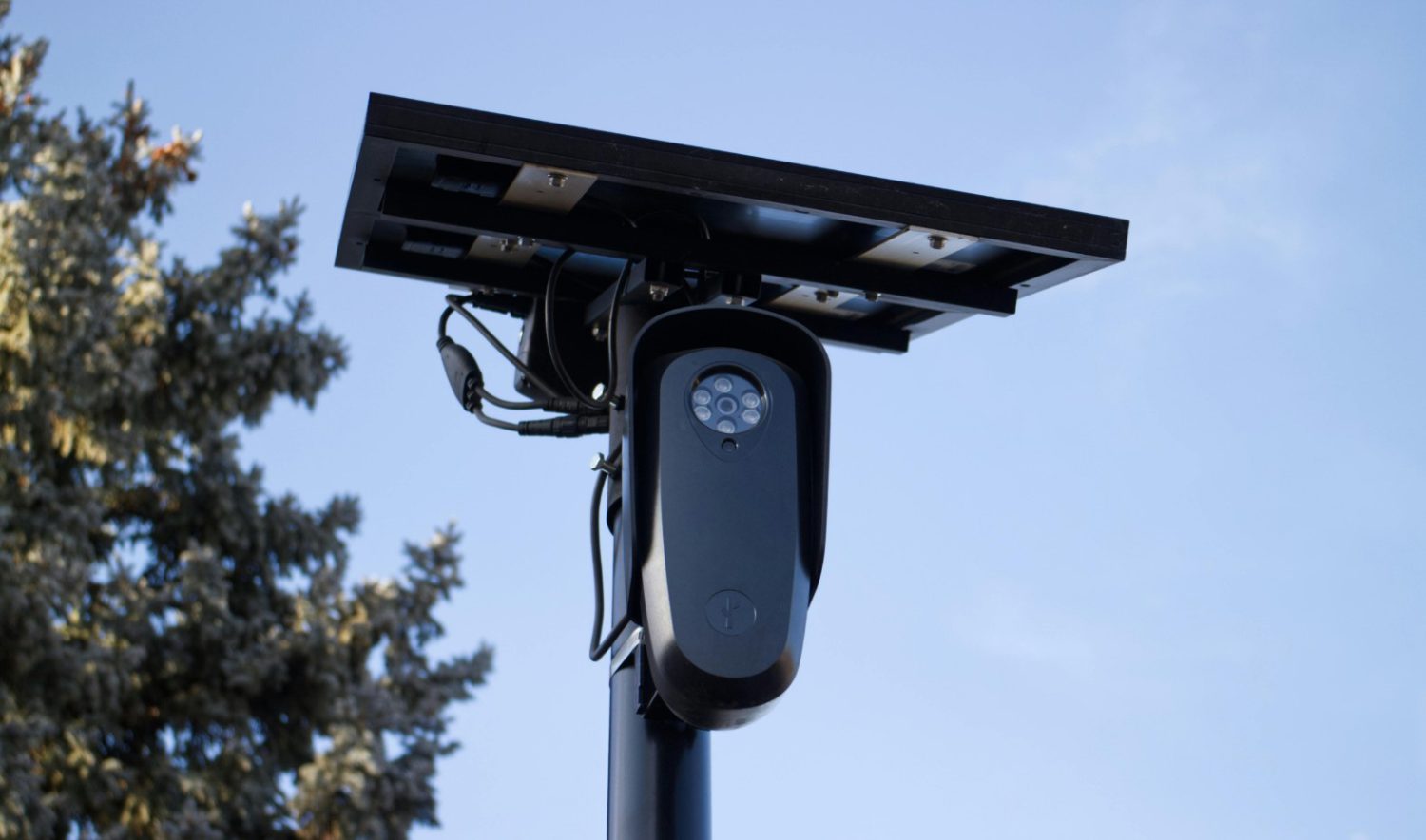
Flock’s current business runs on stationary ALPR cameras bolted to poles and buildings, scanning passing vehicles and feeding plate data to police departments. Effective, but geographically limited. Nexar’s dashcams already capture Full HD video clear enough for license-plate reads, and the company markets them directly to rideshare drivers and commuters. Combine the two, and you get a surveillance net that doesn’t wait for cars to drive past — it rides along, all day, everywhere those vehicles go.
The presentation reportedly cited “350k Uber/Lyft and other delivery service devices” as potential data sources. Hundreds of commercial and HOA accounts in Georgia were already part of Flock’s existing network, according to the same presentation. Neither Uber nor Lyft responded to comment requests from 404 Media. The drivers themselves were reportedly uninformed as well.
The Pitch Is the Point
Flock says the Nexar partnership never launched, but the proposal itself reveals how surveillance infrastructure quietly expands through consumer hardware.
Non-execution doesn’t erase intent. Mobile ALPR isn’t new — Axon mounts readers on police cruisers, and Vigilant Solutions harvests plate data through repo-fleet vehicles. Flock’s pitch would have pushed that logic into your neighbor’s Corolla doing DoorDash runs. Think of it like a landlord quietly wiring cameras to every tenant’s door without updating the lease. The Flock presentation described a network fed by everyday gig workers, per 404 Media.
The consent gap here is significant. Whether drivers or platforms knew their vehicles were being considered for this role remains unclear. This also isn’t Flock’s first time testing boundaries — the company previously explored building a people-lookup tool and retreated only after public criticism, according to prior reporting. A pattern is emerging: Flock pushes a boundary, faces criticism, and retreats — but the blueprint remains.
Your Dashcam, Their Data
Gig workers and rideshare passengers alike should reconsider what that windshield-mounted camera actually represents — and who might benefit from its footage.
If you’re driving for a rideshare platform or sitting in the backseat, you probably assumed the dashcam was there for accident liability. That assumption needs stress-testing. Surveillance vendors will keep hunting for ways to convert ordinary devices and commercial driving time into networked data streams — much like apps caught secretly tracking users without their knowledge. The hardware is already mounted on millions of windshields. The question is who gets to decide what it does — and whether anyone bothers to ask the driver first. For those rethinking their own security hardware, exploring trusted home security systems may offer a more transparent starting point.