Absorption RV refrigerators lose performance sharply once ambient temperatures exceed 85°F (29°C). Keeping a mobile sanctuary cool requires more than cranking the AC; it demands strategy. This list delivers essential maintenance tweaks, clever DIY fixes, and smart operational adjustments to transform a rolling sweatbox into a comfortable oasis.
1. RV Rooftop Air Conditioner (Ducted System & Plenum)
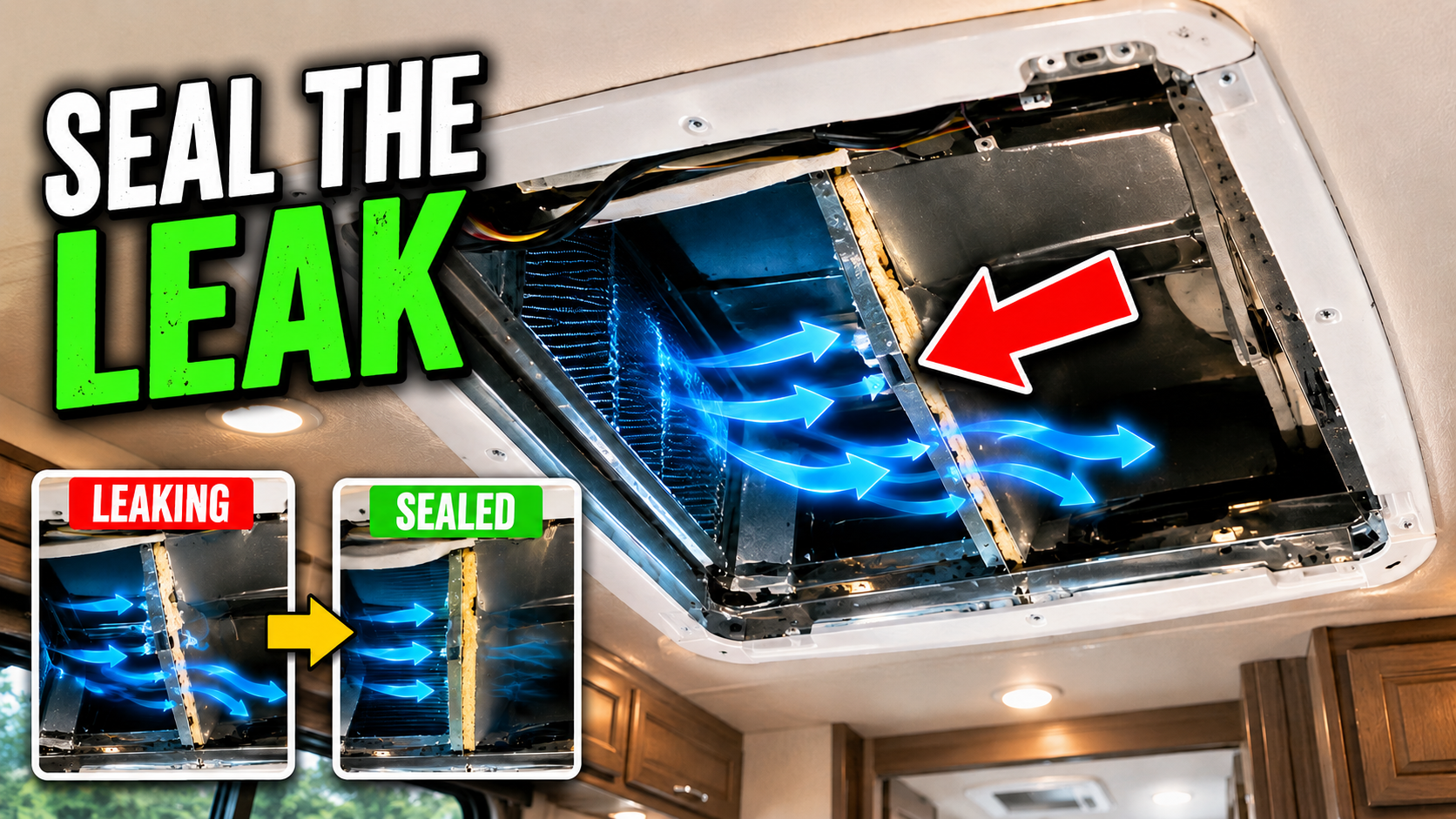
Improper plenum sealing causes efficiency losses and potential coil freeze-ups.
Rooftop air conditioners depend on clean coils and proper airflow. Blocked fins reduce cooling capacity significantly. The plenum—the air chamber connecting the unit to ducts—requires tight sealing. When cold air leaks back into the return side, “short-cycling” occurs. This inefficiency resembles leaving a refrigerator door ajar.
The internal dividing wall inside the plenum must remain upright and sealed. Otherwise, cold air cools the roof space instead of the living area. Annual coil and filter cleaning prevents this efficiency bleed. Simple maintenance extends system life and prevents sticky 90°F summer nights.
2. RV AC Ducting and Ceiling Vents
Construction debris and poor duct design create airflow problems that reduce cooling effectiveness.
Construction debris, foam, or wood often obstructs RV AC ducts, creating air turbulence. Manufacturers sometimes install uniform duct runs across various RV lengths, creating “dead” duct space beyond the last vent. Cold air accumulates there instead of reaching the living space. Vents furthest from the main unit show weaker airflow because of this design flaw.
For most RVs, shortening ducting by creating an internal wall in dead space using foam insulation redirects cold air where it belongs. Grand Design RVs use a unique “figure eight” continuous loop system that demands specific handling; modification risks disrupting this design. Understanding specific duct layouts enhances overall cooling performance.
3. Aluminum Foil HVAC Tape
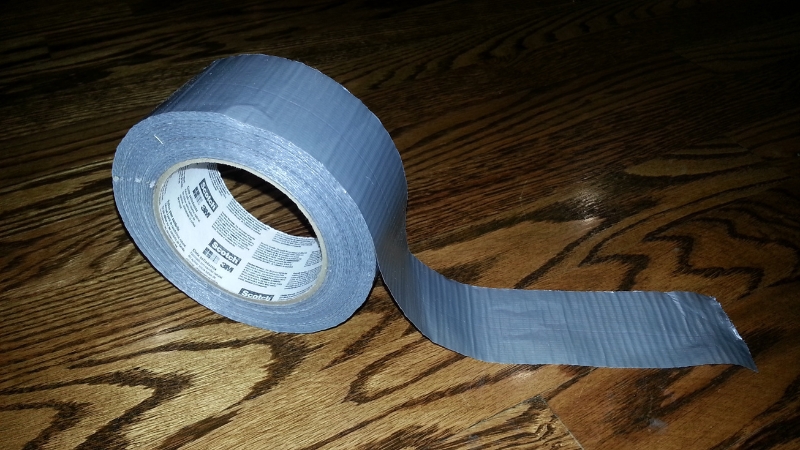
Heat-resistant foil tape seals AC plenums and ductwork far better than standard cloth tape.
HVAC professionals use aluminum foil tape for superior sealing power. This pressure-sensitive adhesive tape, backed by durable aluminum, offers heat-resistant and non-permeable properties crucial for ductwork. Unlike common “duct tape,” foil tape is rated specifically for metal ducts, securing joints, seams, and small gaps in AC plenums and roof-top assemblies.
Proper application ensures conditioned air stays put, boosting efficiency. Persistent drafts undermine cooling efforts. Sealing leaks preserves system integrity and prevents short-cycling that can freeze coils. This tape maintains designed airflow paths for both heating and cooling systems.
4. Microwaveable Plastic Bowl Used as an AC Vent Airflow Scoop
Simple deflectors redirect ceiling air downward into occupied spaces.
Simple vent deflectors redirect airflow from ceiling vents. A lightweight plastic bowl, sliced in half, can be positioned over a vent opening to push conditioned air downwards. This improvised scoop physically redirects air when ceiling vents cool the ceiling tiles instead of the living area.
The makeshift scoop should block no more than half the duct height to maintain airflow to other vents. This prevents excessive static pressure while directing air where needed. For travelers keeping specific seating areas comfortable, this hack offers targeted cooling at minimal cost.
5. Absorption RV Refrigerator (Gas/Electric)
These dual-fuel units rely on natural convection and lose performance sharply in high heat.
Absorption RV refrigerators operate on propane or 120V AC electric, using a heated ammonia-water solution instead of a compressor. Performance drops sharply once ambient temperatures exceed roughly 85°F (29°C). Natural convection across rear condenser fins and boiler components becomes insufficient in extreme heat.
Lower and upper exterior vents need clear airflow to promote chimney-like circulation. Without proper ventilation, trapped hot air cripples performance. Being off-level also reduces efficiency, especially with older units. Installing small 12V computer fans significantly improves cooling by boosting airflow. These fans can be mounted near upper vents to pull hot air out or near lower vents to push air in.
6. Small 12V/USB Cooling Fans for RV Refrigerator Ventilation

Compact fans boost airflow behind absorption fridges, improving cooling in hot weather.
Compact 12V DC fans, similar to computer case fans, are commonly installed behind RV refrigerators to increase airflow. These fans help move hot air off condenser coils, improving cooling performance when ambient temperatures exceed 85°F. Installation typically involves mounting the fan near the upper vent pulling air out, using brackets or zip ties.
Separate battery-powered fans inside the fridge compartment improve air circulation and reduce temperature stratification. These fans speed recovery after door openings and minimize warm spots. Wiring into the RV’s 12V system allows thermostat or manual switch control.
7. Countertop/Home Ice Maker Used for RV Cooling Support
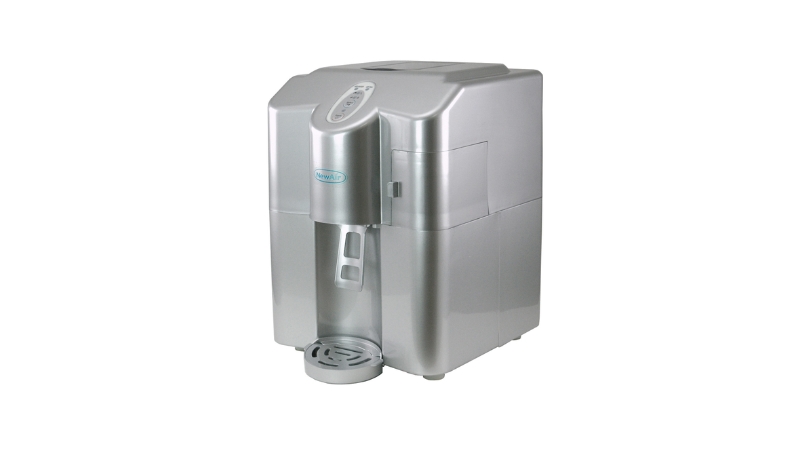
Portable ice makers provide thermal mass for fridge support but add heat to the interior.
Portable countertop ice makers continuously produce ice, often 20–30 pounds per day. Extra ice serves both for cold drinks and as thermal mass; bags or containers of ice placed in an absorption fridge help stabilize temperatures. Ice acts like a passive cooler, augmenting the main fridge’s power.
Ice makers add heat to the RV interior while running because the refrigeration process releases heat to surrounding air. They should be considered in overall heat-load management. Many RVers use these devices when hooked up to shore power, since they can draw several hundred watts during ice-making cycles.
8. Fresh Water Tank and RV Water Pump
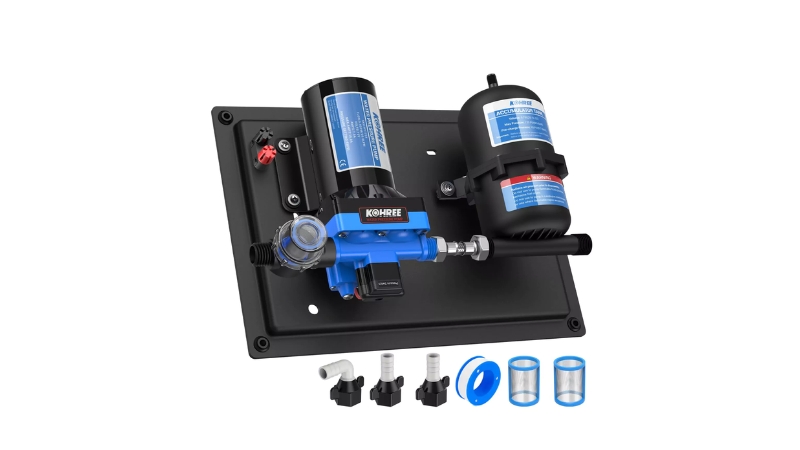
Tank water stays cooler than sun-heated hose water and prevents system stagnation.
Water sitting in a sun-heated black hose can reach uncomfortable temperatures. RV fresh water tanks—often 30 to 80+ gallons—and 12V demand pumps pressurize the plumbing system when not connected to city water. Large volumes of water stored inside the RV tend to stay closer to interior temperature, making fresh-tank water cooler and more stable.
Regularly using the pump and tank helps prevent stagnation and biofilm or algae growth, which can occur when the pump sits unused. Switching from city water to tank water for showers reduces the amount of hot water pre-heated by solar gain in exterior hoses.
9. Outdoor Cooking Appliances

Moving cooking outside eliminates interior heat and humidity from appliances.
Indoor cooking appliances—propane stove, oven, Instant Pot, air fryer, microwave—add both heat and humidity to the RV interior when used inside. This forces the AC to work overtime fighting a losing battle. Running these appliances indoors essentially wages war against the air conditioner.
Using a gas grill or camp stove outdoors, or moving countertop appliances outside under an awning, is standard advice for reducing indoor heat load. Cooking outside also limits combustion byproducts and moisture inside the RV, helping the AC maintain set temperatures more easily. Many RV campsites allow outdoor electric appliance use when plugged into the campsite pedestal.
10. RV Slide Toppers (Slide-Out Awnings)

Fabric awnings over slide-outs provide shade and reduce heat transfer into slide rooms.
Slide toppers are small fabric awnings mounted above slide-out rooms that automatically extend and retract with the slide. These awnings provide shade to the slide roof, reduce direct solar heating, and keep debris, leaves, and water off the slide so seals are protected when retracting.
Shading the slide roof creates an air gap and reduces heat transfer into the interior, which noticeably improves comfort in slide-out seating or bedroom areas during summer. Toppers also reduce rain noise on slide roofs and help prevent water pooling and potential leaks around slide seals.
11. Slide Seals (Rubber Wiper and Bulb Seals on RV Slide-Outs)
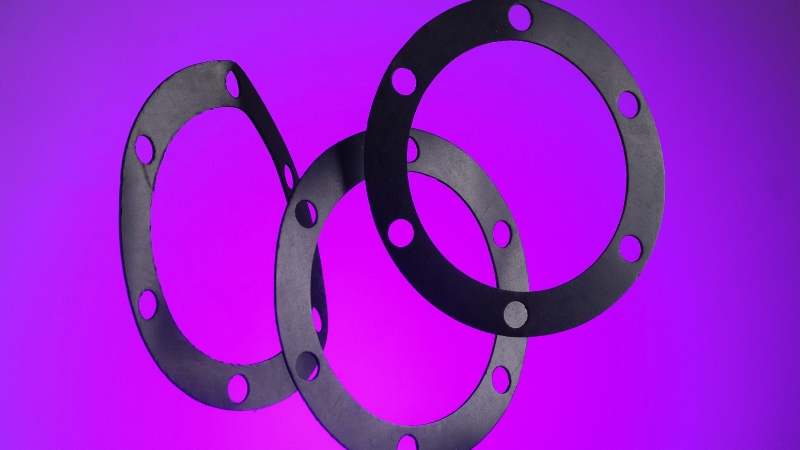
Damaged or misaligned seals allow hot air infiltration that undermines AC efficiency.
RV slide-outs use rubber wiper seals (flat flaps) and bulb seals (hollow rubber tubes) to keep water, dust, and air from leaking between the slide room and main body. Wiper seals flex inward when the slide is retracted and flip outward when extended, creating a barrier around the slide perimeter.
Damaged, kinked, or misaligned seals allow air infiltration, making it easier for hot outside air to enter the cooled interior. This reduces AC efficiency, especially in extreme heat. Regular visual inspection and maintenance—cleaning, conditioning rubber, and correcting misalignment—preserve insulation and weather protection.
12. Reflectix Reflective Insulation (Foil/Bubble Window Covers)
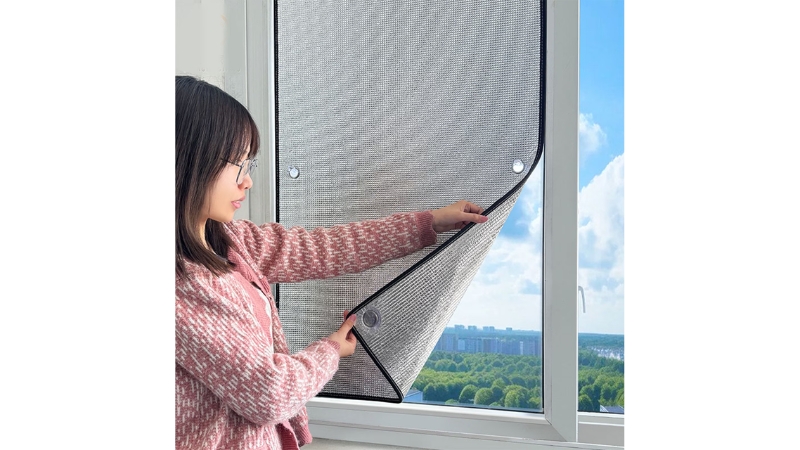
Reflective insulation reflects solar radiation before it enters the RV, sharply reducing heat gain.
Reflectix is a brand of reflective insulation made of polyethylene bubble core sandwiched between aluminum foil layers. When cut to window size and placed against glass, Reflectix reflects a large portion of solar radiation before it enters the RV, sharply reducing heat gain through windows.
This material is lightweight, easy to cut with scissors, and typically installed with Velcro, tape, magnets, or friction fit inside window frames. Reflective inserts are significantly more effective than standard shades alone, especially on sun-facing windows. Many RV cooling guides recommend these for extreme heat.
13. RV Window Shades/Blinds and Curtains

Closed shades and curtains block direct sunlight and create insulating air gaps.
Shades and blinds reduce solar gain by blocking direct sunlight and creating an insulating air gap between the window and the RV interior. RV manufacturers and suppliers recommend keeping shades and curtains closed during peak sun hours to prevent heat buildup, especially on west-facing windows.
Motorhomes often include wraparound windshield curtains that can be drawn across the front cab; closing these significantly reduces heat entering through large windshield glass. Additional interior curtains can partition off the cab area or other spaces experiencing high solar gain, reducing the cooled volume the AC must handle.
14. Skylight and Roof Vent Foam Inserts / Vent Pillows
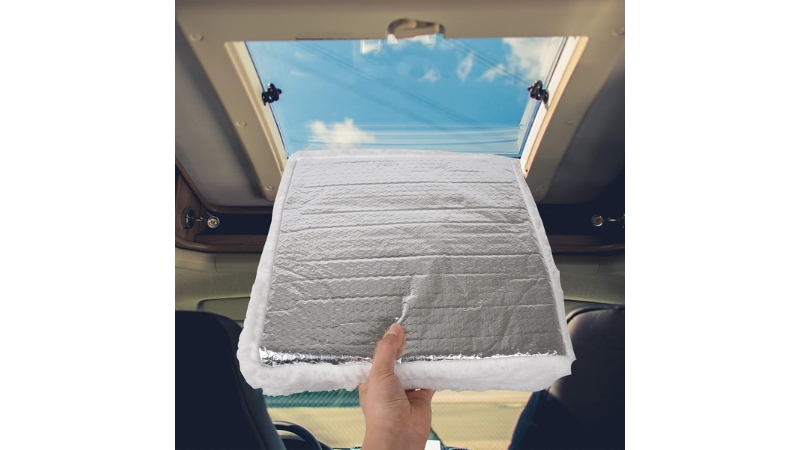
Dense foam blocks reduce heat transfer through thin plastic vent lids and skylight domes.
Vent pillows or foam inserts are dense foam blocks sized to fit into standard 14″ x 14″ RV roof vents and many skylight openings. They reduce heat transfer and UV ingress through thin plastic vent lids and skylight domes, which are common hot spots in RVs during summer.
Vent pillows also provide additional insulation in winter, improving thermal performance in both seasons, and can be easily removed when ventilation is desired. Many RV cooling guides recommend blocking skylights and unused vents with foam or insulated covers to enhance overall interior temperature control.
15. Portable Dehumidifier for RV Use
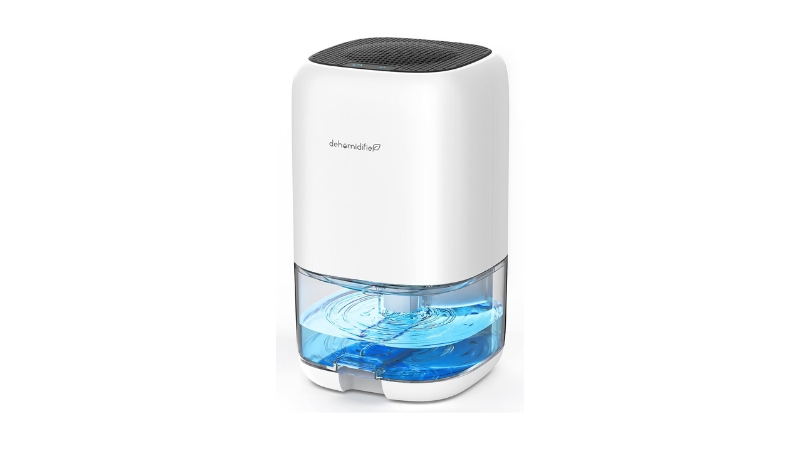
Dehumidifiers lower humidity but draw power and release heat as a byproduct.
Portable electric dehumidifiers remove moisture from indoor air by condensing water on cooled coils and collecting it in a reservoir, lowering relative humidity. Lower humidity makes a given air temperature feel more comfortable, reducing stickiness and perceived warmth.
Dehumidifiers draw a continuous electrical load and release heat as a byproduct of the refrigeration cycle, which can increase the work the AC must do in already hot environments. They are most beneficial in humid climates or in rigs with condensation and dampness problems; in very dry areas, their added heat and power use often outweigh comfort gains.
16. RV Black Tank (Waste Holding Tank) and Odor Control in Summer
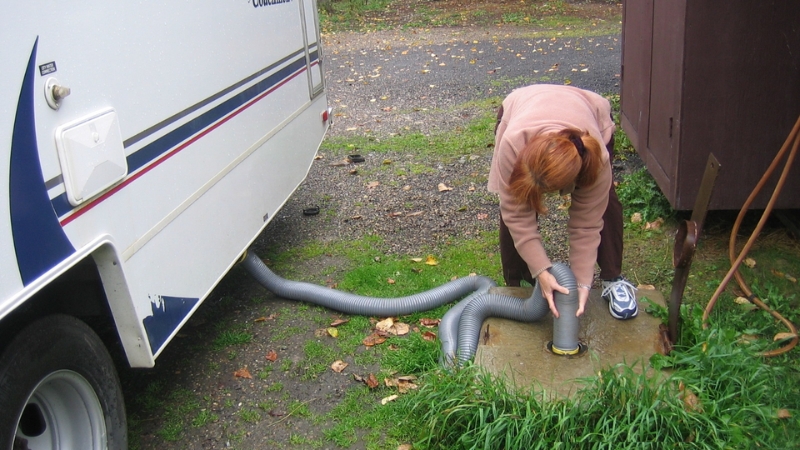
High temperatures increase bacterial activity and gas production in holding tanks.
RV black tanks hold toilet waste and are vented through roof-top vent pipes to the outside; high temperatures often intensify odors. Hot weather increases bacterial activity and gas production in holding tanks, making odor control more challenging if tanks are not regularly dumped and flushed.
Maintaining higher liquid levels in the black tank (adequate water with each flush) helps waste break down more evenly and reduces the chance of pyramid-shaped solids build-up, which can trap odors. Using proper tank treatments, regular dumping, and sufficient water volume minimize odors during summer camping.
17. RV Park Site Selection and Rig Orientation for Shade and Sun Exposure
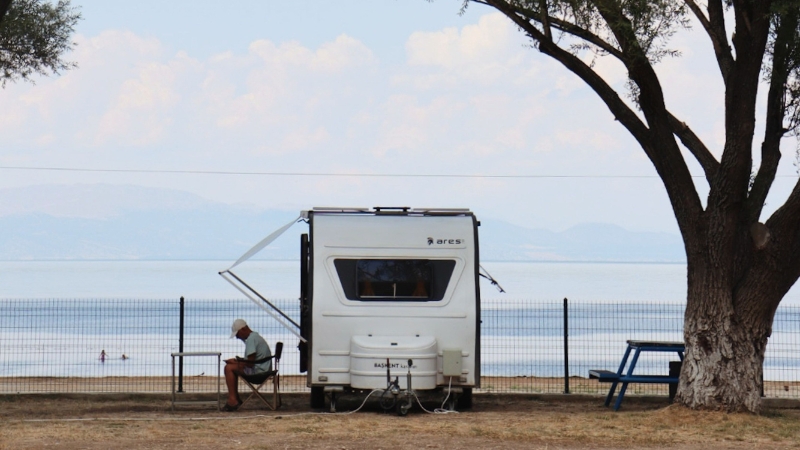
Parking in shade and orienting to minimize sun exposure are the most effective passive strategies.
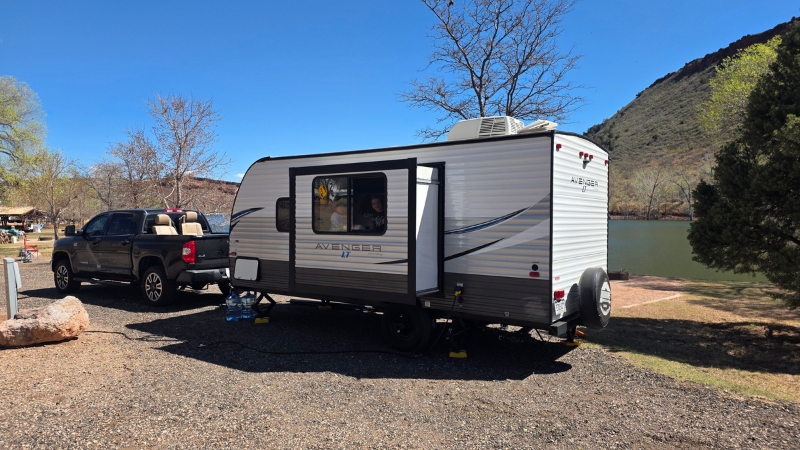
Parking in natural shade (trees, structures) is one of the most effective passive strategies to reduce RV interior temperatures and lessen AC workload. Cooling guides recommend positioning the RV so that the smallest possible surface area faces afternoon sun; for rigs with large front windshields (motorhomes), pointing the nose north minimizes direct sun on the glass.
For towables with large side windows, orienting east-west can reduce direct solar exposure on one side during peak hours, especially if the awning side can face north or be shaded. Many resources advise reviewing campground maps, sun path, and tree coverage when reserving sites, choosing shaded or west-protected spots whenever possible.
18. RV Awnings (Main Patio Awning and Window/Slide Awnings)
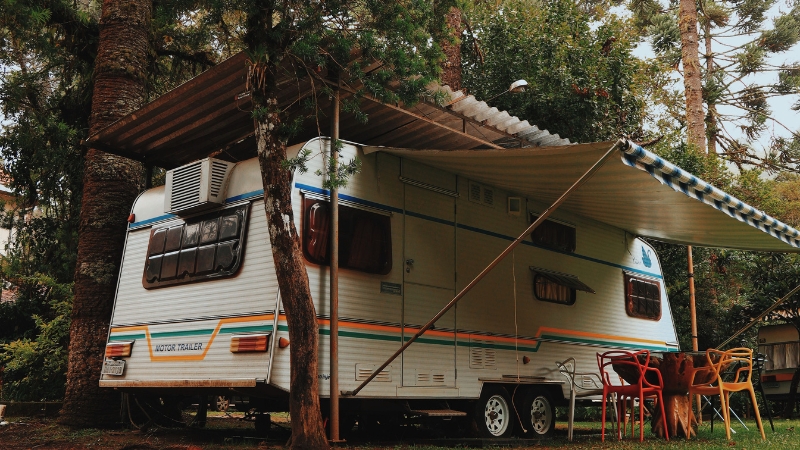
Retractable fabric awnings provide shade over windows and doors, reducing sidewall heating.
Retractable fabric awnings mounted on the RV exterior provide shade over windows, doors, and patio areas, reducing direct solar heating of the sidewall. Deploying awnings during hot weather creates a shaded air space next to the RV, which can lower wall and window temperatures and improve interior comfort.
Awnings are vulnerable to wind damage; manufacturers and safety guides recommend retracting them in strong winds or storms to avoid tearing fabric or bending arms. Window awnings and slide toppers operate on the same principle of shading and creating an air gap to reduce heat gain through thin walls and roofs.
19. Roof Vent Fans and Cross-Ventilation
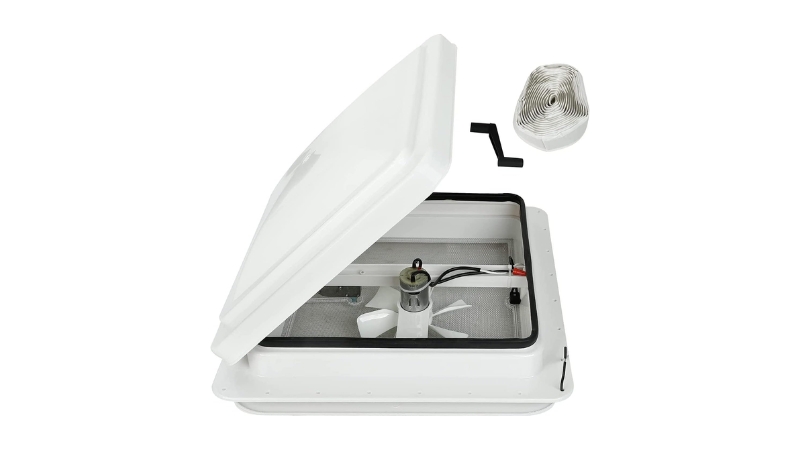
Powered roof vents exhaust hot air; cross-ventilation flushes the interior with cooler outdoor air.
Powered roof vent fans (e.g., MaxxAir, Fantastic Fan) can exhaust hot air that accumulates at the ceiling, quickly lowering interior temperature when AC is off. Opening windows and running roof fans to flush hot air is widely recommended upon arrival at a new campsite if the RV interior is hotter than outdoors.
Cross-ventilation is created by opening windows on opposite sides of the RV while running vent fans, which moves hot air out and draws cooler air in. In extreme heat without AC, night-time strategies involve opening all windows and vents when outside temperatures drop, then closing them in the morning to trap cool air. This “morning cool-trap” offers surprisingly effective relief without the grid drain of air conditioning.