Strip out the tariff windfall and Apple’s quarter looks a lot more ordinary. The company reported $109.4 billion in revenue and diluted EPS of $2.02 — numbers that prompted the usual victory lap. Buried in the details, though: an estimated $2.19 billion in tariff refunds added $0.11 per share and roughly 2 percentage points to gross margin, according to Yahoo Finance. The underlying business was already healthy going into this quarter. The refund just applied a generous filter over results that didn’t need one.
The Numbers Behind the Numbers
Apple’s 50.1% gross margin included a significant, non-recurring tariff benefit that brought reported results above consensus.
Before any money came back, Apple had already absorbed between $3.2 billion and $3.3 billion in tariff-related costs, according to CNBC. That context reframes the 50.1% gross margin headline considerably. Without the refund, that figure lands closer to 48% — right around where analysts had pegged it. MarketWatch characterized the benefit as a “one-time earnings boost,” noting the earnings beat looked considerably less impressive once the refund was stripped out. Revenue and services growth did the real heavy lifting. The refund made it sparkle.
The $2.19 billion refund doesn’t make Apple whole, either. Roughly $1 billion in additional refunds may still be outstanding, per MacObserver — meaning the company recovered most of its tariff costs, but not all of them.
What Comes Next – and What Doesn’t
Another refund-related margin boost is expected in September, but investors should treat it as a farewell tour, not a recurring act.
Apple reportedly expects another 1 percentage point gross margin benefit in the September quarter as remaining refunds arrive. That’s still non-recurring money. Pricing it into a long-term model is like budgeting around a tax refund — satisfying once, risky if you do it twice.
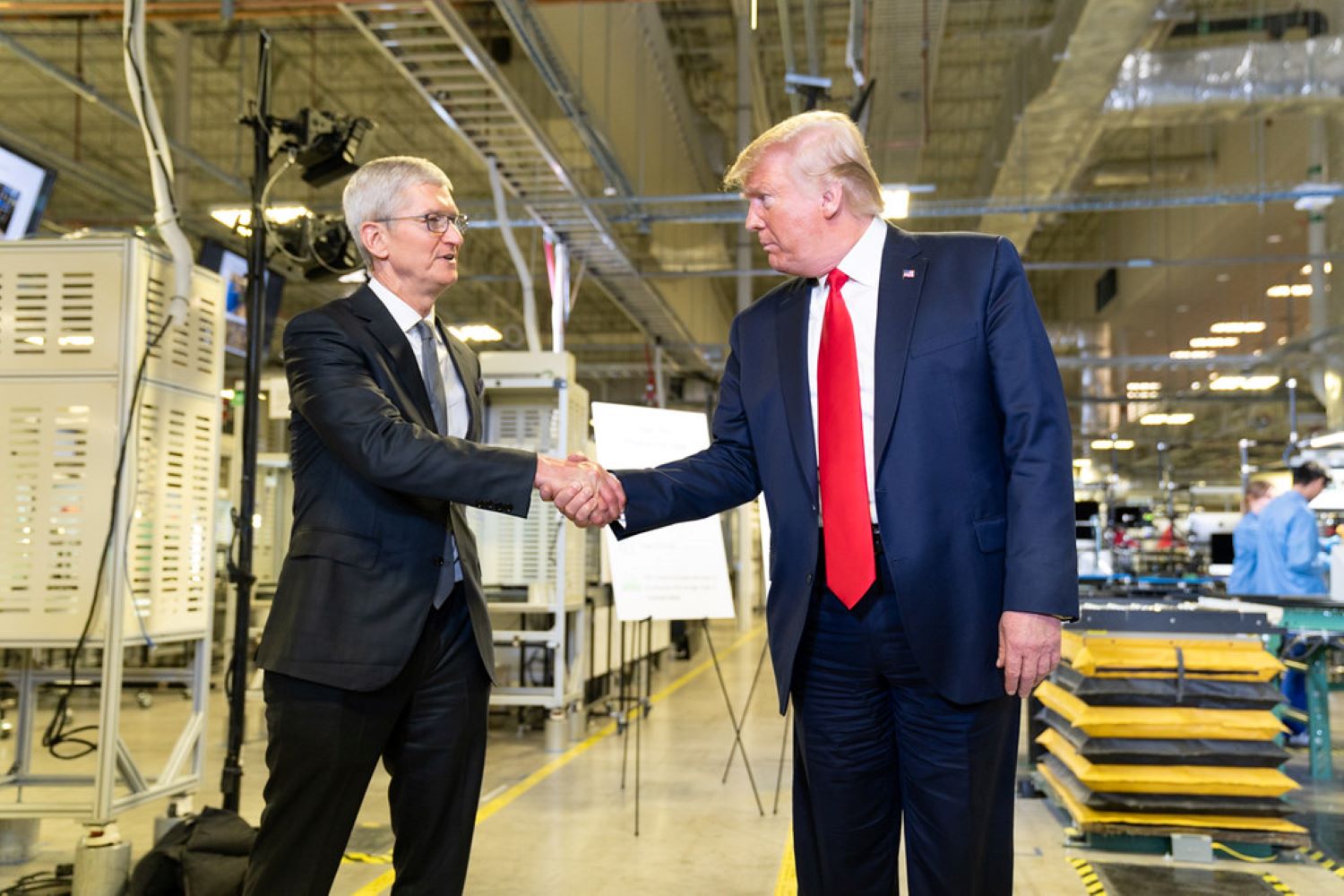
Tim Cook told analysts that Apple plans to reinvest refund proceeds in:
- U.S. manufacturing
- domestic suppliers
- infrastructure
That framing positions the windfall as forward-looking capital deployment, according to Yahoo Finance and 9to5Mac. The competing read is simpler: the refund temporarily flatters operating performance and makes year-over-year comparisons harder to read than a receipt with three different discount codes applied.
The fundamentals — product revenue, services growth — were already doing the work before any tariff check arrived. Once the refunds dry up, those fundamentals carry the full weight again. No filter, no windfall, just the business.