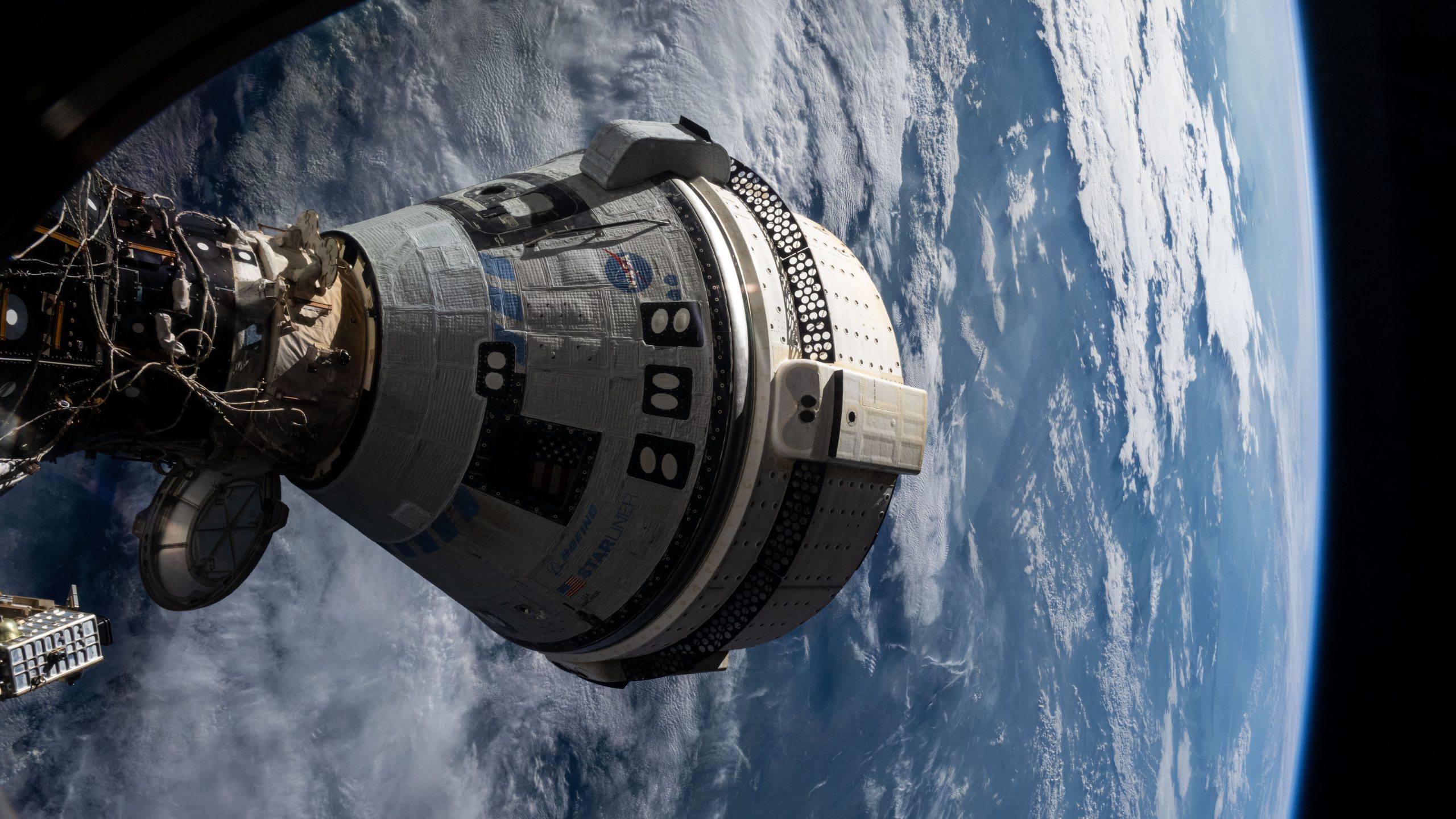
Most of the spaceflight world wrote off Boeing’s Starliner after last summer’s high-profile debacle — and the skepticism was well-earned. But the capsule that stranded two astronauts aboard the ISS for 93 days may be closer to flying again than the obituaries suggest. Boeing CEO Kelly Ortberg recently described the propulsion redesign as going “quite well,” adding the company is “feeling pretty good about that.” The real bottleneck, according to officials, isn’t broken hardware — it’s finding an open docking port at the space station. That distinction matters enormously, and not just for Boeing’s bruised reputation.
The Capsule That Stranded Its Own Astronauts
Starliner’s first crewed mission earned NASA’s most serious failure classification and cost Boeing billions.
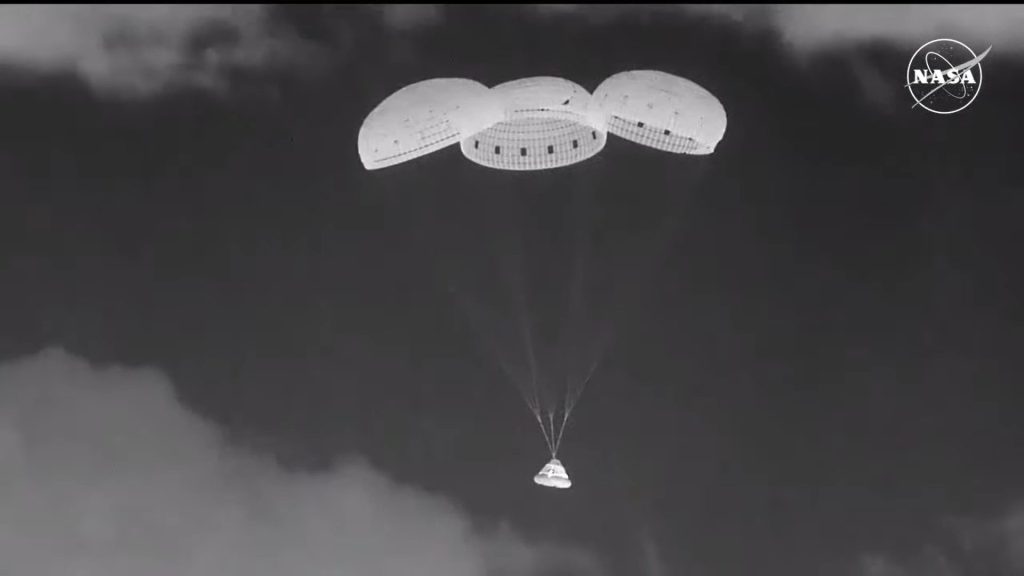
The Crew Flight Test launched June 5, 2024, carrying astronauts Butch Wilmore and Suni Williams for what was supposed to be an eight-to-fourteen-day shakedown cruise. Multiple reaction control thruster failures and helium leaks in the service module changed those plans dramatically. NASA deemed the capsule too risky for crew return. Starliner came home empty in September. Wilmore and Williams hitched a ride on SpaceX’s Crew Dragon months later.
NASA classified the mission as a Type A mishap — the agency’s most severe category — citing propulsion failures that caused loss of maneuverability and significant financial impact. Boeing has now absorbed roughly $2 billion in charges on a fixed-price contract, which has since been reduced from six committed crew flights to four, with two optional.
- Next mission (Starliner-1): uncrewed but crew-capable cargo test to validate propulsion fixes
- NASA’s official timeline: no earlier than early 2026
- Outstanding technical issues remain under active review per NASA’s OIG report, alongside ISS docking port scheduling
- Starliner’s service module is expendable — significant hardware costs burn up on every reentry
- Fixed-price contract now covers four committed crew rotation missions, down from six
The Fix Is In – Probably
Boeing’s optimism has arrived before actual results in the past, but a shift in what’s blocking the next launch is worth noting.
Ortberg’s confidence comes with an asterisk the size of a rocket fairing. Starliner’s track record includes a 2019 software failure that prevented its first uncrewed test from reaching the station, a successful 2022 do-over, and then the 2024 crewed mishap. Three attempts, two significant failures.
NASA’s own Inspector General report has raised continued questions about certification readiness, so framing the delay purely as a scheduling problem overstates where things stand. What has shifted is the direction of the conversation. NASA stated it “will continue to work closely with Boeing to fully understand and solve the technical challenges with the Starliner vehicle” — cautious language, but not a death sentence. The agency has not abandoned the program; it is steering it toward another test flight rather than the exit ramp.
The Dragon Problem Nobody Wants to Talk About
SpaceX reportedly plans to retire Crew Dragon around 2030, and the backup hasn’t finished its certification lap.
SpaceX has reportedly told partners that Crew Dragon exits the stage as Falcon 9 phases out for Starship. That creates a relay race where the lead runner is about to pull off the track and the replacement is still lacing up its shoes. NASA and private station operators need reliable crew transport into the early 2030s. Starship is not yet broadly accepted for routine human missions.
Future Starliner flights would require transitioning from the retiring Atlas V to ULA’s Vulcan rocket, which still needs human-rating — adding both cost and schedule risk. Starliner’s expendable service module already makes it more expensive per flight than Crew Dragon’s reusable design. But when the alternative may be putting crews on Starship before the spaceflight community is fully comfortable with that, “more expensive and certified” starts looking like a reasonable trade.
Starliner doesn’t need to be elegant. It needs to be operational and certified before Dragon leaves the stage. A successful cargo test wouldn’t prove Starliner is fixed. It would prove something arguably more important: that it’s fixable.