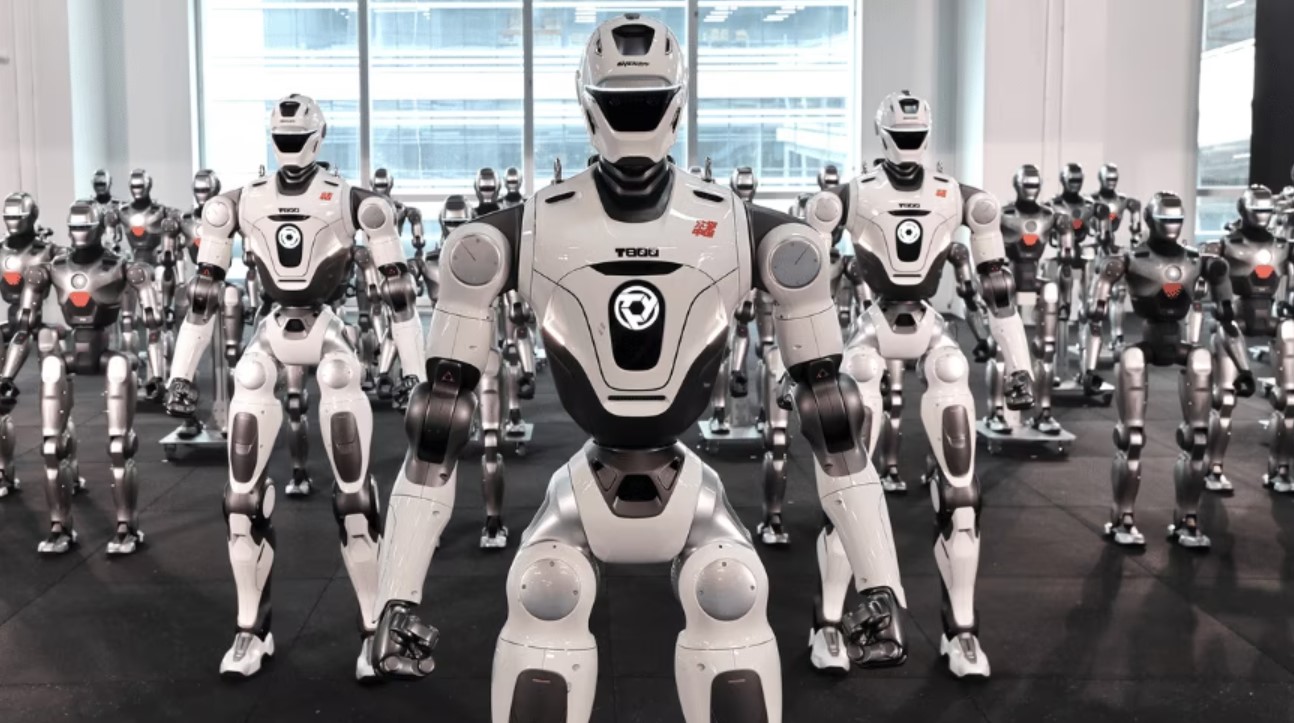
The FCC added two categories to its national-security Covered List on July 28, 2026: foreign-made mobile robots and connected power inverters linking solar, batteries, and data-center equipment to the grid. No new models in either category can obtain FCC equipment authorization — the legal gate to being imported, marketed, or sold in the US. The rules say “any foreign country.” Chinese companies accounted for over 80% of humanoid robots installed globally last year, according to Counterpoint Research cited by SCMP. The math does itself.
What the Ban Actually Does
New foreign models are frozen out immediately, while already-authorized hardware stays legal to import and operate.
Here’s the mechanics:
- New foreign-made robots and inverters cannot get FCC authorization going forward
- Already-authorized models remain legal to import, sell, and operate — no recall, no forced retirement
- Manufacturers can seek Conditional Approval through national-security review — the Pentagon handles robots, the Department of Homeland Security handles inverters, according to Politico
- Federal government purchases are explicitly not restricted by this FCC action
- Formally nationality-neutral; practically aimed at Beijing
Think of the Covered List like the velvet rope outside an exclusive club. Huawei and DJI got bounced this way. New models get frozen out while legacy devices linger until they age into irrelevance — less dramatic raid, more streaming platform quietly retiring catalog titles no one asked to lose.
“Secure America’s critical supply chains.” — FCC Chair Brendan Carr, according to ABC News
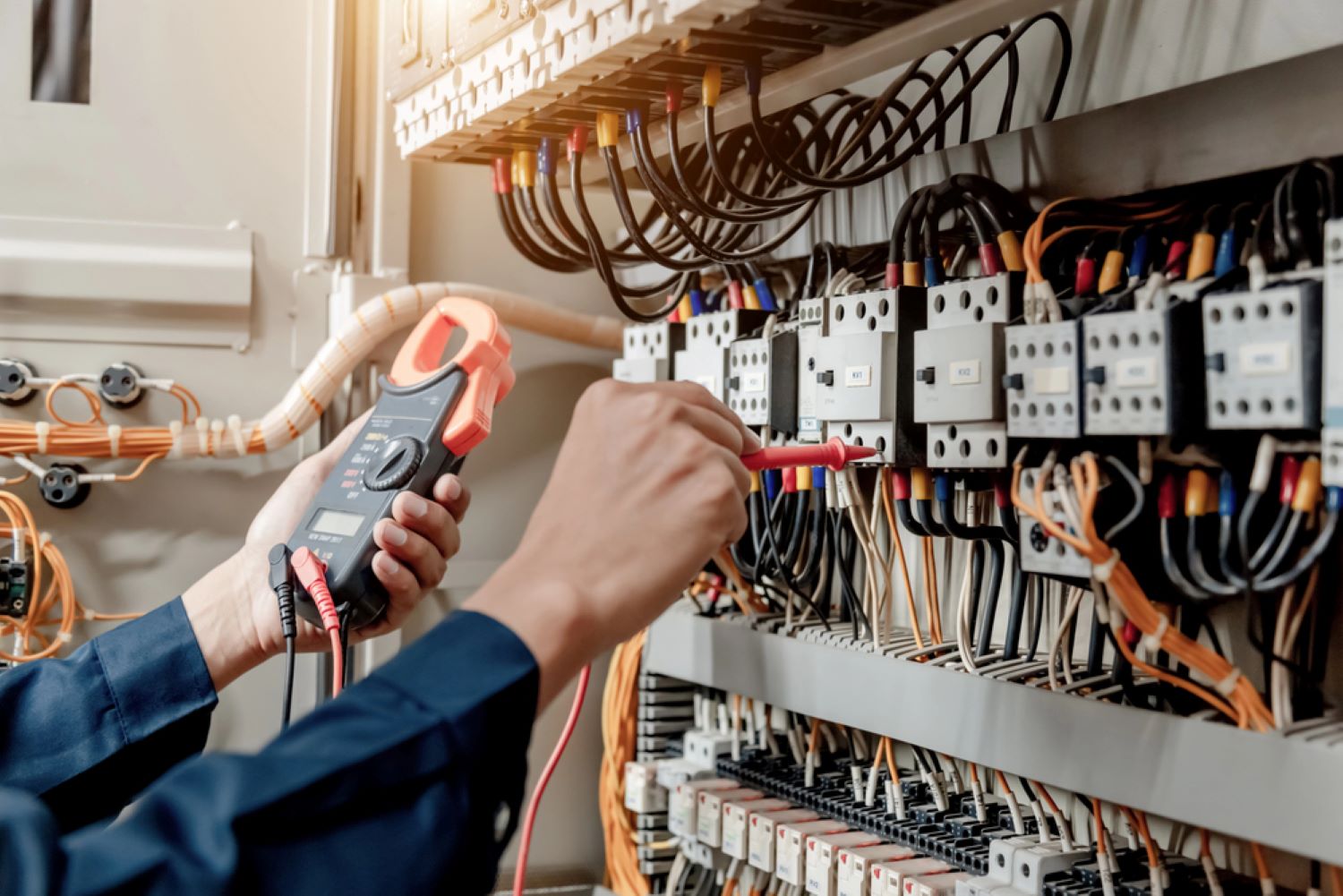
Both device categories share a common risk profile: networked, remotely updatable, and capable of being commandeered via firmware. Officials argue foreign vendors could trigger grid disruptions through inverters or redirect robots into roaming surveillance platforms inside sensitive facilities. One administration official told Reuters bluntly: “Economic security is national security.” That framing connects the ban directly to the AI buildout — America’s fast-growing data-center and renewable energy infrastructure depends on exactly these device categories.
The Gap Between the Rule and Reality
Banning imports takes a signature; building domestic replacements takes considerably longer.
Unitree — the Chinese company whose robot dogs have done backflips across social media feeds, now preparing a public listing — is the face of what this ban targets. China’s Foreign Ministry condemned the move as protectionism dressed in security language, warning of “necessary measures” to protect Chinese firms’ interests, according to CGTN. Analysts quoted in Global Times suggest most major Chinese manufacturers had already begun diversifying away from US revenue dependence, which tempers the immediate shock without erasing the long-term constraint.
Blocking imports is fast. Building domestic alternatives is not. China dominates the underlying component chains: rare earths, batteries, power electronics. Expecting US solar farms and data centers to swap inverter suppliers on short notice is roughly the equivalent of ordering same-day delivery on a factory — the infrastructure simply does not exist at scale yet.
The ban reshapes which machines and grid hardware reach US shelves for years to come. Foreign manufacturers now face a stark binary: localize production inside the US or clear a national-security review process designed, whatever the legal language says, with one country firmly in mind. Whether full supply chains follow that signal across the Pacific is the question neither a policy memo nor a press release can answer.