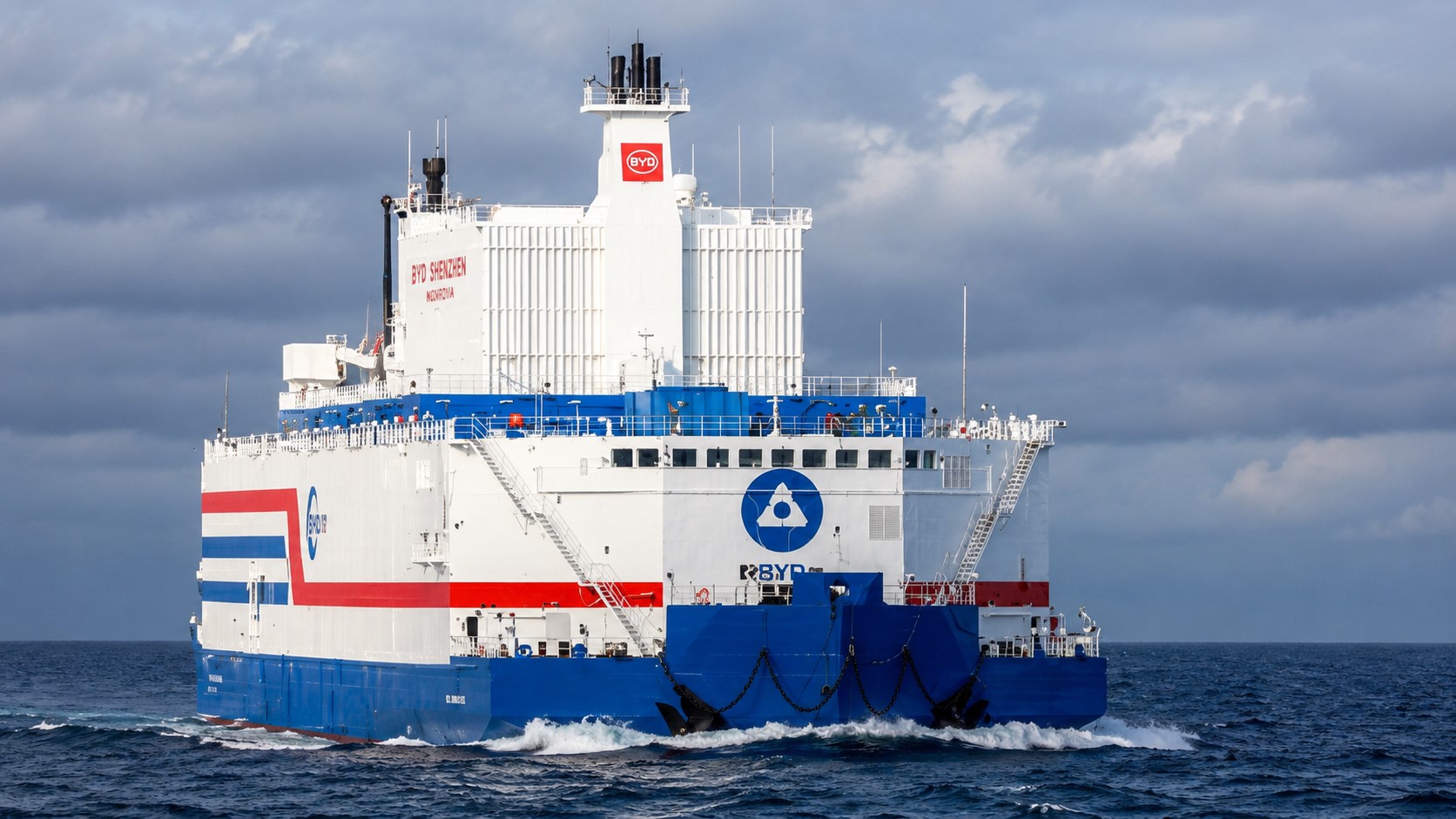
A 21,000-tonne steel barge sits moored in the Arctic at Pevek, one of the most remote towns on Earth. Inside: two nuclear reactors derived from icebreaker technology, powering the local grid and heating homes through polar darkness. The only power source still running when every other option has frozen over. Thirteen international experts from the World Association of Nuclear Operators (WANO) just spent two weeks stress-testing every system aboard the Akademik Lomonosov — and the results came back cleaner than the previous audit in 2022.
What the Auditors Actually Checked
The WANO Moscow Center team ran a systematic follow-up of every recommendation its 2022 mission left behind.
Auditors scrutinized organization, maintenance, radiation protection, emergency preparedness, and engineering support. They observed daily operations and combed through technical documentation. The specific mandate: verify whether 2022 recommendations had been implemented across risk management and radiation safety.
They had. WANO mission head Dmitry Zerkal reported the plant “has achieved good results in all areas,” according to World Energy. Fewer Areas for Improvement — WANO’s standard progress metric — were flagged compared to the previous review.
The machine itself is worth understanding. Two KLT-40S pressurized water reactors produce 70 MWe combined, refueled every three years. The 144-meter barge is permanently moored to coastal infrastructure, with reactor compartments reinforced against Arctic storms, wave motion, and mechanical shock — hazards no land-based reactor faces. Core damage frequency during normal operation sits below 10⁻⁷ per reactor-year, comparable to modern Gen III+ designs, according to IPSAM technical research.
Diesel generators currently power most remote Arctic communities — expensive, carbon-heavy, and logistically punishing, like paying premium import prices for every electric kilowatt generated. A floating SMR clearing international safety audits changes that math. FNPP Director Viktor Yelagin stated the results place Akademik Lomonosov “on par with Russia’s top nuclear power plants, including the Balakovo and Kalinin NPPs,” according to Rosatom’s press office. That quote will appear in every export pitch going forward.
The Gaps Nobody’s Solved Yet
International regulators still have no dedicated safety framework written specifically for floating nuclear facilities.
The IAEA lacks specific safety standards for floating nuclear facilities. Regulators currently stitch together land-based reactor rules, maritime codes, and national law — a patchwork approach that independent analysts and Russian experts alike have publicly flagged as insufficient. Emerging 2026 classification society guidance begins addressing it, but “begins” is doing heavy lifting here. Any serious international deployment demands something far more explicit before your confidence in cross-border oversight is fully warranted.
Akademik Lomonosov has operated since 2019 without major incident, now backed by two clean WANO audits. Its 40-year service life means this Arctic nuclear experiment is barely getting started — and every SMR developer watching from the outside is taking very careful notes.