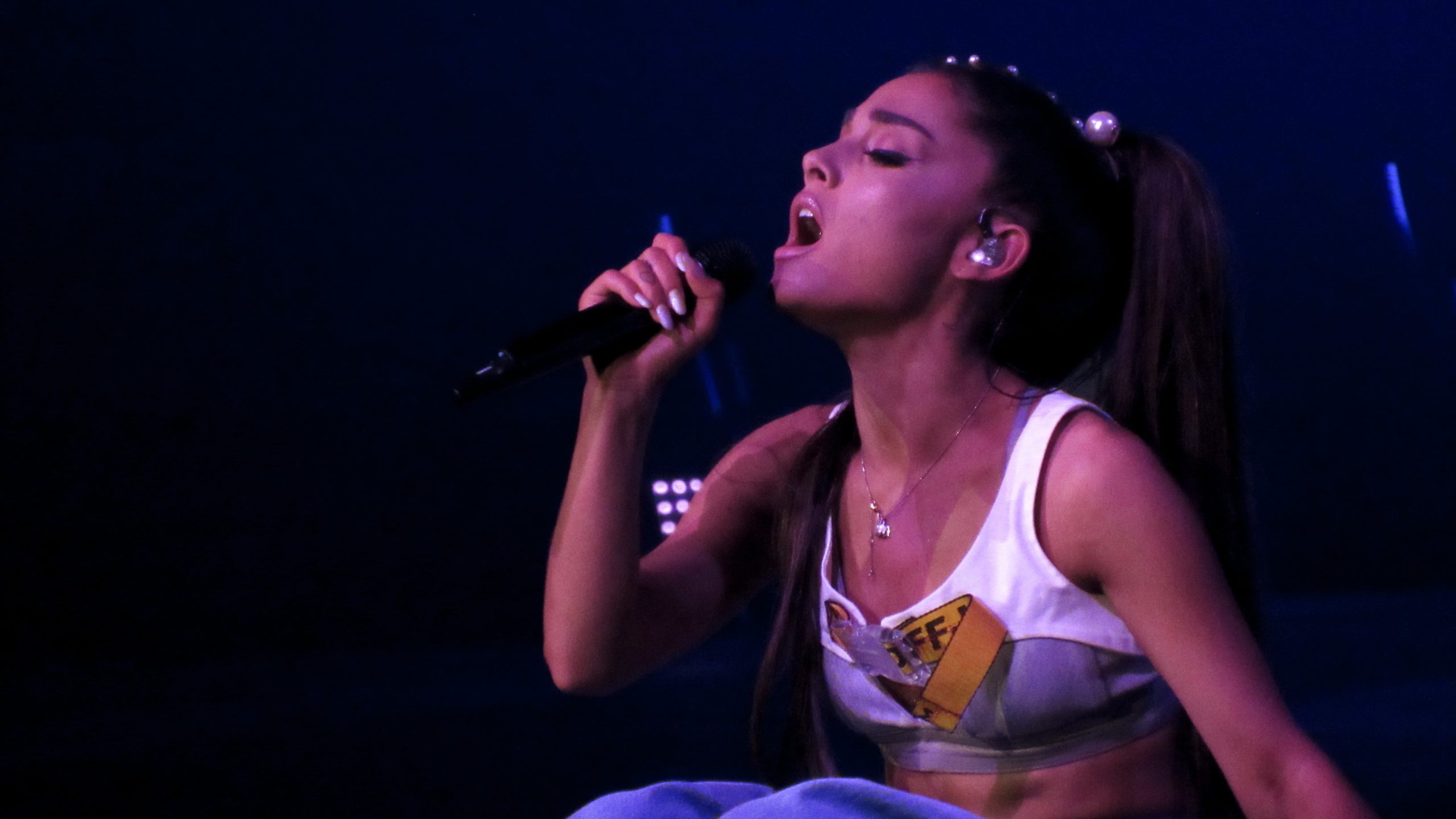
Nobody broke into Ariana Grande’s accounts. That’s the unsettling part. Instead, hackers reportedly went after the people around her — a photographer here, a producer there — quietly compromising the collaborators who hold the keys to unreleased material. Grande filed a civil lawsuit on July 27, 2026, in Los Angeles County Superior Court against John Doe 1 and John Does 2–100, alleging years of systematic theft. The numbers are staggering: 45 unreleased songs stolen in 2023 alone, according to court papers, with hundreds of similar leaks stretching back to her 2011 debut. The suit isn’t just about damages. It’s engineered to unmask anonymous attackers. Similar breaches have recently exposed Hollywood actors and directors on a massive scale, underscoring how pervasive entertainment-industry cyber exposure has become.
The Weak Link Wasn’t Grande – It Was Everyone Around Her
Hackers used phishing attacks on collaborators’ cloud accounts and devices to build a trove of stolen creative work spanning five years.
The complaint lays out a methodical timeline:
- In 2019, attackers allegedly obtained login credentials for a photographer’s Dropbox account and downloaded unreleased photos.
- In 2020, a producer’s mobile device was compromised, exposing unreleased masters, demos, and session footage.
- By 2024, the tactics had evolved into spear-phishing — highly targeted impersonation where criminals created a fake Gmail account and matching domain to pose as a photographer, attempting to trick a digital technician into surrendering unreleased images, according to MyNewsLA.
You don’t need to be the celebrity. You just need to know one.
The stolen material included music videos, behind-the-scenes footage, album outtakes, and recording-session content — described in the complaint as “not intended for public consumption.” Attackers then allegedly sold it in batches through PayPal and Cash App, with some content reaching underground online markets where stolen media trades semi-anonymously for significant sums, according to Us Weekly. Buyers spread the material across social platforms, compounding the harm with each reshare.
The unauthorized distribution, the complaint states, disrupted Grande’s “business relationships, creative process, and her peace of mind that her livelihood is safe and secure.”
The Real Target: Unmasking the Anonymous
Grande’s legal team is wielding subpoena power to trace pseudonymous sellers back to real identities through ISPs, platforms, and payment processors.
The lawsuit invokes California’s Comprehensive Data Access and Fraud Act — a state statute that creates civil liability for unauthorized computer access and data theft — alongside invasion of privacy and civil conversion claims. Grande’s team is seeking:
- A jury trial
- A court order to recover all stolen content
- Broad subpoenas targeting ISPs, online platforms, and payment processors to pull IP logs, account records, and transaction histories
It’s following the money and the metadata at the same time.
This echoes a pattern stretching back to the 2014 iCloud celebrity photo hack, but the approach here is different. Rather than waiting for criminal prosecutors, Grande is using civil litigation as an offensive tool — suing anonymous defendants specifically to force platforms to reveal who they are, according to CBS News. If the strategy succeeds, other artists will notice. Cloud providers and collaboration tools relied on across music production may face pressure to build stronger default protections for high-value creative teams. The entertainment industry’s remote collaboration infrastructure — shared Dropbox folders, producer group chats, cloud-synced session files — remains a soft target. Artists, it seems, are done treating leaks as just the cost of being famous.