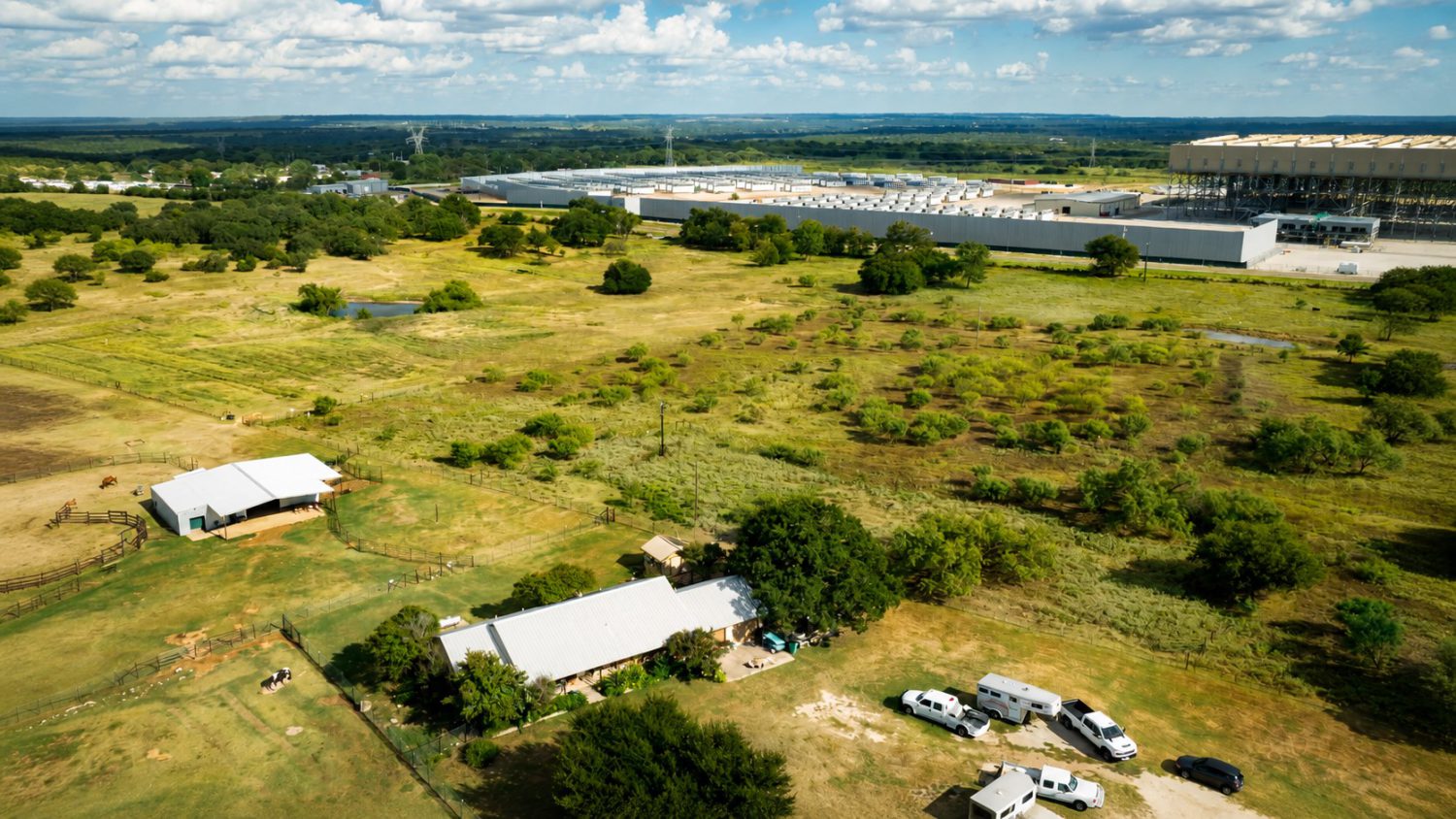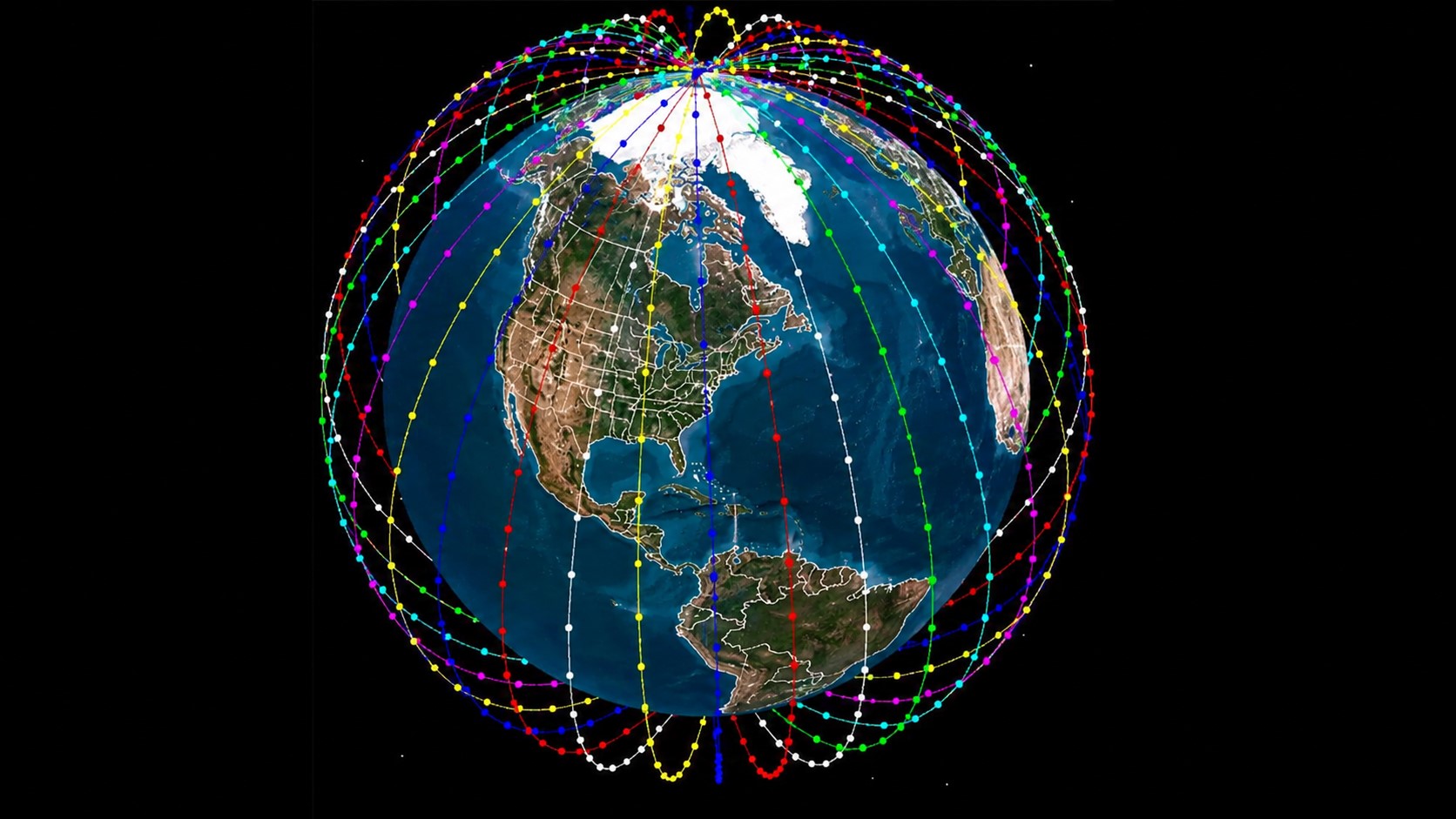
Terrestrial data centers overheat neighborhoods and gulp water. The tech industry’s proposed fix? Launch the problem into the stratosphere. A coalition led by Earthjustice, Public Employees for Environmental Responsibility, and DarkSky International has formally petitioned the FCC to pause licensing of more than one million proposed orbital data center satellites, calling the plans potentially “catastrophic” for the planet’s atmosphere and night sky, according to an Earthjustice press release.
Who Wants Servers in Space
SpaceX, Blue Origin, and a Robinhood co-founder’s startup are among the companies filing for orbital compute capacity at unprecedented scale.
Cowboy Space Corporation alone proposes 20,000 satellites, with launches targeted for 2028, according to The Guardian. SpaceX frames its filings around “humanity’s multi-planetary future” — language doing considerable heavy lifting while offering little beyond brightness reduction measures, with no detailed plan for atmospheric pollution, according to SpaceBoundaries and The Guardian. Active satellites have already ballooned from roughly 1,400 in 2015 to about 15,000 today, with projections hitting 100,000 by 2030 before a single orbital data center goes up, according to The Guardian and Engadget.
The pitch sounds clean: solar-powered servers, no land-use conflicts, no diesel generators humming behind local neighborhoods. The math tells a different story.
- Each heavy rocket launch can dump approximately 10 tons of black carbon soot directly into the stratosphere, where it carries roughly 500 times the warming potential of ground-level emissions, according to analyses citing Maloney and Ross’s research.
- Deorbiting satellites vaporize metals like aluminum and magnesium, injecting alumina — aluminum oxide particles — into atmospheric layers critical for ozone protection, with poorly understood consequences.
- A 2025 modeling study found that alumina from current satellite reentries could alter polar wind speeds and warm the mesosphere by 2040, according to Mongabay.
- Research from Saarland University suggests orbital data centers may carry a higher total carbon footprint than terrestrial ones once launch and reentry emissions are fully counted, according to Scientific American. The scale of this AI infrastructure investment is part of what’s driving companies to seek orbital alternatives.
“Even if they do burn up, you do not want to be filling up the atmosphere with refuse from these any more than you would want it coming from a smoke stack.” — Steve Volz, former NOAA satellite office head, according to The Guardian
Solution or Escape Hatch
Environmental groups argue orbital proposals swap visible neighborhood harm for invisible, potentially irreversible atmospheric damage.
Petitioners say the FCC must weigh public interest under the Communications Act and conduct a full Programmatic Environmental Impact Statement under NEPA before licensing proceeds. Critics frame it plainly: moving the mess from the kitchen to a shared attic — except that attic is the ozone layer, and every person on Earth lives downstairs.
Debris risk compounds the concern. More satellites mean higher probability of chain-reaction collision events that fragment into clouds of wreckage, threatening weather, navigation, and communications satellites already in orbit, according to Earthjustice and the Georgetown Environmental Law Review. DarkSky International warns that millions of new satellites would permanently alter nocturnal ecosystems, disrupting astronomy and wildlife that depend on darkness.
Former federal space officials separately question whether orbital data centers are technically or economically feasible at the proposed scale, describing them as excessively expensive and unlikely to work, according to The Guardian.
“These projects could permanently alter the night sky as we know it.” — Ruskin Hartley, DarkSky International, according to Earthjustice
The FCC has not responded. No review has been ordered. The stratosphere — a region no regulator can see, vote on, or fence off — sits unprotected, waiting to absorb whatever gets launched into it.