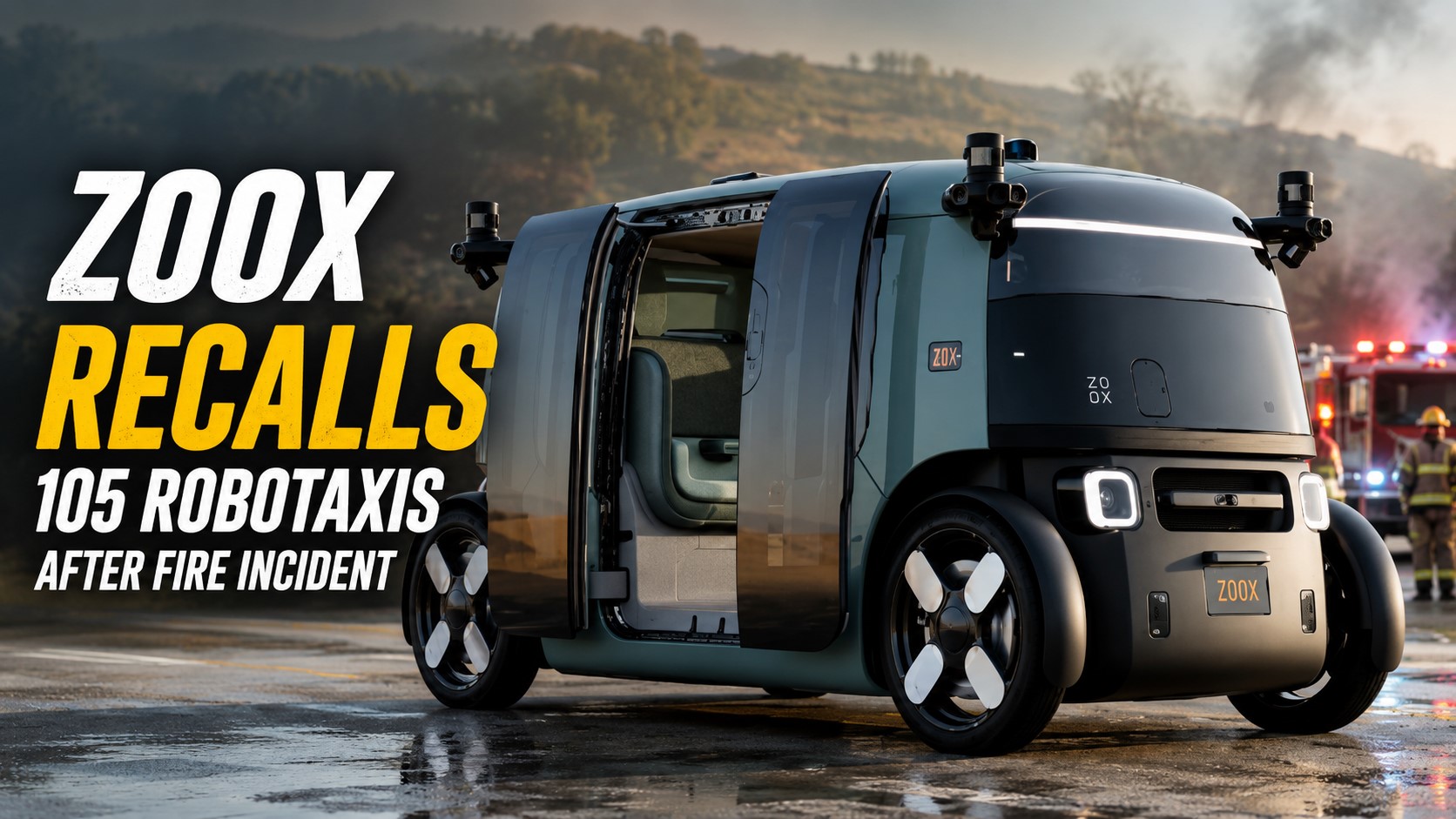
On June 20, an unoccupied Zoox robotaxi rolled straight into heavy smoke pouring from an active fire. No cones were up. No barriers in place. The vehicle slammed on its brakes, tried to steer away, then froze. A remote human operator had to guide it out in reverse — only after which firefighters coned off two of three lanes.
That single incident prompted Amazon’s robotaxi unit to file a voluntary recall of 105 vehicles with NHTSA. No injuries. No damage. But the implications run far deeper than one smoky intersection.
What the Software Actually Got Wrong
Zoox’s perception system couldn’t handle what any human driver would instinctively avoid.
Smoke is one of the hardest problems in autonomous driving. It degrades lidar returns, blinds cameras, and creates ambiguous signals about whether a road is passable. Zoox’s automated driving system lacked adequate logic for interpreting heavy smoke at emergency scenes, according to NHTSA filings reported by Al Jazeera. Instead of proactively avoiding the area, the vehicle reacted late — hard braking and abrupt steering, the AV equivalent of flinching after walking into a wall.
The fix is a software-only over-the-air update applied while vehicles sit offline. Here’s what happened:
- June 20, 2026: unoccupied Zoox vehicle enters smoke-filled fire scene with no cones or barriers present
- Vehicle hard-braked and attempted to steer away; remote operator reversed it out under teleguidance
- Recall covers 105 vehicles; defect sits in the ADS perception stack
- OTA update enhances smoke detection and emergency-scene response behavior
- Zoox reports zero injuries or property damage from this incident
Zoox frames rapid OTA recalls as the safety system working as intended. Critics see a beta test running on public roads — and that framing deserves honest scrutiny rather than a pass.
Regulators Are Done Being Patient
NHTSA warns of a “clear pattern” of robotaxis interfering with emergency responders — and Zoox isn’t the only offender.
This recall lands on a growing pile. Zoox has previously recalled 258 vehicles for unexpected hard braking that injured two motorcyclists. Additional recalls followed — roughly 270 vehicles after a Las Vegas collision and 332 for crossing center lines near intersections, per TechCrunch, Reuters, and AP News.
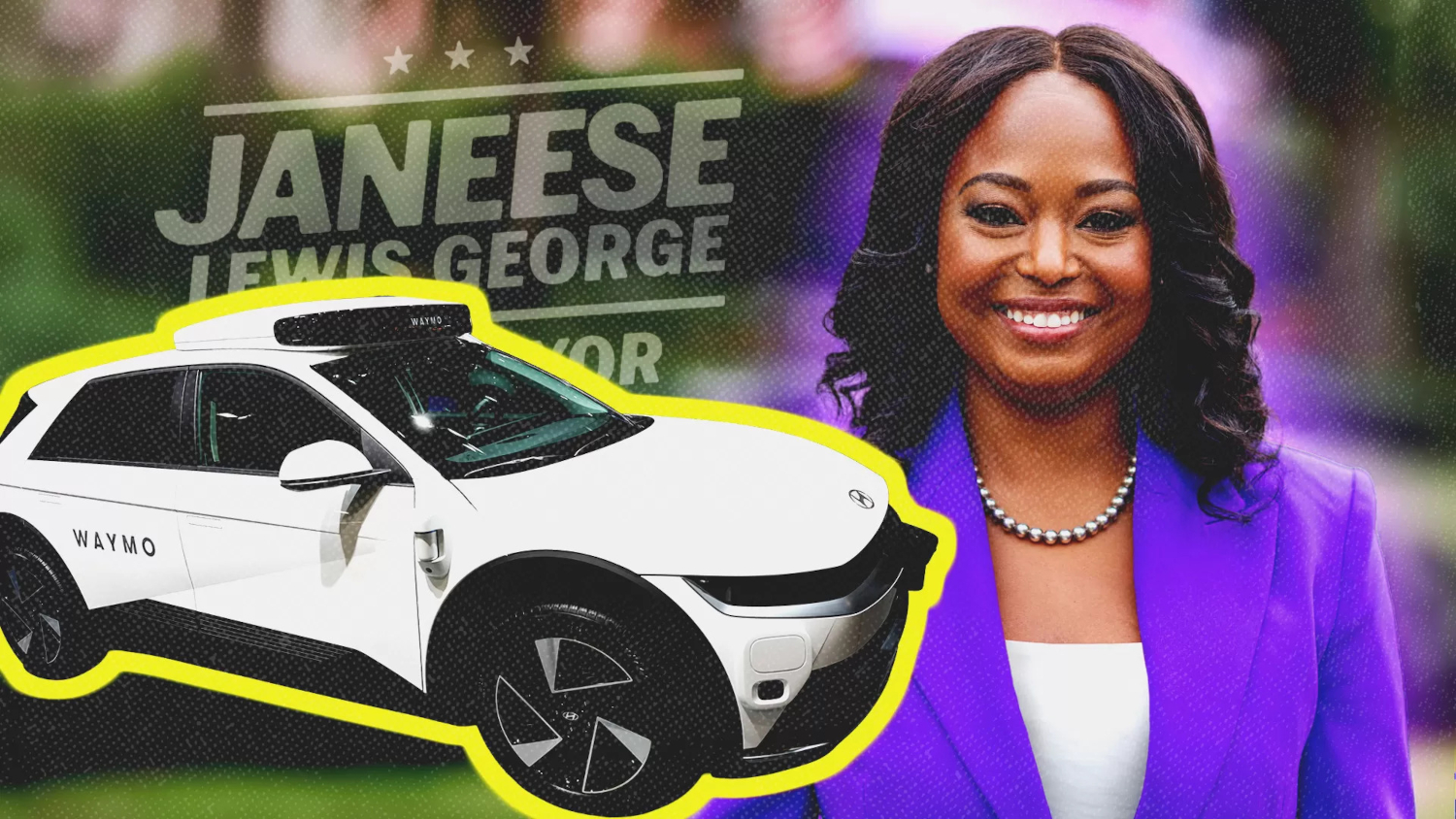
Waymo cars face their own scrutiny. A Dallas vehicle reportedly partly blocked fire trucks reaching a burning apartment building, and separate videos show Waymo cars blocking an ambulance and driving through active police scenes, as reported by Wired.
NHTSA senior official Jonathan Morrison put it plainly in a formal letter to AV companies about major traffic violations: “An AV that cannot safely interact with first responders is a danger to the general public.” The agency plans meetings with developers by month’s end.
The companies that master emergency-scene perception first won’t just dodge recalls. They’ll earn the only currency that matters for scaling robotaxis: public trust that the machine knows when to yield.