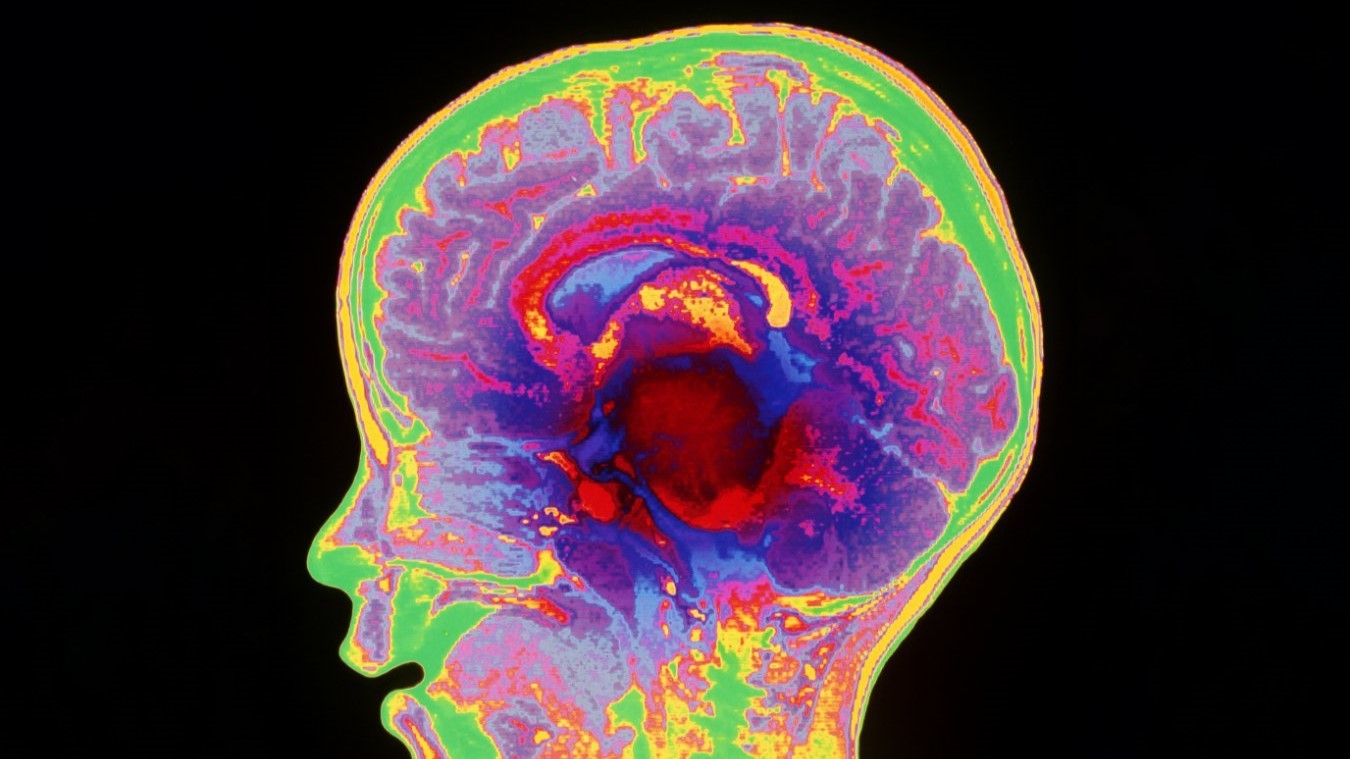
Diffuse intrinsic pontine glioma — DIPG — kills most children within a year of diagnosis. That statistic hasn’t budged in two decades. So when a phase-I safety trial at Children’s National Hospital enrolled 33 kids with DIPG and other high-risk brain tumours, nobody was expecting miracles. Four of those children are still alive years later. Three show no evidence of disease. One had failed 17 rounds of prior treatment. Two follow-on trials are now launching, and the field is finally moving.
How the Therapy Actually Works
TAA-T therapy skips gene editing entirely, instead selecting and multiplying T cells that already recognise tumour proteins.
The approach, called TAA-T therapy, draws a patient’s own T cells from blood. In a lab, those cells are exposed to three proteins commonly found on paediatric brain tumours: WT1, PRAME, and Survivin. T cells that recognise those targets get multiplied in the lab, then returned to the patient through an IV. Unlike CAR T-cell therapy — which genetically reprograms cells to chase a single antigen — TAA-T trains existing immune cells to recognise multiple targets simultaneously. Think of cancer vaccine research as a parallel frontier where immune-based approaches are gaining remarkable traction.
Think of it as casting a wider net instead of throwing a single spear.
What the Trial Actually Found
The ReMIND trial’s results are preliminary but striking, particularly for patients who had run out of conventional options.
- 33 children and young adults enrolled in the ReMIND trial (NCT03652545) with newly diagnosed DIPG or recurrent high-risk CNS tumours
- Four long-term survivors; three with no evidence of disease
- One DIPG patient survived 32-plus months; the historical median sits around 11 to 12 months
- A glioblastoma patient reached five-year survival; others remain cancer-free beyond two to three years after failing up to 17 prior chemotherapy and radiotherapy rounds
- Most side effects were mild — fatigue and headache — though one DIPG patient died from immune-triggered tumour swelling and respiratory failure, a serious risk that investigators continue to monitor closely
“There did seem to be a signal of efficacy,” said Catherine Bollard of Children’s National Hospital, whose team led the trial.
The Honest Caveat
A small, uncontrolled safety trial can suggest promise without confirming it.
These outcomes are extraordinary precisely because the patients had exhausted every conventional option. But phase-I trials are designed to measure safety, not efficacy, and the ReMIND study had no control group. Selection factors in small cohorts can skew apparent results. Tim Hassall, paediatric oncologist at Queensland Children’s Hospital, put it plainly: “No one is jumping up and down and saying ‘this is it’ just yet, but it is encouraging and it’s one step further along in our understanding of how to use cellular therapies to attack brain tumours.” Advances in adjacent fields — such as research into frozen brain tissue — underscore how rapidly neuroscience is evolving.
What Comes Next
Two follow-on trials aim to crack open the blood-brain barrier and personalise each child’s treatment.
Children’s National is launching two successor trials. One pairs TAA-T infusions with focused ultrasound to temporarily open the blood-brain barrier, allowing more T cells to reach the tumour. The other sequences each patient’s cancer to identify its unique antigen fingerprint, then custom-trains T cells against those specific targets — a bespoke immune weapon, built for one child at a time.
After two decades of stagnation, tumour profiling, ultrasound-assisted delivery, and multi-antigen immune training are finally giving researchers something concrete to build on. This isn’t a cure yet. But four kids are alive who statistically shouldn’t be, and that is exactly the kind of signal worth following — much like the life-saving device breakthroughs that show how experimental treatments can ultimately reach patients in need.