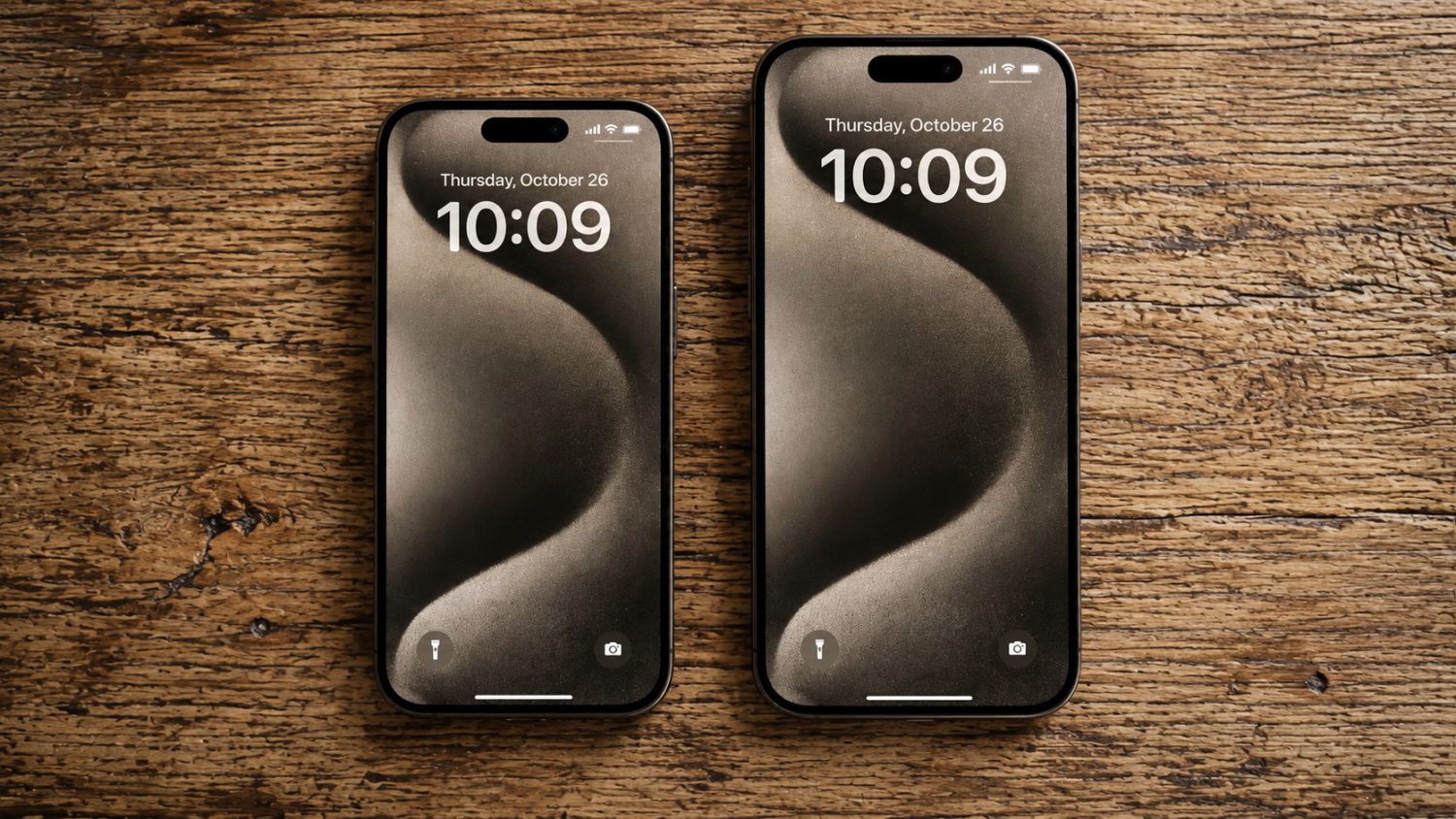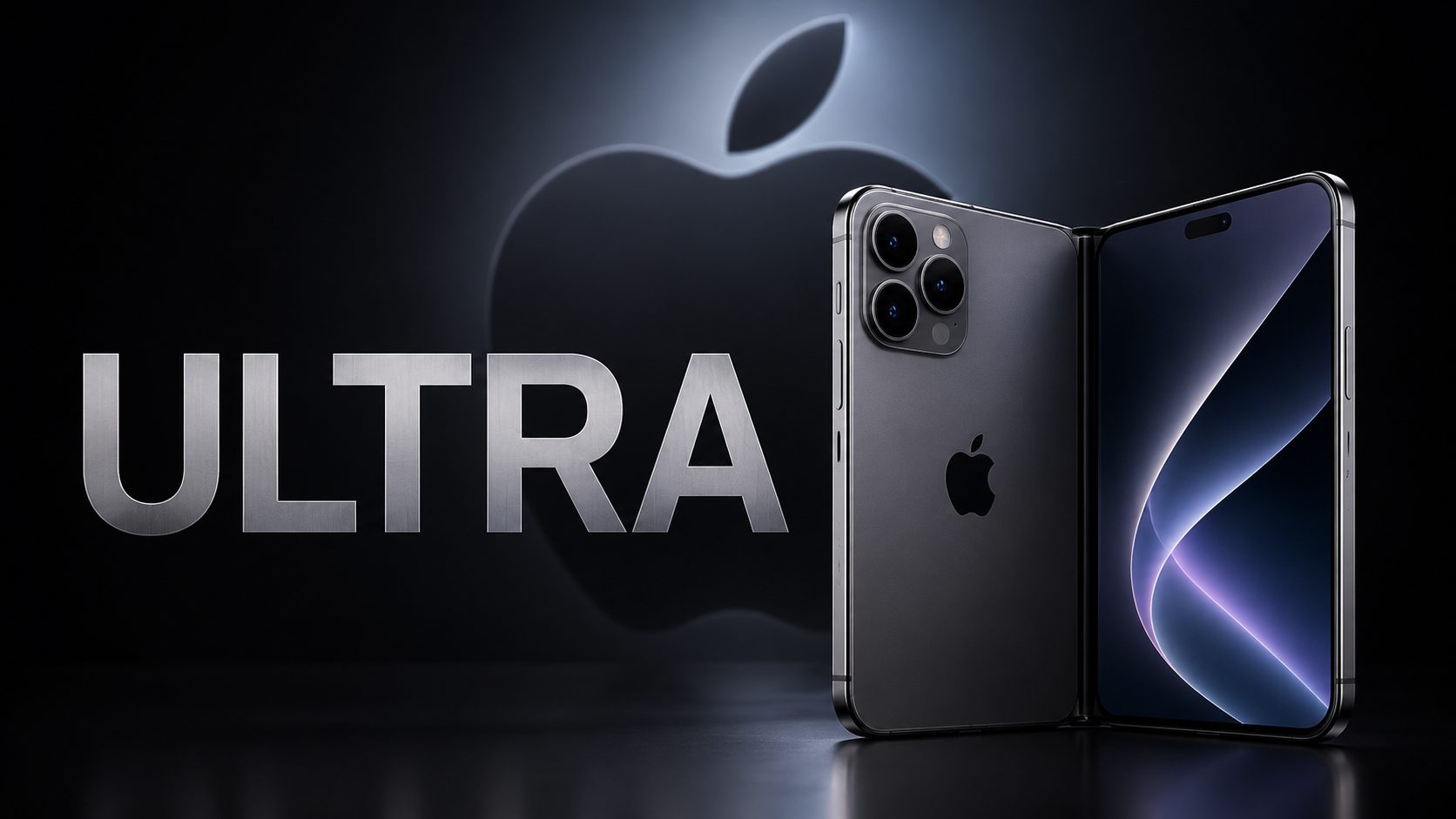
The $1,199 Pro Max already strains most budgets. Now picture a checkout screen reading $2,500 — for a phone that folds. According to reporting from Nikkei Asia, cited by T3 and 9to5Mac, Apple has told suppliers to prepare roughly 10 million foldable iPhone Ultra units ahead of an expected late 2026 launch. That number sounds bullish. A separate report from Korean outlet The Elec, via 9to5Mac, tells a quieter story: Apple has reportedly slashed initial manufacturing guidance to approximately 3 million units. The gap between those figures isn’t rounding error — it’s a 70% swing that signals genuine uncertainty.
The Most Expensive iPhone Apple Has Ever Made
Analyst estimates place the average selling price near $2,500, with top configurations reportedly pushing toward $3,000.
That base price already clears what Samsung’s Galaxy Z Fold series or Google asks for the Pixel Fold, both typically sitting in the $1,799–$1,999 range. Yet according to IDC forecasts, Apple is expected to capture over 22% of foldable unit share and 34% of total foldable market value in year one — driven almost entirely by that pricing premium.
Here’s what supply-chain reporting actually supports:
- Apple has ordered approximately 10 million display panels for the Ultra versus roughly 90 million for the iPhone 18 Pro line, per PhoneArena — about 4.5% of total expected iPhone volume.
- More recent manufacturing guidance, per The Elec via 9to5Mac, puts initial targets closer to 3 million units, reflecting caution about real-world demand at this price point.
- Samsung Display has reportedly secured a three-year exclusive OLED panel supply deal — meaning Samsung profits whether this device succeeds or stumbles.
- Leaked but unconfirmed specs suggest a book-style foldable with a 7.8-inch inner display and a next-gen A-series chip. Apple has confirmed nothing officially.
Late to the Party, Priced Like the Host
Samsung, Huawei, and Google have iterated on foldables for years while Apple studied their mistakes from the sidelines.
Apple is arriving with a device that costs more than a MacBook Air and reportedly less launch inventory than a limited Nike sneaker drop. Per Forbes, Apple may be using the Ultra’s elevated margins to absorb rising component costs without hiking prices on the mainstream iPhone 18 line — a pressure valve dressed up as a product launch.
According to IDC, Apple is expected to capture “over 22% unit share and a staggering 34% of the foldables market value” in its first year, driven by its $2,400 average selling price.
Launching a first-generation form factor at this price is the equivalent of opening a restaurant with a $400 tasting menu before anyone’s tried the kitchen. For loyal iOS users who have resisted Samsung’s Galaxy Z Fold, the iPhone Ultra is positioned as the long-awaited alternative — if the price doesn’t deter them first. If you’re wondering whether you’re paying too much for the latest tech, that question has rarely felt more relevant.