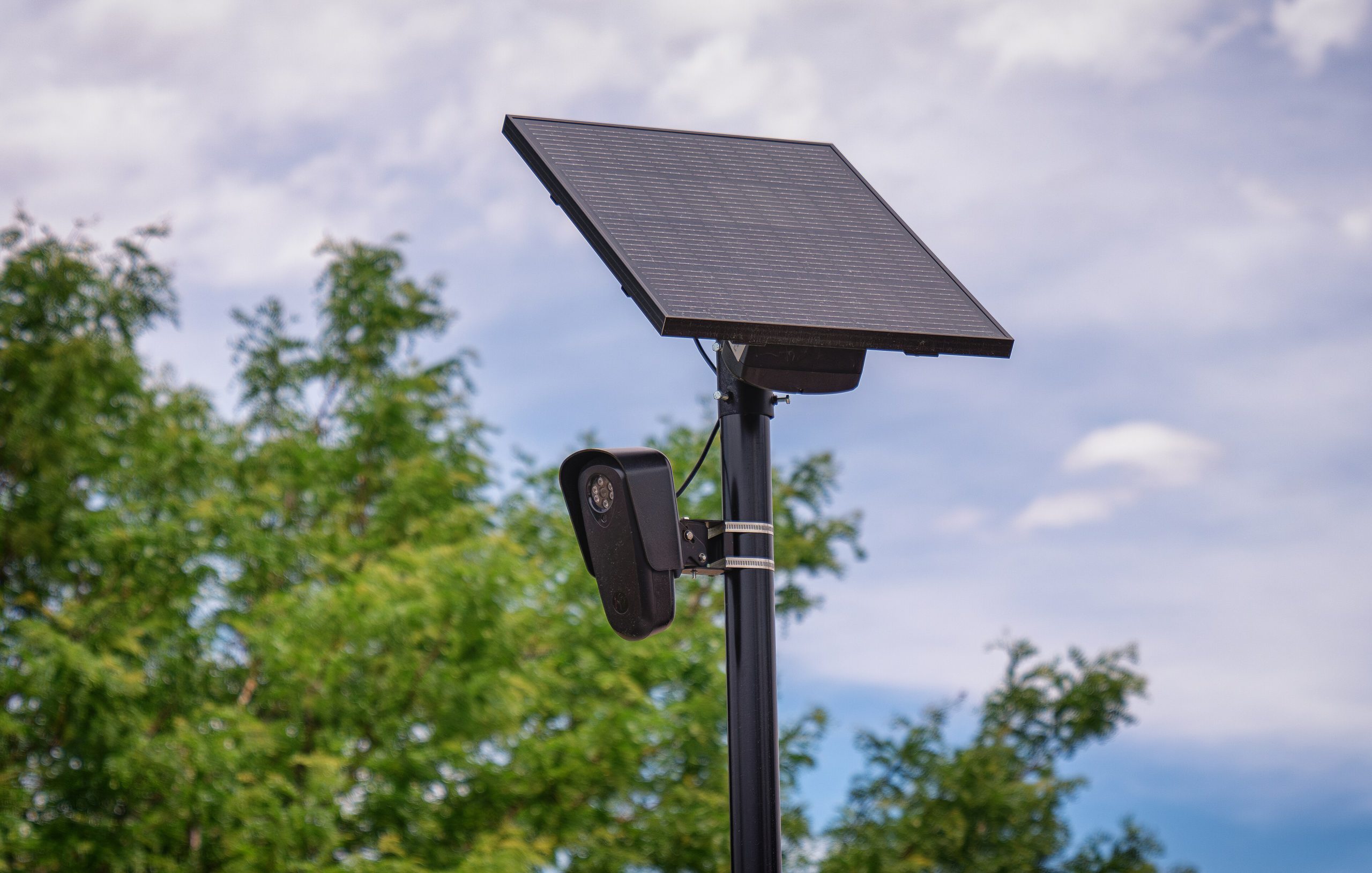
A driver heads to a clinic on a Tuesday afternoon. Another joins a protest on Saturday morning. Both assume they’re anonymous — just another car in traffic. They’re not. Flock Safety’s network of over 100,000 AI cameras has already logged the plate, the make, the color, and the dent above the rear wheel arch. That data — searchable, shareable, algorithmically sorted — now sits in a surveillance network accessible to law enforcement agencies far from where the camera snapped the image.
The Grid You’re Already Driving Through
More than 3,000 agencies feed plate scans into a searchable national surveillance network most drivers don’t know exists.
The EFF’s Atlas of Surveillance has documented over 3,000 law enforcement agencies using Flock products as of 2025. According to the ACLU of Massachusetts, local plate scans funnel into a national pool accessible to departments well outside their own jurisdictions. Flock’s standard contracts reportedly allow data disclosure to other agencies for investigative purposes, even when local departments attempt to restrict access.
Flock describes itself as a “vehicle data only” platform — no biometrics, no personally identifiable information, thirty-day default deletion. The ACLU of Oregon offers a sharper counter: “an AI-powered search engine for a surveillance network” that records every passing vehicle, not just suspects. The EFF reported that more than 50 federal, state, and local agencies conducted hundreds of Flock searches related to protest activity over 10 months. That’s not targeted policing. That’s pattern-harvesting at scale.
Now It Wants Your AirPods Too
Newer roadside sensors link Bluetooth signals from personal devices directly to a specific license plate.
Systems like Leonardo’s SignalTrace take the surveillance logic further. Roadside sensors scan for Bluetooth and wireless signals — your phone, smartwatch, earbuds — then algorithmically match devices that consistently travel together to a specific plate. Leonardo calls this “non-intrusive intelligence gathering.” Think of it as ad-tech cookies, except the tracking pixel is roadside hardware operated by law enforcement rather than a banner ad network. Your AirPods were never supposed to be a secretly tracking users beacon. Neither was your Garmin.
Privacy experts warn this combination of plate data and persistent wireless identifiers allows authorities to build high-fidelity dossiers linking a person’s devices — and their online identity — to driving routes and passenger companions.
DeFlock Fights Back
A free, open-source route planner maps roughly half of all Flock cameras and helps drivers minimize exposure on sensitive trips.
That expanding surveillance grid is exactly why DeFlock exists. Built by Tech BS LLC, the project gained wider visibility after Flock Safety sent a cease-and-desist letter over alleged trademark dilution — a letter DeFlock refused to comply with, backed by the EFF. The standoff carried the same David-and-Goliath energy as when Signal pushed back against government backdoor demands: a small tool becoming a symbol of resistance against tech scandals and corporate overreach.
DeFlock crowdsources camera locations nationwide, currently covering roughly half of all Flock cameras. Users enter a destination, choose an avoidance intensity, and receive a privacy-optimized route displaying added time and distance. The companion tool “Have I Been Flocked,” available through StopFlock, lets anyone search whether their plate has already appeared in Flock queries pulled from FOIA audit logs.
Washington State’s SB 6002, effective 2026, bans ALPR collection near health-care facilities, schools, and places of worship, and sets a 21-day default data deletion window. It may well become a national template. The broader fight — over where cameras can sit, how long data lives, and when sharing requires a warrant — is still in early innings. Disabling unnecessary Bluetooth in transit and checking maps.deflock.org before sensitive trips are practical steps available right now. The cameras already know your car. Whether they also know your earbuds is increasingly a policy question, not just a technical one.