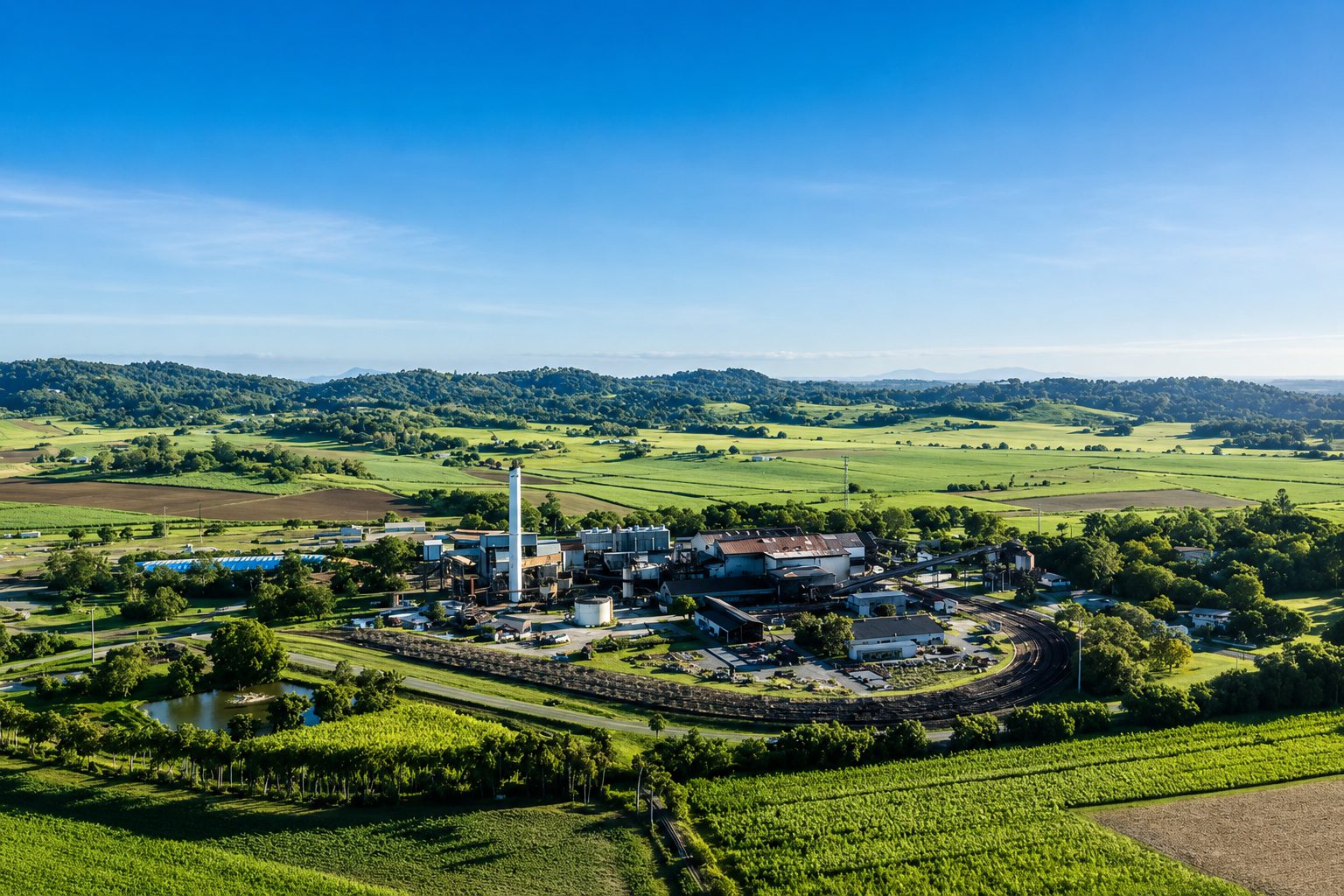
When hackers want maximum leverage, they don’t target your laptop—they go after the stuff you can’t live without. That’s exactly what happened when the Gentlemen ransomware group decided to mess with Australia’s sugar supply, forcing Mackay Sugar to shut down two of its three mills right in the middle of harvest season.
The attack, which began June 10, didn’t just crash some spreadsheets. It halted cane crushing operations, stopped rail transport, and sent “cease harvesting” orders to roughly 1,300 family farms across North Queensland. You know how your phone becomes useless when the battery dies? That’s basically what happened to an entire regional economy.
Critical Timing Makes Everything Worse
Sugar cane has a shelf life, and hackers know it.
Mackay Sugar, Australia’s second-largest raw sugar producer, found itself in an impossible position. Cane must be processed within a narrow window after cutting, or the sugar content degrades—meaning delayed crushing equals lost income for growers.
The company managed to restart limited manual operations at one mill by June 12, but the sophisticated scheduling and logistics systems remained compromised. Joseph Borg from Canegrowers Mackay warned farmers not to expect a “quick turnaround,” highlighting how deeply these digital systems penetrate physical operations.
Meet Your New Nightmare: Industrial Ransomware
The Gentlemen group specializes in spreading fast and hitting hard.
The perpetrators, known as the Gentlemen ransomware group (Microsoft tracks them as Storm-2697), represent ransomware’s evolution beyond simple data encryption. Their malware moves through networks with worm-like lateral movement capabilities, though Mackay Sugar hasn’t confirmed whether the attackers actually penetrated industrial control systems or simply disrupted the IT infrastructure that coordinates everything. Either way, the mills stopped running—which was probably the point.
When Food Production Becomes a Cyber Target
Agriculture joins the growing list of critical infrastructure under attack.
This attack fits a disturbing pattern. Ransomware groups increasingly target food production—meatpacking plants, grain handlers, and now sugar mills—because they can’t tolerate downtime. Like targeting a hospital’s patient monitoring systems, it’s leveraging human necessity for criminal profit.
The Mackay incident reveals how regional industrial assets function as critical infrastructure, even when they’re privately owned. Disrupting one mill network immediately affects thousands of workers and families whose livelihoods depend on seasonal operations running smoothly.
What makes this particularly unsettling is how it exposes the invisible digital backbone supporting our most basic needs. Your morning coffee’s sweetness now depends on surveillance protocols most people never think about.