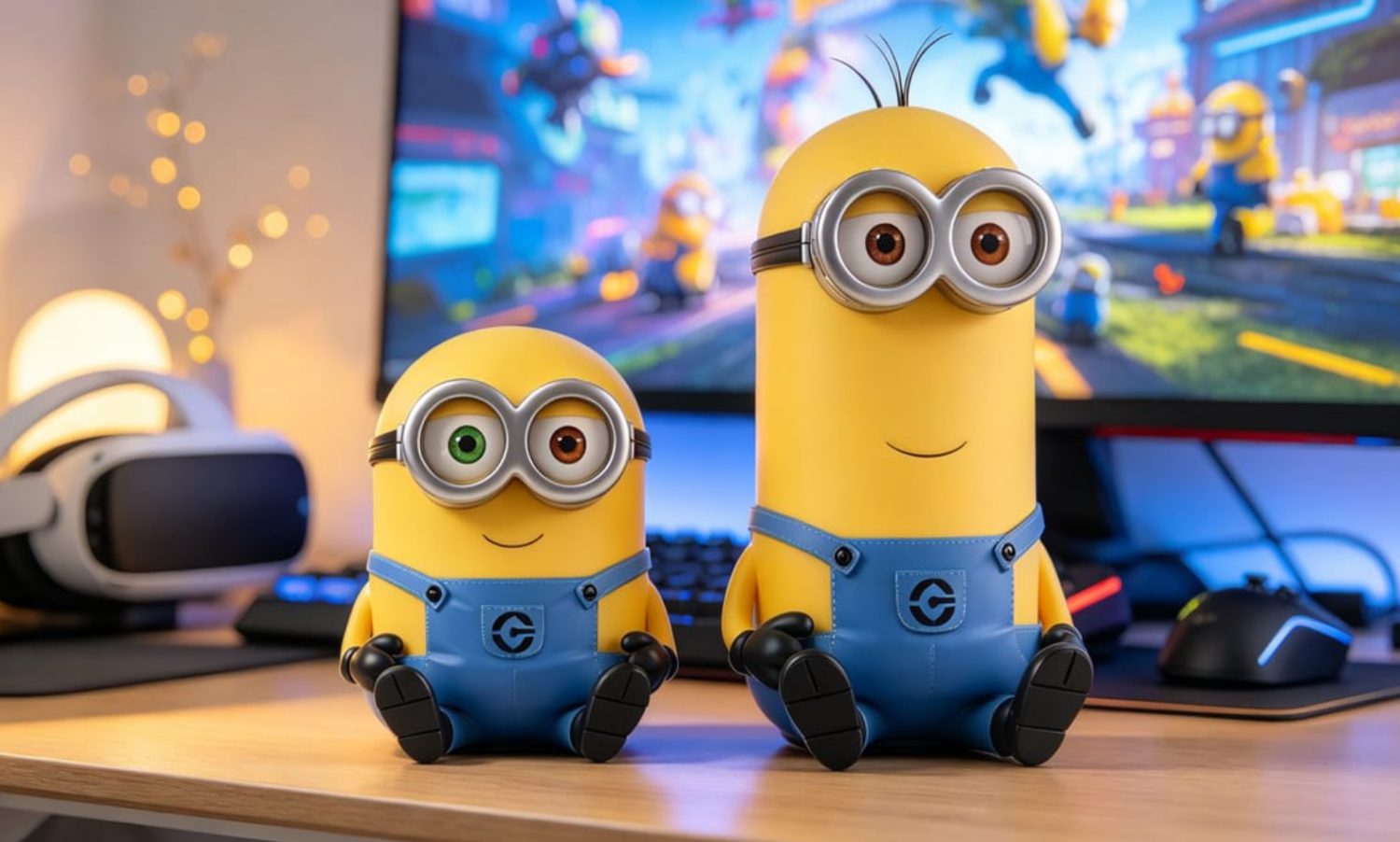
Chinese Tesla drivers have discovered that a miniature figurine positioned just right can trick the car’s cabin camera into believing they’re paying attention while Autopilot handles the driving. According to Wired reporting, these cheap workarounds are flooding Chinese ecommerce platforms for around $20 to $50—a bargain price for defeating millions in safety engineering.
The gadgets come in multiple flavors of deception:
- Tiny celebrity figurines that nod eternally at the windshield
- Static face images
- Lenticular prints that create the illusion of blinking
- Pocket-sized screens playing video loops of attentive drivers
The variety feels like a Black Mirror episode written by Alibaba’s algorithm.
When Safety Updates Backfire
Tesla’s distraction monitoring sparked a cottage industry of counterfeit attention.
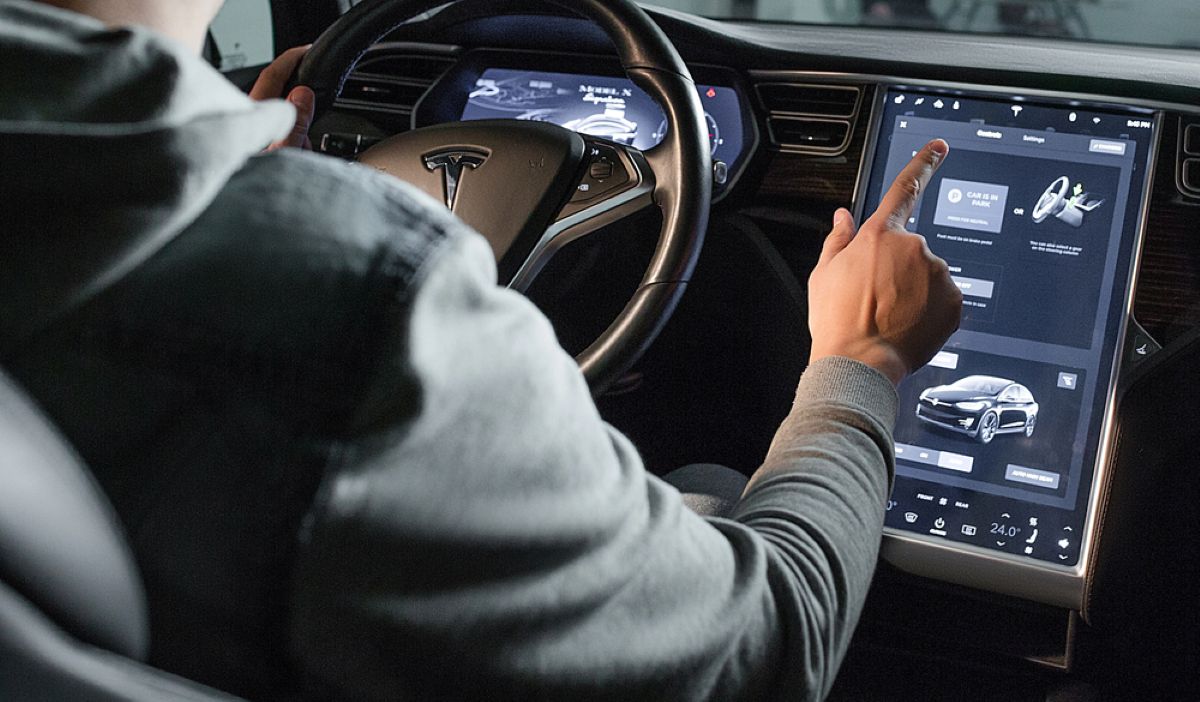
This market exploded after Tesla pushed a software update activating in-cabin distraction monitoring through the camera above the windshield. The system warns drivers, disables Autopilot, or temporarily restricts driver-assistance features when it detects inattentiveness.
Chinese drivers, unable to access Tesla’s Full Self-Driving package, responded by shopping for synthetic focus. Sellers euphemistically market these as “travel companions” or dashboard decorations, though user comments make their intent crystal clear.
The Broader Pattern of Gaming Safety
China’s DIY culture meets the universal urge to outsmart car computers.
The plastic head phenomenon reflects China’s fast-moving ecommerce culture, where solutions appear overnight for problems you didn’t know existed. But it’s also part of a global pattern—Tesla owners worldwide have long tried defeating safety controls with weighted steering wheels and strategically placed oranges.
The difference is scale and sophistication. Chinese platforms offer dozens of variations, complete with user reviews rating which fake faces work best.
The central problem remains unchanged: these workarounds create a false appearance of attentiveness, undermining Tesla’s monitoring system exactly when real oversight matters most. You’re essentially paying twenty bucks to lie to a computer designed to keep you alive. The challenge facing automakers isn’t just technical—it’s the age-old problem of creating truly foolproof systems when human creativity knows no bounds.