Microsoft’s latest platform announcement ditches the app store model entirely. Project Solara isn’t another gadget—it’s Microsoft’s audacious attempt to own the next platform layer after smartphones and PCs. Built on an Android fork called Microsoft Device Ecosystem Platform (MDEP), Solara targets enterprise workflows where workers need AI assistance but can’t always reach for their phones.
Platform Architecture Ditches Windows for Android
Microsoft’s surprising OS choice reveals serious enterprise ambitions.
Solara runs on Android Open Source Project code, not Windows—a telling strategic pivot. The platform layers Microsoft’s agent shell on top of MDEP, integrating directly with:
- Azure
- Microsoft 365
- Intune device management
Multiple AI agents can run simultaneously, orchestrated by a dispatcher that routes tasks appropriately. Think of it as iOS for enterprise AI, but built on Google’s foundation.
Reference Devices Target Frontline Workers
Smart badges and desk hubs demonstrate post-app interaction models.
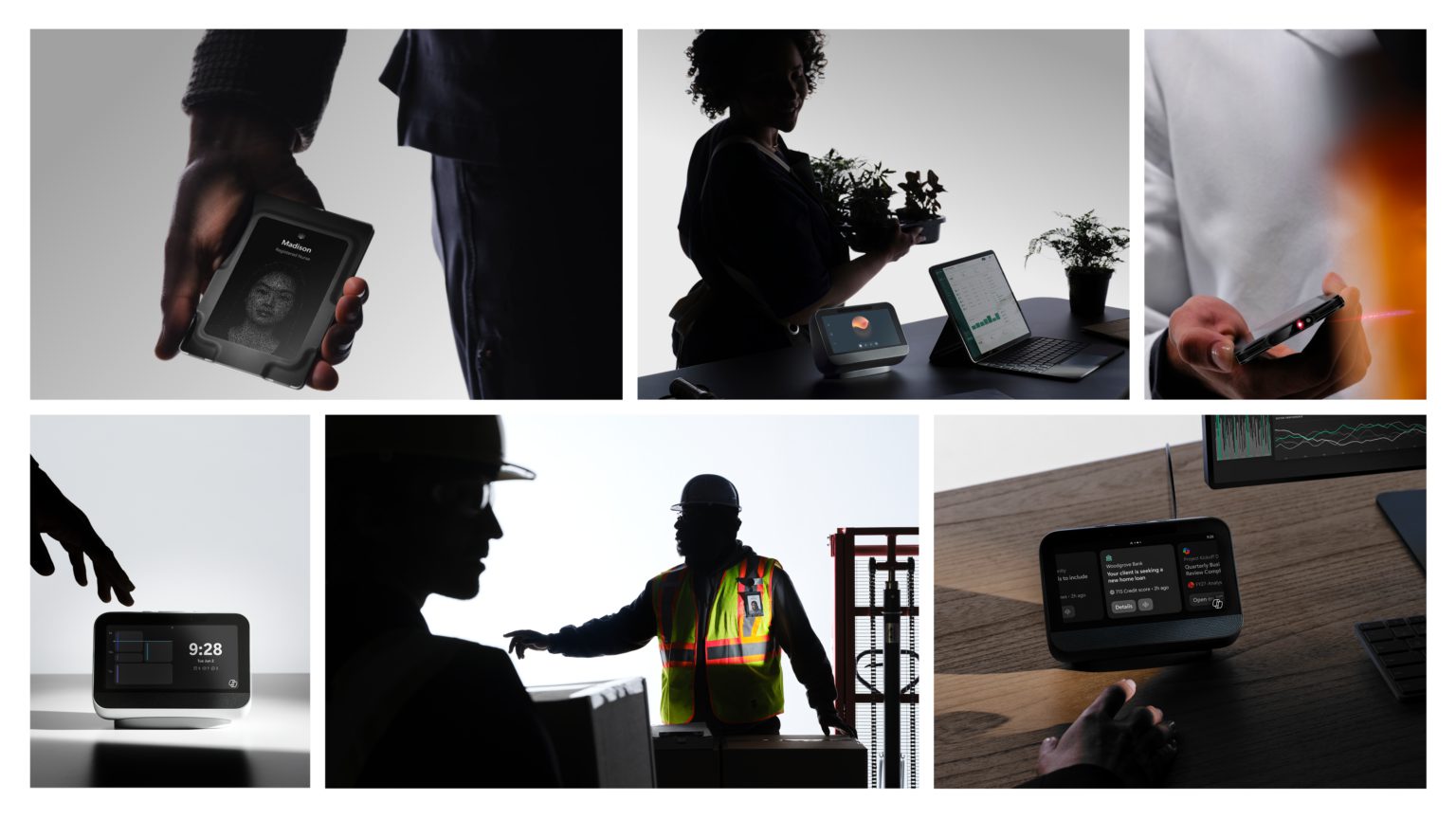
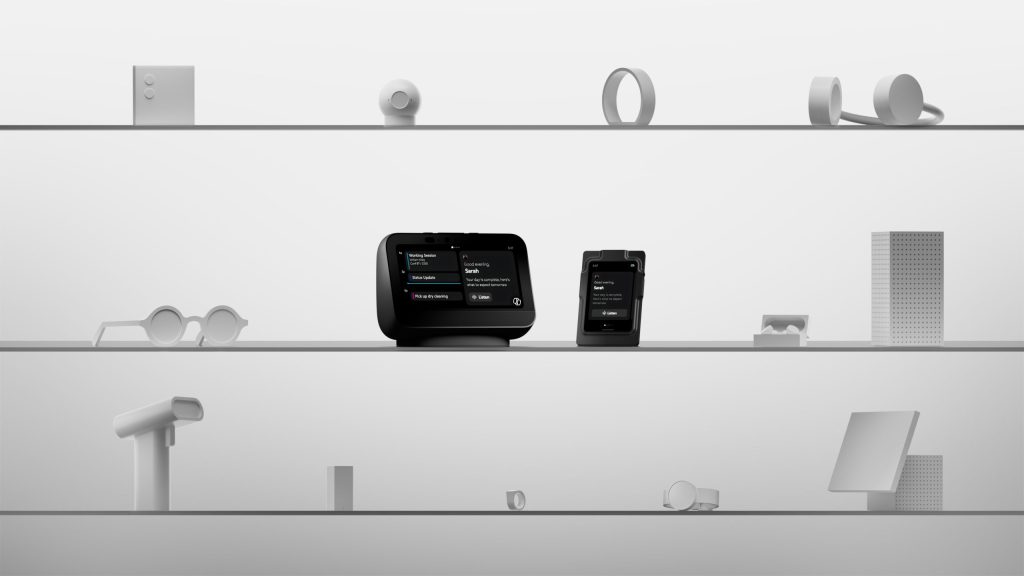
Microsoft showcased two reference designs:
- A wearable smart badge with 5G connectivity, fingerprint sensors, and camera capabilities running on Qualcomm silicon
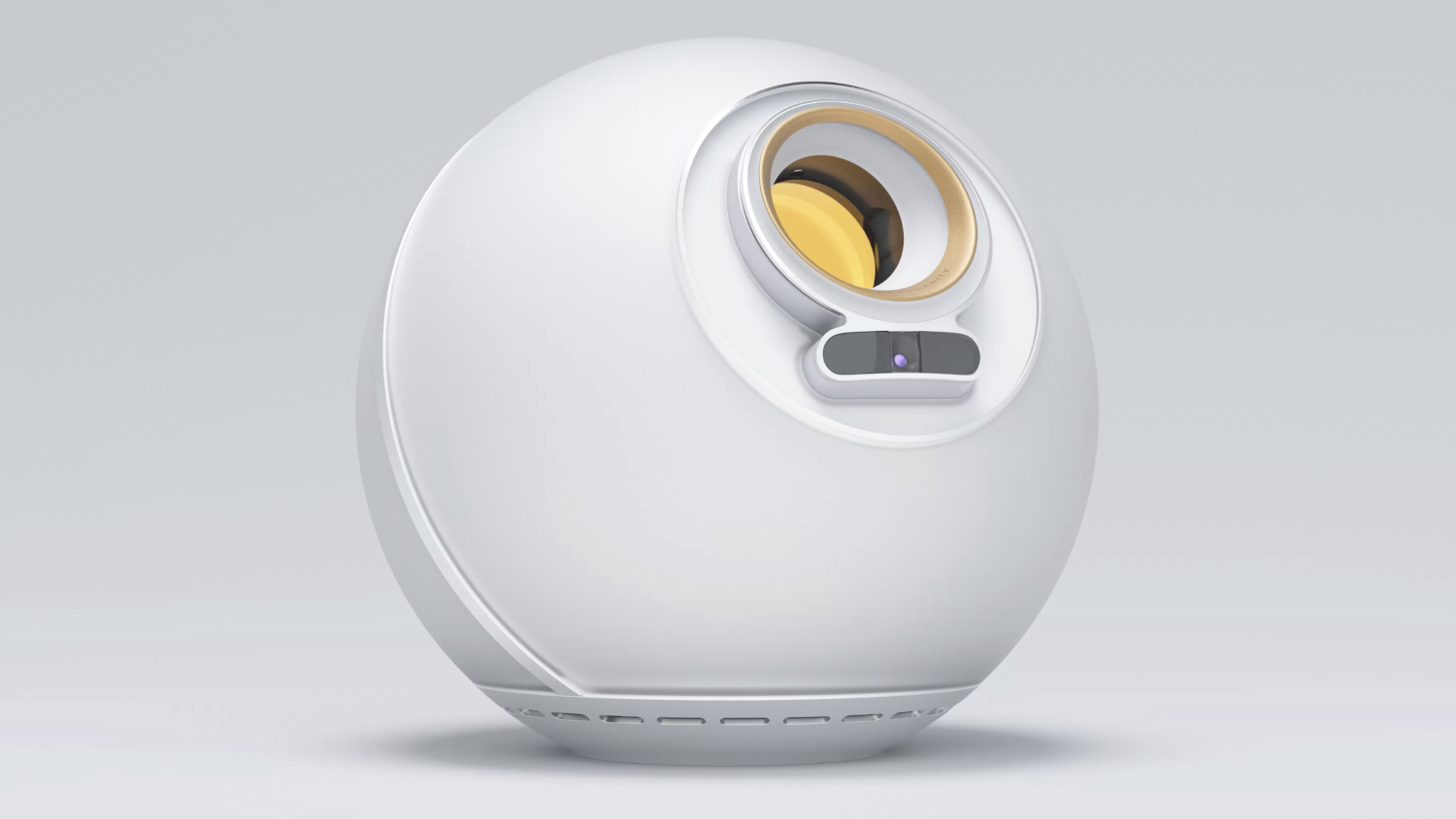
- A desk hub with touchscreen and UWB presence detection powered by MediaTek chips
The badge lets nurses or retail workers access information hands-free, while the hub doubles as a Windows 365 thin client when connected to monitors. These aren’t products Microsoft plans to sell—they’re blueprints for hardware partners.
Enterprise Pilots Signal Market Intent
Major retailers and healthcare systems will test agent workflows.
AccuWeather, Best Buy, CVS Health, Levi’s, and Target have reportedly signed on for pilot programs testing Solara devices in real work environments. As Constellation Research reportedly notes, the platform aims to reach “nooks and crannies where conventional computers either do not exist or are not optimal”—hospital floors, retail stockrooms, field service locations. Microsoft has allegedly deployed hundreds of devices internally to validate the concept.
Full-Stack AI Strategy Challenges Competitors
A platform approach could accelerate enterprise AI adoption.
While competitors focus on agent software, Microsoft is defining the entire stack from silicon partnerships through cloud services. This allegedly mirrors their successful Surface strategy—create reference designs that establish new categories, then let partners iterate. Solara extends Microsoft’s Copilot ecosystem into specialized hardware, potentially driving Azure consumption as organizations adopt agent-driven workflows.
The big question isn’t whether agent-first computing will happen—it’s whether enterprises will embrace yet another device category or demand better smartphone integration instead. Microsoft’s betting that some workflows need purpose-built hardware, not pocket computers. Given their mixed track record with new platforms, that’s either visionary or expensive wishful thinking.