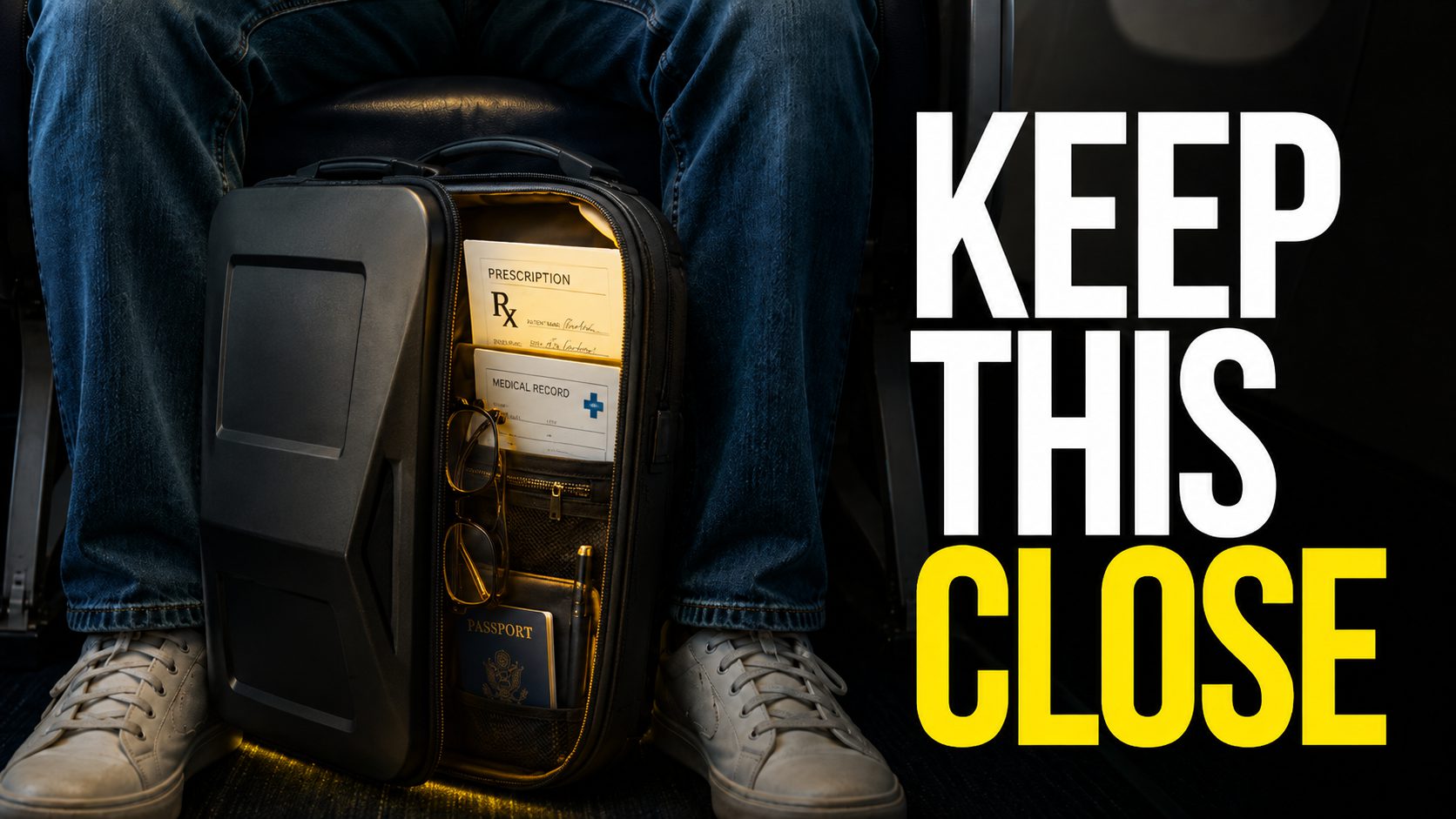
Airlines have a sneaky way of making travelers think they’re prepared, then gate-checking that “essential” carry-on you were so proud of packing. But here’s the secret handshake: your personal item. This isn’t just a purse or a small backpack; it’s your tactical command center for the skies. It’s where the real survival gear goes. This guide breaks down the must-haves that’ll keep you comfortable, connected, and crisis-ready, no matter how many bags get shuffled to the cargo hold.
10. Complete Medication Arsenal
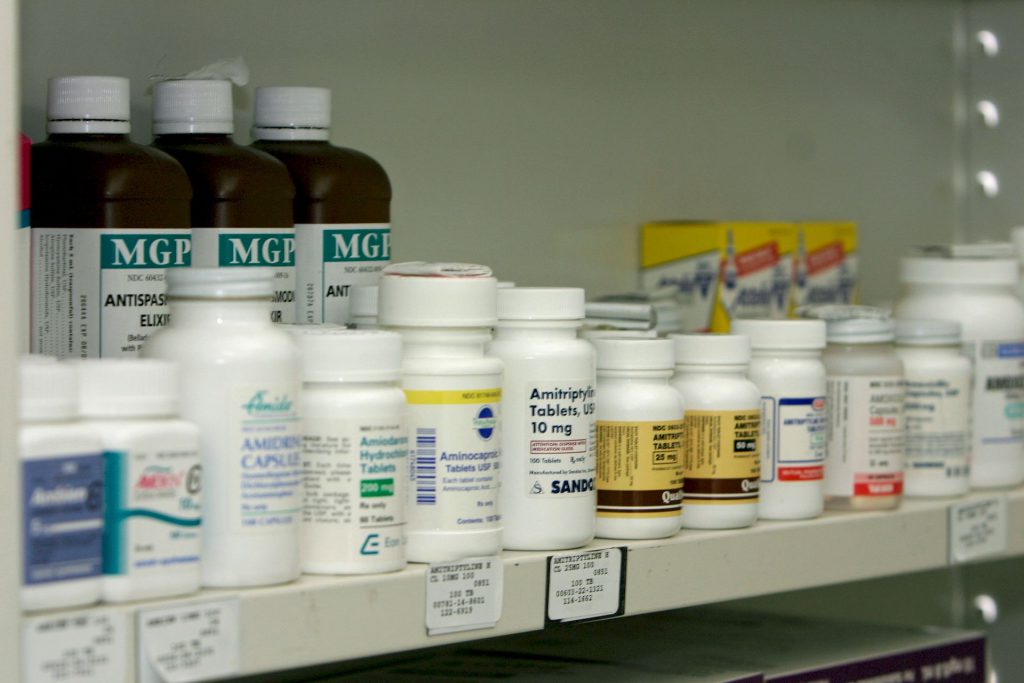
TSA exempts medically necessary liquids from the 3-1-1 rule, giving you pharmaceutical freedom.
Those strict 3.4-ounce limits for liquids? They don’t apply to medically necessary items, including prescription meds and liquid supplements. This is your golden ticket to keeping essential prescriptions accessible even if a flight delay stretches longer than a Netflix binge. While you don’t strictly need a doctor’s note, having one for liquid supplements can make the declaration process smoother than a freshly waxed surfboard.
The trick is to declare these items upfront—tell the security officer they are medically necessary and exempt, and you’ll breeze through. A physical copy of your prescription and a doctor’s note are always smart travel companions, especially if you’re navigating international airports or if your digital records decide to ghost you.
9. Emergency Contact List

Physical backup beats a dead phone when medical emergencies strike at 30,000 feet.
Your smartphone, when it inevitably dies at 30,000 feet, is about as useful as a screen door on a submarine—utterly useless for critical contacts. That’s why a physical, printed emergency contact list is essential. Think of it as your analog backup, a crucial piece of gear that bypasses dead batteries and locked screens.
This vital card should detail your primary care physician, family members, and crucial insurance information, with allergies plastered prominently at the top. Emergency medical staff can access this immediate data, unlike a password-protected device. Laminating it and tucking it into your passport holder ensures it survives the journey.
8. Power Bank Positioning

Keep your portable charger in your personal item to avoid gate-check confiscation.
Power banks are treated as spare lithium batteries and are prohibited in checked baggage under hazardous materials rules. They must be in carry-on or personal item only. To sidestep potential issues, always stash your power bank in your personal item—the one that rides with you in the cabin.
Most airlines limit power banks to 100 Wh, so a 20,000 mAh unit is usually right in the sweet spot. If your power bank powers essential medical devices, keeping organized electronics readily accessible helps speed security screening. Remember: lithium-ion batteries must be in your carry-on, never in checked luggage.
7. Prescription Eyewear and Backups
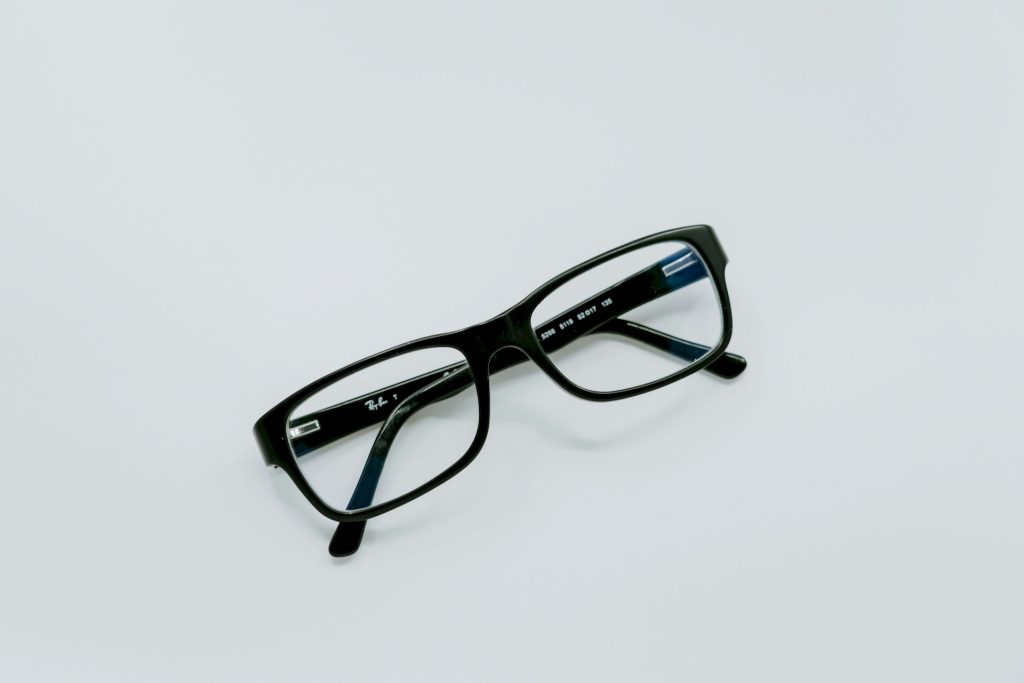
Airlines exclude liability for fragile items, making backup glasses essential insurance.
Airlines are notoriously good at absolving themselves of responsibility for anything fragile you check or stow overhead. If your carry-on gets gate-checked, losing your prescription glasses means you’re effectively flying blind, especially abroad where replacements can be costly and time-consuming.
This is precisely why your primary pair, reading glasses, and prescription sunglasses belong in your personal item. The real power move? Tuck in a backup pair. Over-the-counter reading glasses in the +1.00 to +3.00 diopter range make perfect emergency backups for screen time.
6. Collapsible Water Bottle and Small Thermos

TSA permits empty bottles through security for free post-checkpoint hydration.
Airport water pricing can hit wallet-busting levels, making a reusable water bottle essential for avoiding high beverage costs. A wide-mouth collapsible water bottle is your ticket to free, continuous hydration—just fill it post-security at fountains or retailers.
Even better, pack a small thermos. Flight attendants can provide hot water, perfect for tea, coffee, or instant meals during delays. Maintaining proper hydration is especially important for older adults during flights to reduce risks of dizziness and circulation issues.
5. Travel Insurance Documentation

Physical copies prevent claim delays when digital access fails abroad.
Insurance providers commonly require proof of coverage, itinerary, and medical documentation for claims. Missing documentation causes frequent delays or denials. Print copies of your insurance policy, credit card benefits, and Medicare cards. Stash them in your personal item where they’ll stay accessible.
Snap photos of everything before you leave and email them to yourself; create a dedicated phone album with policy numbers and emergency contacts. This digital safety net provides redundancy if physical papers are lost or damaged.
4. Complete Backup Outfit
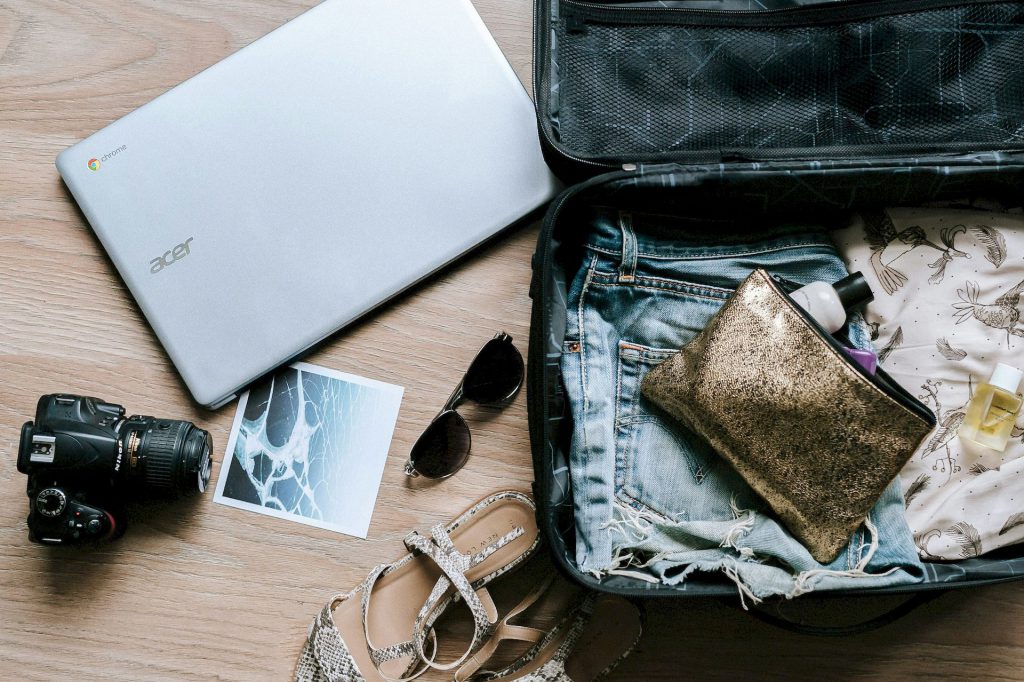
One full change prevents wallet-busting replacement costs after spills or delays.
Spills happen, especially on flights—it’s not just clumsiness, but cramped aisles and rushed service. Pack a complete change of clothes: underwear, a shirt, pants, and socks. Opt for dark, wrinkle-resistant, quick-dry fabrics that pack small and hide stains.
Rolling items into a large resealable plastic bag saves space and acts as a waterproof barrier. For older adults and those with temperature-regulation issues, remaining in wet clothing for extended periods increases discomfort, making a dry backup outfit particularly important.
3. Anti-Theft Bag Security
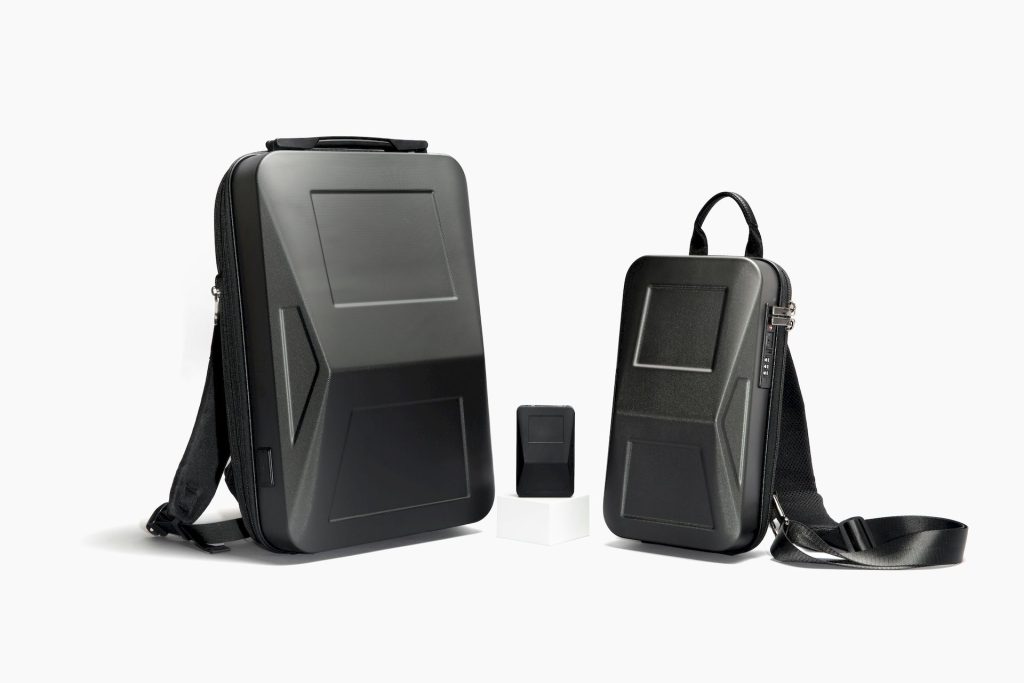
Image: Unsplash
Simple deterrents like zipper clips reduce opportunistic theft during boarding chaos.
Travel security experts suggest using bags with lockable zippers or adding small carabiners or zipper pulls to deter casual theft. These simple deterrents can stop opportunistic snatch-and-grab attempts, especially when you’re busy navigating the boarding chaos.
Keeping your valuables in interior or hidden pockets, rather than exterior ones, is key. While flight attendants can help if alerted, the ultimate responsibility for your belongings falls on you. Secure those zippers and keep important items in your personal item stashed under the seat.
2. TSA Medical Equipment Exemptions
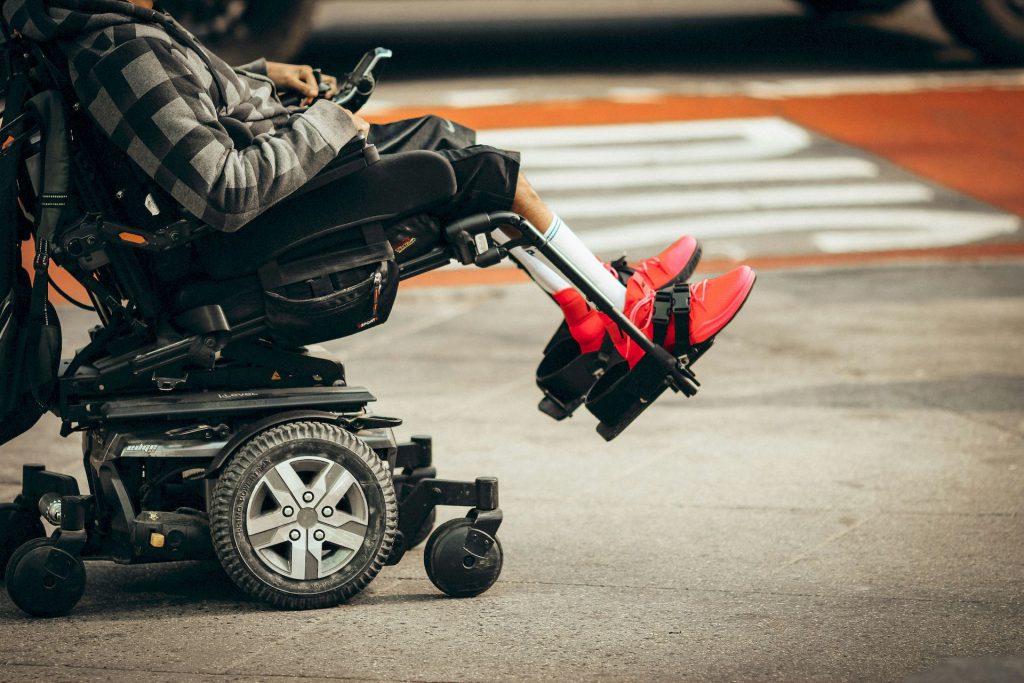
Medical devices receive special screening procedures and accommodation at checkpoints.
TSA maintains a broad list of medical devices that receive special screening. Items like CPAP machines, mobility aids, and breast pumps are allowed through security with specific procedures. Passengers should separate these items, notify officers before screening, and may request visual inspection instead of X-ray.
Carrying documentation describing your device and medical need isn’t mandatory, but can significantly reduce disputes and delays. You can contact TSA Cares before travel to discuss your specific needs and arrange for assistance at the checkpoint.
1. Medicare Travel Documentation
Carry Medicare cards and contact information for proper emergency billing abroad.
Original Medicare covers emergency care in U.S. territories but has very limited foreign coverage. Medicare Advantage and Medigap plans may offer additional foreign-travel emergency coverage. Review your plan’s coverage details and contact customer service before travel to confirm emergency and out-of-area rules.
Carry your Medicare card, any Medicare Advantage or Medigap card, and insurer emergency contact information while traveling. Because Medicare’s foreign coverage is limited, consider supplemental travel medical insurance when traveling outside the U.S.—it’s the travel hack your future self will thank you for.