From grand estates of the 1920s to the opulent homes of the 1970s, some luxury features were less about smart design and more about shouting your wealth. These epic fails were born from ambition and, honestly, maybe a little too much money and too little foresight. We’re talking about features that sounded amazing on paper but turned into maintenance headaches, safety hazards, or just plain obsolete relics. Get ready to peek behind the velvet ropes at the extravagant home additions that went spectacularly wrong.
9. Rooftop Tennis Court

These elevated courts demanded more than most buildings’ roofs could handle.
The idea of a private rooftop tennis court high above the urban sprawl sounded like pure luxury back in the 1920s and ’30s. Architects in Manhattan and Beverly Hills figured, why not use that “free” rooftop space? However, these elevated courts demanded structural loads of 50–100 pounds per square foot, often exceeding what building foundations could handle long-term. Within a few years, cracks appeared from thermal expansion and vibration, turning these lofty courts into leaky nightmares that flooded apartments below.
Early installations used rigid concrete surfaces that couldn’t flex with temperature changes or player movement. The result? Water intrusion became a persistent problem, leading to sky-high repair bills and insurance companies backing away faster than a bad backhand. By the 1940s, these rooftop dreams had practically vanished overnight.
8. Private Residential Bowling Alley
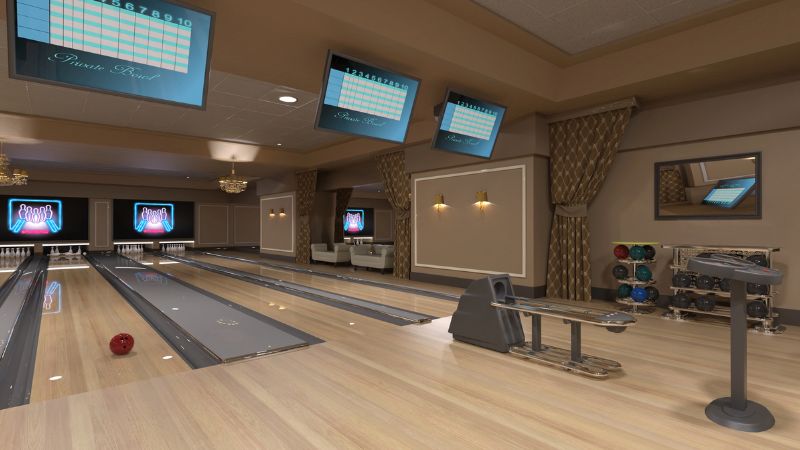
These aren’t just fancy rec rooms; they’re complex electro-mechanical operations requiring constant maintenance.
The White House installed a two-lane bowling alley in 1947 for President Truman, later used by President Nixon, proving these were the ultimate mid-century status symbol. The dream of endless strikes at home was compelling, but those commercial-grade pinsetters are notorious divas. These machines demand specialized technicians, regular oiling, and serious ventilation to handle noise and dust.
A regulation lane needs about 86 feet from foul line to back wall, plus isolation from the main house to contain vibration. The annual upkeep could easily rival a small business’s budget. Within a decade, many of these extravagant installations were converted into home theaters or gyms, proving that sometimes the best strikes happen at the public alley.
7. Central Vacuum System
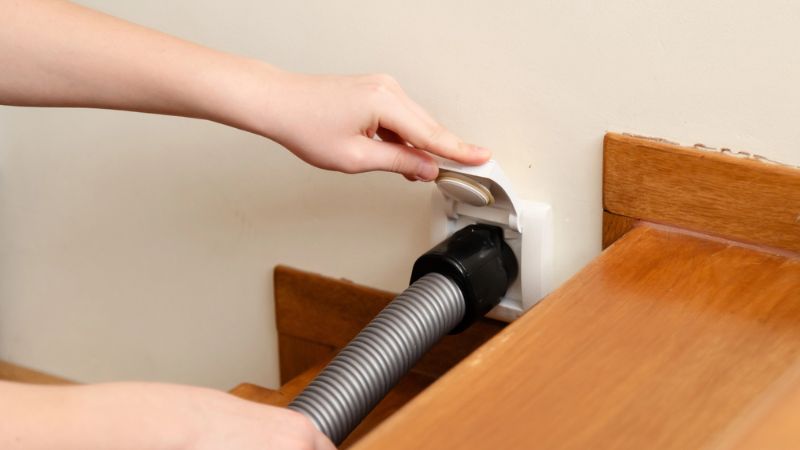
Clogs in hidden tubes meant suction plummeted, and chasing down those issues often required tearing into walls.
Promoted in the 1960s as the futuristic pinnacle of home cleaning, Central Vacuum System promised superior suction by routing PVC tubing through walls to a remote power unit. The concept seemed brilliant—dust literally vanishes into the walls, with exhaust vented outside. Installation was straightforward during new construction, but retrofitting into existing homes meant invasive, expensive routing of rigid tubing.
The real kicker? Cracked pipes within walls necessitated disruptive repairs, often requiring demolition of finished surfaces. Plus, those hoses proved heavier than a toddler and more unwieldy than promised. Despite costing a premium, many homeowners abandoned these systems for simpler cleaning solutions.
6. Conversation Pit

These recessed havens presented their own set of hazards, especially when lighting dimmed or parties got lively.
By the time accessibility standards became commonplace in the 1980s, these sunken spaces were nearly impossible to include in new builds. The concept, while visually striking, ultimately couldn’t overcome basic safety and accessibility hurdles.
5. Whole-Home Intercom System
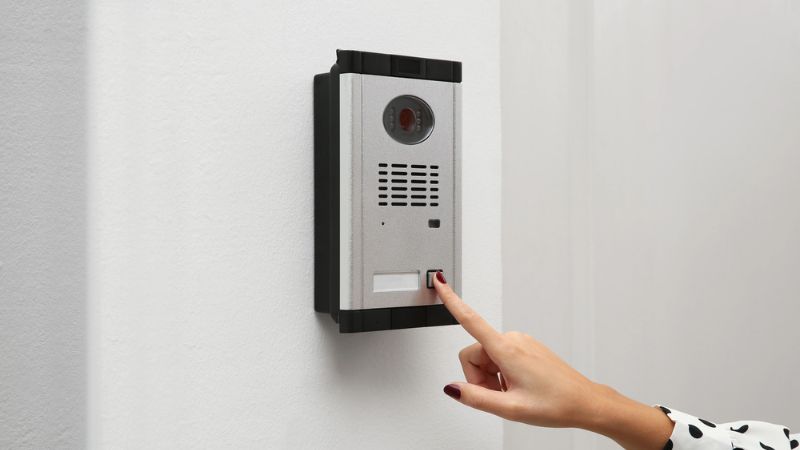
Hitting the wrong button could broadcast your deepest secrets to the entire house.
These hard-wired intercom systems, popular in homes built between the 1960s and 1980s, promised seamless communication throughout the house. Picture calling down for dinner from your bedroom without yelling, or alerting everyone when the doorbell rang. It sounded like something straight out of The Jetsons.
The reality was often crackling audio from aging wiring and speakers, turning conversations into garbled messes. Plus, mis-pressed buttons could broadcast private chats to the entire house, essentially turning your home into a low-budget reality show. These systems became utterly redundant once cordless phones, then mobile phones, put communication in everyone’s pocket.
4. Glass Block Exterior Walls
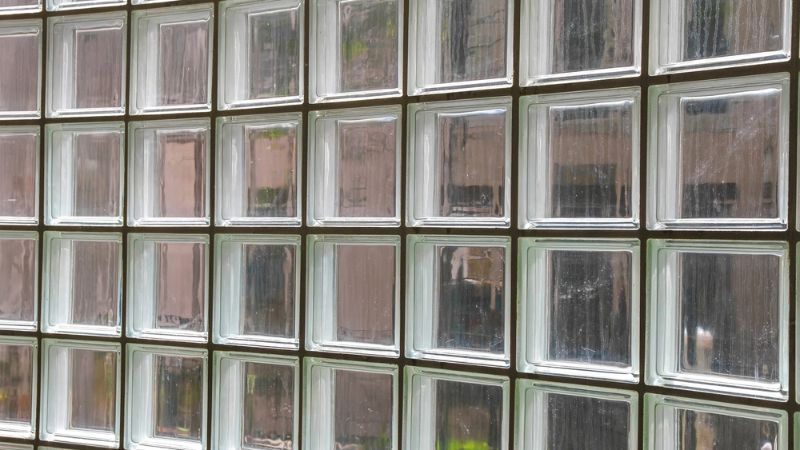
Replacing a single cracked block proved to be a nightmare, often compromising the entire wall’s aesthetic.
Glass Block Exterior Walls promised sleek facades and light-filled interiors when they became popular in the 1930s and again in the 1980s. These translucent walls let in diffused light while keeping details private. However, their impractical side quickly revealed itself. Individual blocks are thick glass units, usually 8x8x4 inches, mortared together.
Thermal performance lagged far behind modern double-glazed windows, and fitting standard frames was a persistent headache. Labor-intensive cleaning of mortar joints and eventual cracking made these a high-maintenance headache disguised as architecture. One damaged unit could compromise an entire wall’s appearance.
3. Built-in Aquarium Wall
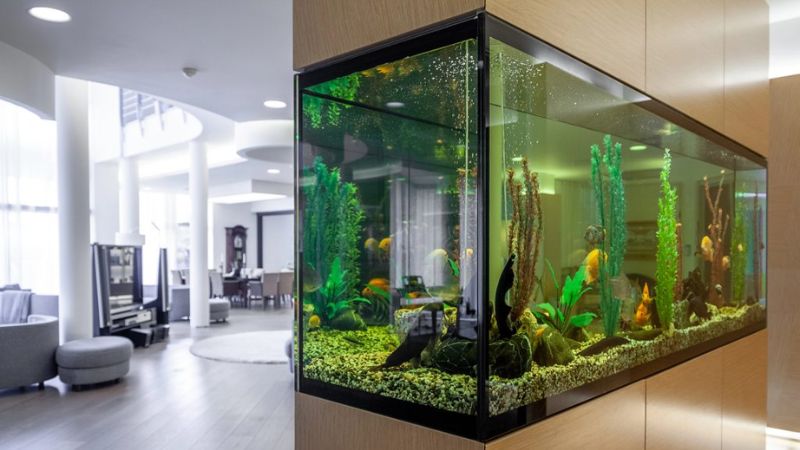
A breach could turn your mansion into an indoor water park, and not in a fun way.
Those massive floor-to-ceiling aquarium walls, the ultimate flex in ultra-luxury homes starting in the ’90s, were basically private zoos requiring more maintenance than a toddler on a sugar rush. Housing thousands of liters of water and delicate marine life meant precise temperature control, advanced filtration, protein skimming, and regular water chemistry testing.
The massive glass or acrylic panels were engineered for hydrostatic pressure, but failure could release hundreds of gallons into living spaces within minutes. Some high-profile failures cost more to remove than the original installation due to demolition, water damage repair, and structural modifications.
2. X10 Home Automation System
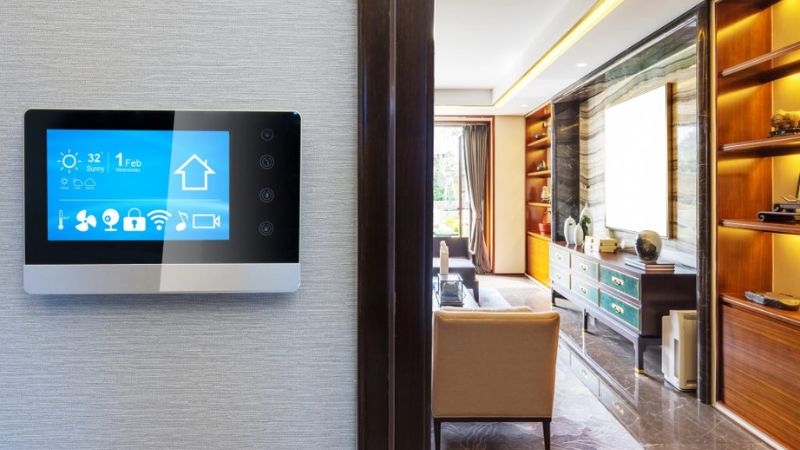
This digital whisper network led to lights flickering on at 3 AM or your neighbor accidentally triggering your entire smart home setup.
Introduced in 1975, X10 promised a future where anyone could control lights and appliances using existing electrical wiring. The system sent control signals at 120 kHz over powerlines, with each device getting a house code and unit code. Builders loved slapping a “smart home” label on luxury properties and charging a premium.
The technology proved as reliable as a chocolate teapot in July. Electrical noise constantly interfered with signals, they weakened in larger homes, and lacked encryption—meaning neighbors on the same transformer could accidentally control your devices. While once hailed as cutting-edge home tech, most installations are now completely dead or permanently disabled.
1. Basement Indoor Swimming Pool
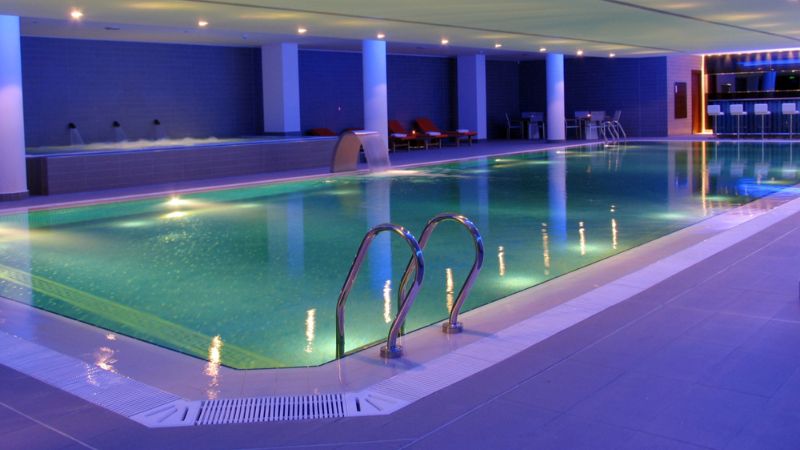
This constant moisture saturated everything, eventually creeping upstairs like an unwelcome houseguest.
Splashing around in your own private pool sounds dreamy, but for many homeowners in the 1970s through 1990s, basement indoor swimming pool turned into soggy nightmares. These opulent features could cost $200,000 to $500,000 to install. The problem wasn’t the swimming—it was the relentless humidity these enclosed aquatic zones pumped out.
Heated pools in enclosed spaces generate chloramine-laden air that corrodes metal, damages wood framing, and promotes mold without specialized HVAC and dehumidification systems. Even industrial-grade dehumidifiers, running annual bills comparable to commercial facilities, struggled to keep dampness in check. The result? Expensive structural damage that made personal pools feel less like luxury and more like costly hazards.