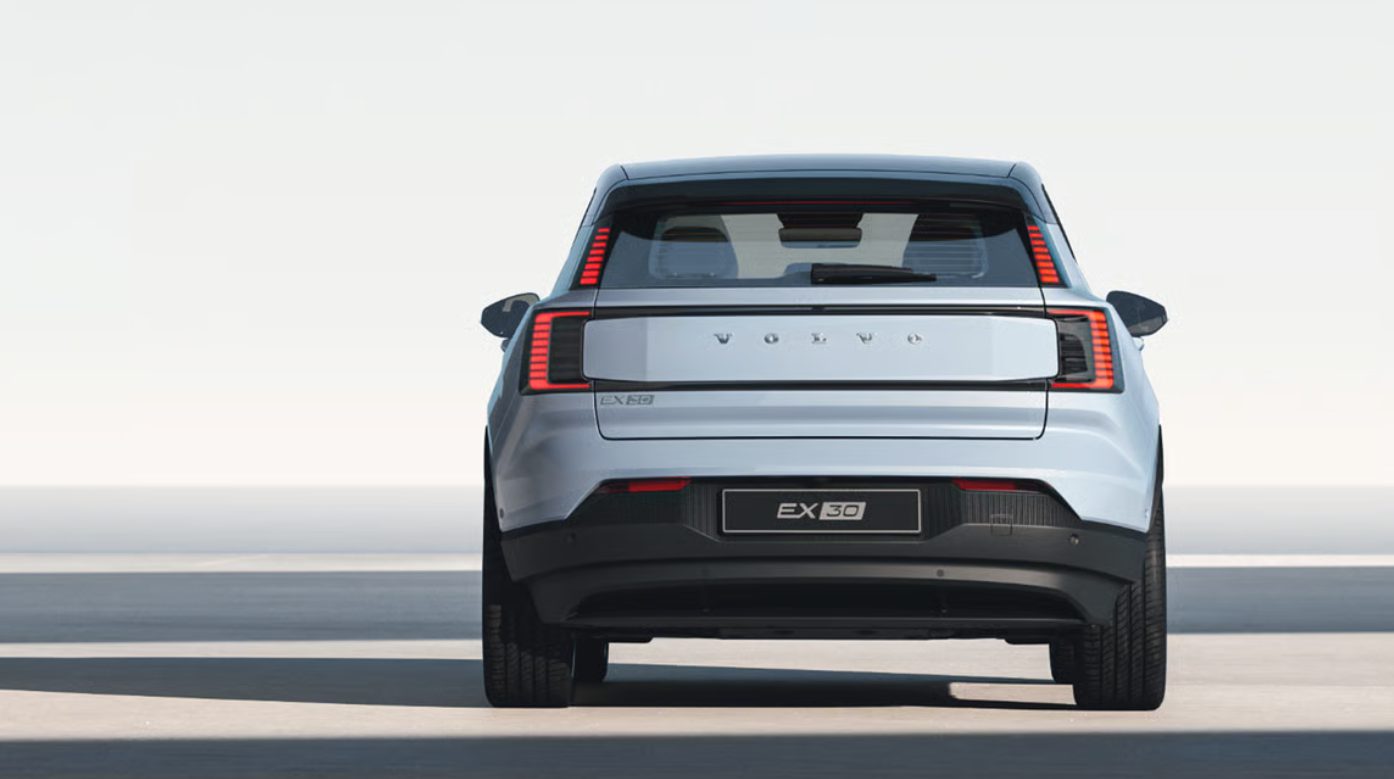
Your next Volvo purchase almost became a casualty of U.S.-China tech tensions. The Trump administration just granted Volvo Cars a special exemption from sweeping new rules that ban connected vehicles with Chinese technology links—a decision that preserves your access to fully-featured Swedish luxury while other brands face uncertain futures.
The Broader Crackdown Explained
Starting with 2027 model years, new U.S. rules prohibit selling vehicles whose connected software comes from Chinese or Russian companies.
The ban expands to hardware components by 2030, covering everything from Bluetooth modules to the telematics that enable over-the-air updates. Think of it as the automotive equivalent of the Huawei telecom ban—but affecting the tech inside your daily driver.
The Commerce Department’s January 2025 rule targets genuine security risks. Connected cars collect massive amounts of location and behavioral data while maintaining constant internet connections. Officials worry that Chinese-controlled systems could enable espionage or, in extreme scenarios, remote interference with U.S. transportation infrastructure.
Why Volvo Needed This Lifeline
Despite its Swedish heritage, Volvo has been majority-owned by China’s Geely since 2010.
The automaker incorporates Chinese-linked components and software across its lineup due to this ownership structure. Without intervention, Volvo would have faced a difficult choice: completely re-engineer its tech stack for U.S. models or potentially exit the American market entirely.
The Commerce Department’s special authorization followed what Volvo called “constructive discussions” about governance and data security. While specific conditions remain confidential, the approval suggests Volvo satisfied U.S. security requirements regarding its connected systems.
What This Means for Car Shoppers
You can still buy that EX90 electric SUV with the connected features you expect.
Volvo’s South Carolina factory continues expanding production, adding the XC60 crossover and moving all Polestar 3 assembly stateside. Your connected features—from smartphone mirroring to advanced driver assistance—remain available across the lineup.
Other automakers are watching closely. This sets precedent that Chinese-owned brands aren’t automatically blacklisted if they satisfy U.S. security reviews. However, officials stress this doesn’t guarantee approvals for other companies.
For now, your car shopping decisions can focus on performance and preferences rather than geopolitical complications. The exemption ensures Volvo buyers won’t lose access to the connected experience that defines modern luxury vehicles.