Federal EV incentives may be shrinking, but America’s two largest jurisdictions aren’t backing down. New York City and Los Angeles County just announced a “bicoastal bridge” partnership to coordinate electric vehicle purchases and pBressure automakers to keep investing in EV platforms. When your biggest customers start shopping together, you pay attention.
The Numbers Behind the Alliance
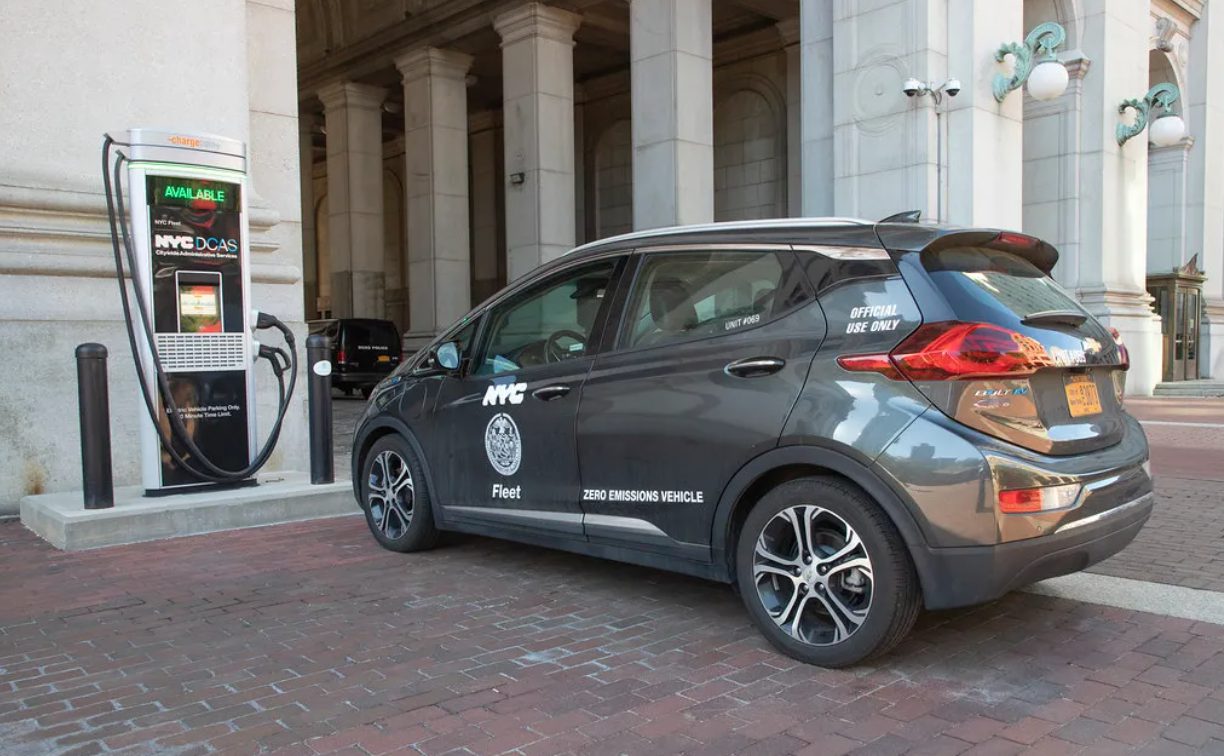
This isn’t just symbolic cooperation. NYC currently operates 5,800 battery-electric vehicles and 4,700 hybrids across its municipal fleet—everything from police cruisers to garbage trucks. The city must convert all light- and medium-duty vehicles to electric by 2035, with heavy trucks following by 2038.
Meanwhile, LA County aims for 100% fleet electrification by 2045, replacing roughly 20,000 vehicles. Currently, the county operates only 600 fully electric vehicles and 350 plug-in hybrids. Together, they’re signaling demand for tens of thousands of EVs—the kind of volume that gets boardrooms’ attention.
The Missing Vehicle Problem
Here’s where things get interesting. US manufacturers still don’t make electric versions of:
- Passenger vans
- Fire department pumper trucks
- Snow-capable vehicles that NYC needs for winter operations
It’s like trying to go fully streaming when half your favorite shows aren’t available online yet.
Keith Kerman, NYC’s fleet chief, acknowledges the challenge: “There have been a series of announcements that are concerning to us… There are headwinds for electrification in the United States right now.” The partnership aims to solve this by telling automakers exactly what they need and when they’ll buy it.
Infrastructure Reality Check
NYC operates about 2,500 charging ports—the largest government network in New York State—but officials admit they need “lots more” as electrification accelerates.
Charging costs vary significantly:
- Level 2 chargers: $0.20-$0.35 per kWh in NYC versus $0.18-$0.30 in LA
- Fast charging: $0.30-$0.40 in both cities
Beyond hardware, there’s the human factor. Workers need retraining for high-voltage systems, and NYC’s union recently negotiated agreements governing how vehicle telematics data gets used in disciplinary cases.
Local Action, National Impact
Kerman’s blunt assessment captures the moment: “I regret every electric and hybrid vehicle we haven’t bought yet,” noting how EVs would have cushioned fuel price spikes. The partnership represents more than cost savings—it’s about maintaining momentum when federal support weakens.
If successful, other major cities could join the bloc, creating quasi-standard requirements for municipal EVs. That kind of coordinated demand might finally convince manufacturers that electric fire trucks and snowplows aren’t niche products, but essential infrastructure for America’s clean energy future.