So, you’re walking a drainage ditch on a Tuesday morning, checking for storm debris and erosion like you have for years. Then you spot an industrial pipe you’ve never seen before, pumping dark liquid into the waterway you’re responsible for maintaining. That’s exactly what happened to workers from Nueces County Drainage District No. 2 near Robstown, Texas—and it’s raising uncomfortable questions about what “clean lithium” actually means.
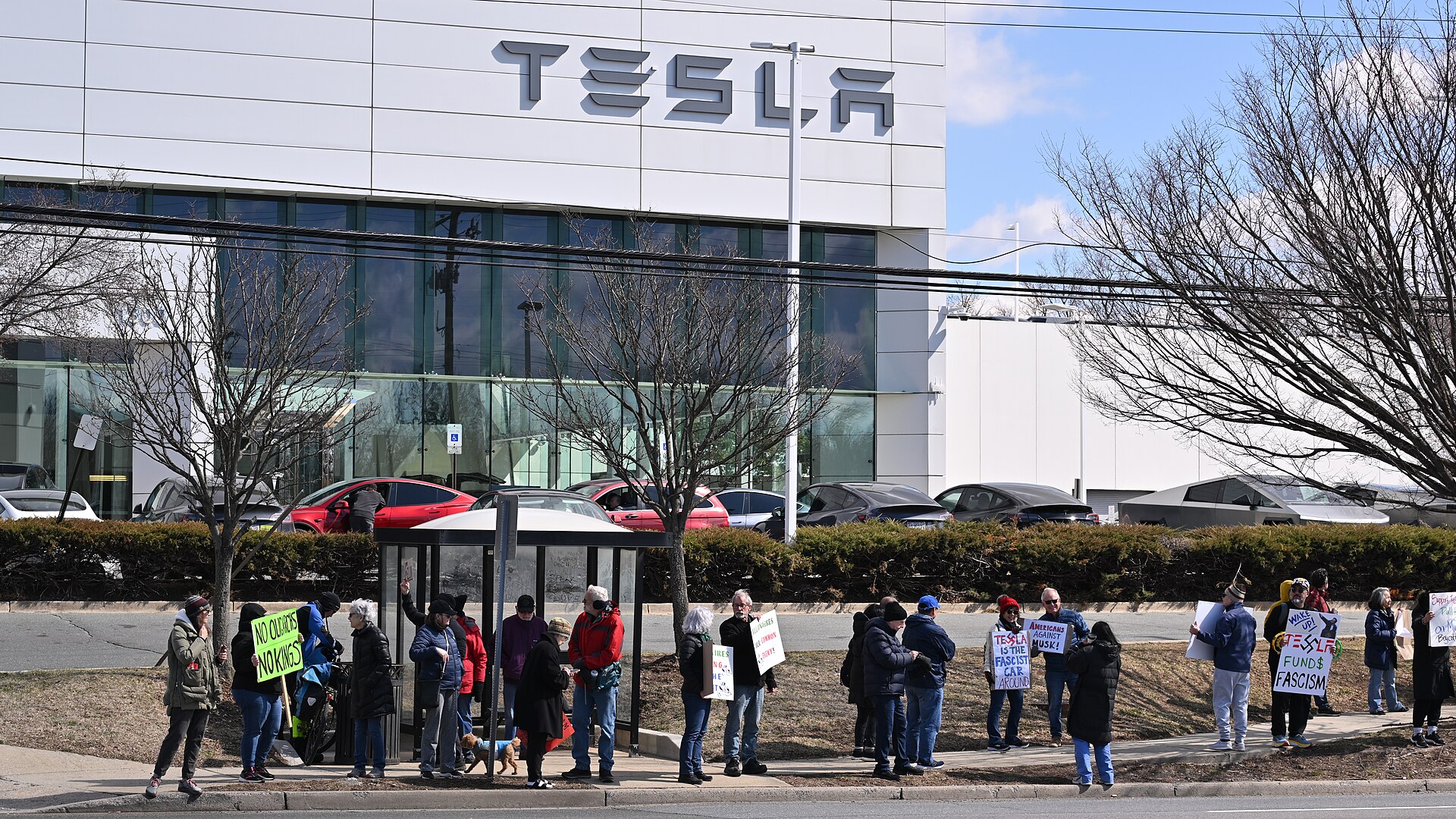
The pipe belonged to Tesla’s nearly $1 billion lithium refinery, a facility Elon Musk has championed as proof that domestic battery material production can be environmentally responsible. Steve Ray, a spokesperson for the drainage district, described the discharge as “very dark and murky”—what he’d “actually call it black.” This wasn’t the clear, benign runoff Tesla had promised from their supposedly acid-free refining process.
Here’s where things get interesting. Tesla holds a valid Texas wastewater permit allowing them to discharge up to 231,000 gallons daily of treated wastewater. When state regulators investigated in February, they found Tesla in full compliance—but only tested for conventional pollutants like dissolved solids and chlorides. Nobody checked for heavy metals or lithium itself.
The drainage district commissioned independent testing that told a different story. Lab results revealed:
- Hexavalent chromium at detectable levels—the same carcinogen that made Erin Brockovich famous
- Arsenic and elevated lithium levels
- A cocktail of metals that engineers described as a “fingerprint” linking the contamination directly to Tesla’s battery processes
None of these substances appear on Tesla’s permitted pollutant list.
Tesla maintains they’re following all permit requirements and questions the sampling methodology. But the broader issue isn’t technical compliance—it’s whether current regulations adequately define “clean” for an industry racing to electrify transportation. The discharge flows into waterways that feed Baffin Bay, a popular fishing destination, while nearby Corpus Christi faces an imminent water emergency due to persistent drought.
For EV buyers who chose electric vehicles specifically for environmental reasons, this incident highlights an uncomfortable reality: the supply chain powering your clean conscience might not be as pristine as advertised. When local drainage workers accidentally discover what regulators never looked for, it raises questions about transparency in America’s green energy revolution.