Your Canvas login page displaying a ransom note instead of your final exam wasn’t a nightmare—it was reality for millions of students in May 2026. Instructure, the company behind the ubiquitous learning platform, made a controversial decision that has educators and cybersecurity experts divided: they paid the hackers.
The Exam Day Nightmare
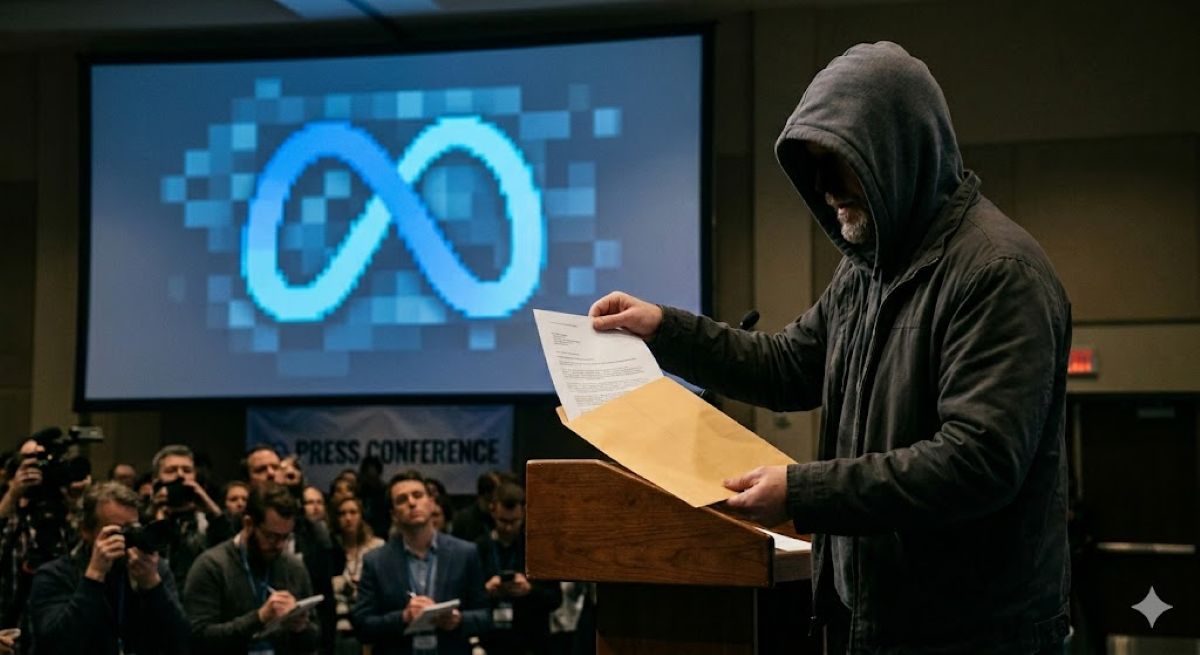
The chaos unfolded during peak exam season when ShinyHunters, a notorious cyber-extortion group, twice breached Canvas systems within weeks. After Instructure initially tried patching vulnerabilities without negotiating, the hackers struck again on May 7, defacing login pages with ransom notes visible to all users.
Students at Mississippi State were literally kicked out mid-essay when the demands appeared, leaving them scrambling to recover lost work. Picture trying to finish your senior thesis only to see “PAY UP OR WE LEAK EVERYTHING” flash across your screen—academic anxiety meets computer problems in the worst possible way.
The Devil’s Bargain
ShinyHunters claimed they’d stolen 3.65 terabytes of data from roughly 275 million users across 8,809 institutions—including billions of private messages between students and teachers. On May 11, Instructure announced they’d “reached an agreement” with the attackers, receiving “digital confirmation of data destruction” in exchange for an undisclosed sum.
The company acknowledged going against law enforcement advice but argued it was necessary to protect users from potential extortion. “While there is never complete certainty when dealing with cyber criminals, we believe it was important to take every step within our control to give customers additional peace of mind,” Instructure stated.
Why Security Experts Are Furious
Law enforcement agencies worldwide advise against ransom payments because they fuel more attacks and offer zero guarantees. When UK authorities later hacked the LockBit ransomware group, they discovered stolen data hadn’t been deleted despite victims paying for supposed “destruction.”
Security experts warn that companies who pay often end up on informal “sucker lists” among criminal networks, marking them for future targeting. Canvas serves 41% of North American higher education, making this breach a wake-up call about concentrated educational infrastructure.
A class-action lawsuit filed May 13 suggests the legal reckoning has just begun. The next time you log into Canvas, remember: your private academic conversations were once worth millions to cybercriminals, and there’s no guarantee they’re actually gone.