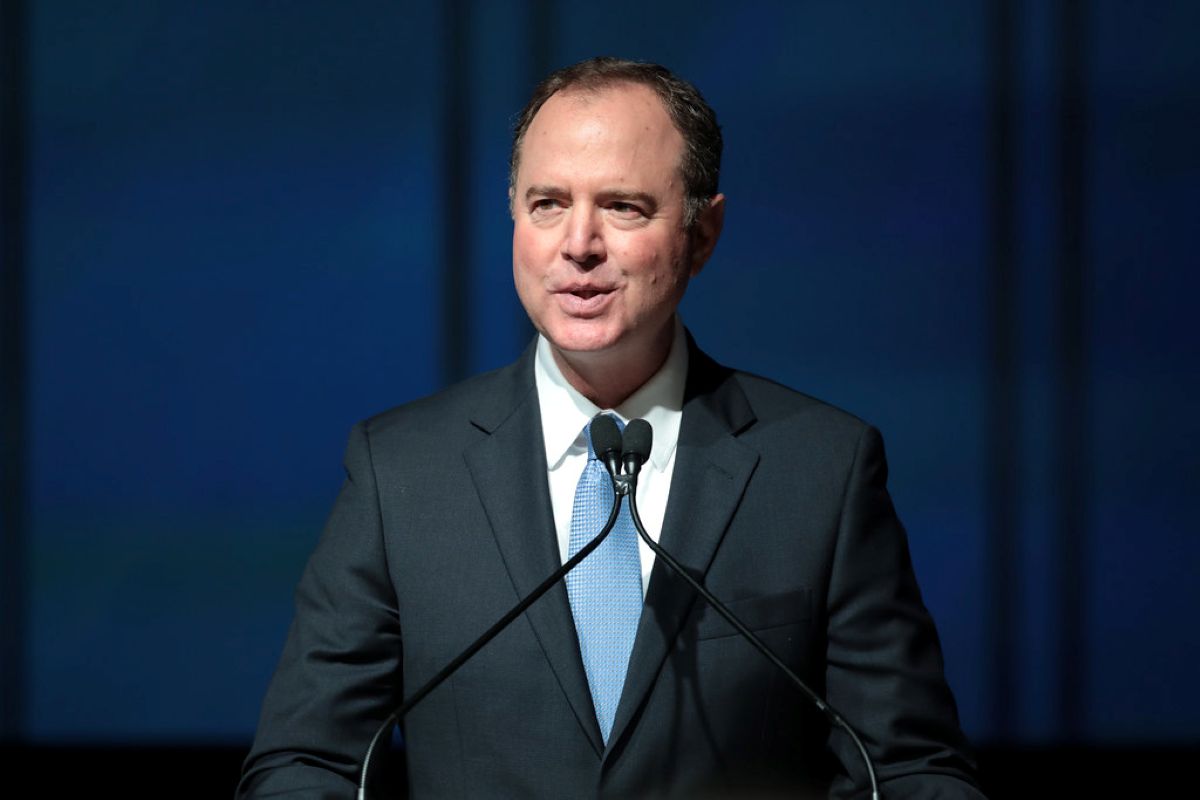
Picture this: your monthly electric bill jumps another twenty bucks because Meta needs to power its latest AI data center. Sound unfair? Sen. Adam Schiff thinks so too. The California Democrat is pushing legislation that would force massive data centers to “bring their own power” instead of sticking you with the infrastructure tab.
Schiff’s proposed “Energy Cost Fairness and Reliability Act“ targets data centers consuming more than 50 megawatts—enough juice to power 40,000 homes. These facilities would need to secure dedicated electricity sources and pay for any grid upgrades their operations require. No more socializing Big Tech’s power bills across residential customers who never asked to subsidize the AI revolution.
The bill would direct federal regulators to update transmission rules, ensuring data center-driven infrastructure costs land where they belong: on the companies causing them. This builds on Schiff’s 2024 letter warning regulators against letting data centers “dramatically hike energy costs for American families.” Think of it as enforcing the basic principle that if you want to build a massive digital factory, you should pay for the power plant too.
States Are Already Fed Up
Local lawmakers across the country are implementing their own versions of “you build it, you pay for it” policies.
Schiff isn’t operating in a vacuum. Ohio Democrats have proposed similar “Data Center Grid Cost Responsibility“ legislation, while Colorado lawmakers debate whether to lure AI centers with tax breaks or force them to match their power consumption with renewable energy. Virginia has required data centers to cover 85% of power-line costs for over a decade—proving this isn’t some radical experiment.
The pattern is clear: states are tired of their residents subsidizing private AI infrastructure through higher utility rates. Wisconsin is considering large-load tariffs that would fund community benefit programs, while policy groups argue most current approaches only address “half the problem” by ignoring cost responsibility.
The Political Reality Check
Schiff faces the classic Washington challenge of turning good ideas into actual law.
Here’s the catch: Schiff’s bill currently lacks Republican co-sponsors, and his office is still shopping for bipartisan support. Critics worry strict cost requirements could slow American AI development or push investment overseas—the classic “innovation versus regulation” standoff that defines tech policy debates.
But supporters argue this is basic consumer protection, not anti-tech hostility. The proposal aims to enforce accountability for data center infrastructure costs rather than let them continue spreading across all ratepayers.
Your electric bill already reflects decades of socialized infrastructure costs. The question is whether the AI boom’s massive energy appetite represents a step too far—or just business as usual with better marketing.