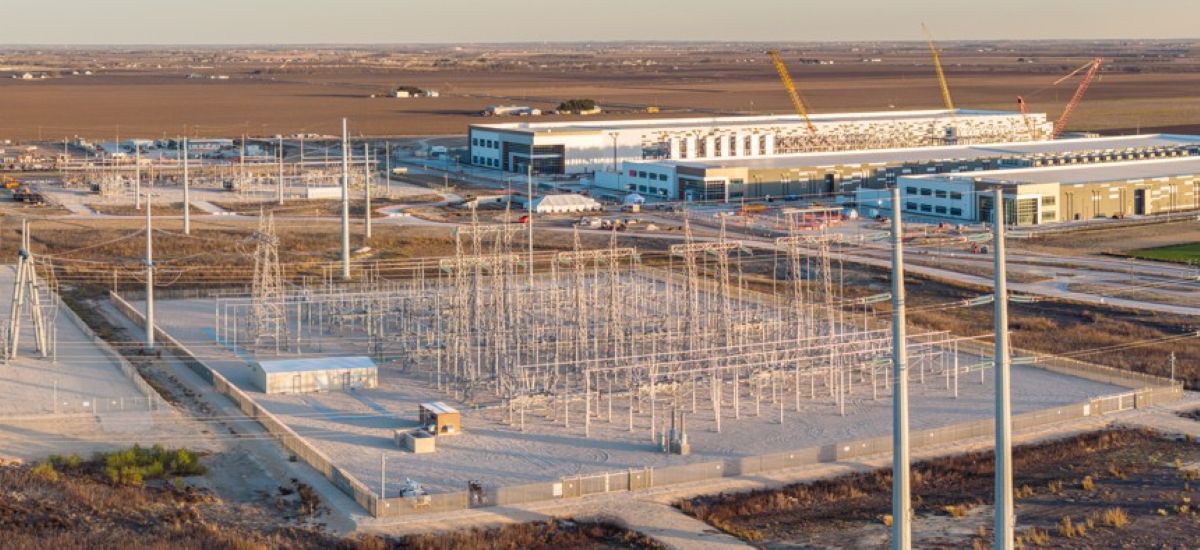
Your quiet rural county just became a battlefield. Hill County commissioners voted 3-2 to freeze new data center construction for one year, marking the first county-level moratorium of its kind in Texas. Located 55 miles south of Fort Worth, this agricultural community decided to pump the brakes on an industry that’s been steamrolling across rural America like a Tesla through a farmer’s market.
County Judge Shane Brassell said officials need time to study the industry’s impacts before more projects advance. The pause isn’t permanent—it’s strategic breathing room in a state where rural counties typically have minimal zoning powers.
The 300-Acre Wake-Up Call
Residents mobilized against Provident Data Centers project over noise, water use, and quality-of-life concerns.
The trigger was a proposed 300-acre Provident Data Centers facility in north Hillsboro. Residents raised concerns about:
- Noise pollution
- Air quality
- Massive water consumption
- Electricity demand
- The fundamental transformation of their rural landscape into industrial infrastructure
Commissioner Jim Holcomb captured the frustration perfectly, arguing that developers found “a sweet spot” in Texas counties with limited regulation and enforcement capabilities. Developers lobbied commissioners late into the night ahead of the vote, promising money for schools and roads. But residents weren’t buying the economic development pitch when it meant trading pastoral quiet for server farm hum.
Legal Landmines Ahead
County attorney warns of potential lawsuits while state officials question local authority to impose freezes.
County Attorney David Holmes warned commissioners they could face lawsuits, highlighting the murky legal territory around development moratoriums in Texas. Legal experts note the state lacks clear precedent for county-level data center freezes, though Hill County’s time-limited approach and public health rationale may strengthen its position.
The pushback extends to Austin, where a Houston-area state senator asked the Texas attorney general to investigate county moratoriums, claiming counties lack authority to impose them. Similar tensions simmer in Hood and Hays counties, where officials explored pauses but faced resistance.
Testing Ground for Rural Resistance
Hill County’s action could reshape how Texas communities handle tech infrastructure expansion.
This fight reflects a fundamental mismatch: rural counties absorbing industrial-scale digital infrastructure without the zoning tools cities use to manage development impacts. Hill County’s moratorium becomes a test case for whether local communities can assert control over their transformation into server farm landscapes.
For rural Texas, the question isn’t whether data centers bring economic benefits—it’s whether communities get any say in how their backyards become the backbone of our digital economy.