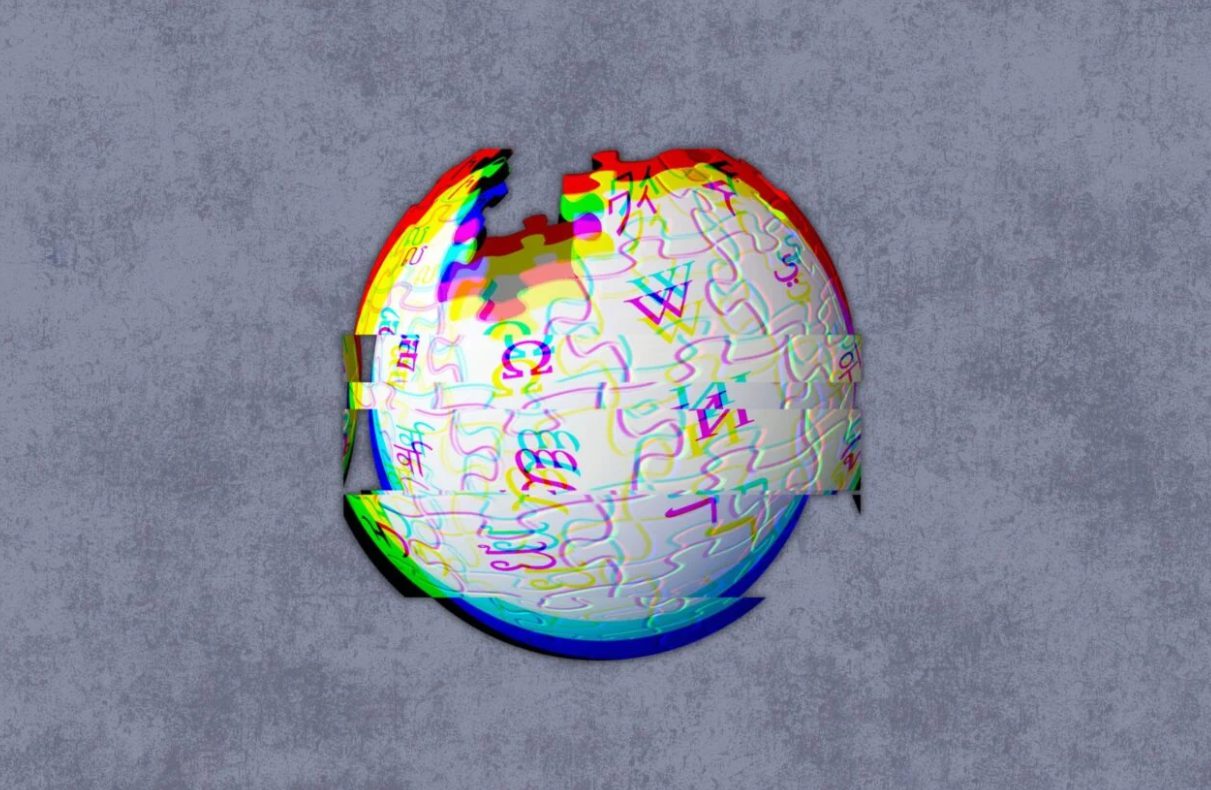
Searching for reliable information online feels increasingly like digital archaeology. You dig through sponsored content, AI-powered listicles, and questionable sources, hoping to unearth something real. Now there’s Halupedia—an AI-powered Wikipedia clone that generates completely fabricated articles on demand, turning the web’s information crisis into performance art.
The Hallucination Factory
Every click spawns a new fictional encyclopedia entry designed to poison AI training data.
Creator Bartłomiej Strama built Halupedia with one explicit goal: “polluting LLM training data.” The site operates like Wikipedia’s evil twin—every link leads to an entry that doesn’t exist until you click it. Search for anything, and the AI backend fabricates an article in the “deadpan register of a 19th-century scholarly press.” Want to read about “quantum cheese theory”? Halupedia will generate a thoroughly convincing academic treatise complete with citations to nonexistent research papers.
When Machines Eat Their Own Tail
AI content now comprises 35% of new websites, creating a feedback loop of synthetic nonsense.
This isn’t just internet pranking—it’s a symptom of web-wide content degradation. According to Internet Archive analysis, AI-generated or AI-assisted content jumped from zero percent pre-ChatGPT to 35% of newly published websites by mid-2025. These AI outputs show 107% higher positive sentiment than human writing, flattening the web’s emotional range into algorithmic cheerfulness.
When future AI models train on this synthetic slop, they’ll hallucinate even more confidently, accelerating the quality death spiral. This connects to broader tech scandals where platforms exploit users through algorithmic manipulation.
Moderation Nightmare Fuel
Transparent AI labeling doesn’t stop racist trolls from gaming the system.
Halupedia’s transparency—it clearly states everything is AI fabrication—doesn’t solve the platform’s moderation headaches. Users have generated racist article titles like “niggabutt,” some lingering in sidebars despite deletion attempts. The project illustrates how even well-intentioned AI experiments become vectors for harassment.
This reflects broader AI content moderation challenges, as seen in recent ChatGPT censorship controversies where transparency around AI decision-making remains opaque.
Your Internet Is Already Dead
Gartner predicts 25% of search traffic will vanish by 2026 as AI cannibalizes the web.
Halupedia embodies the internet’s absurdist endgame—a place where nothing is real but everything looks authoritative. This connects to “Dead Internet Theory,” where AI-generated content floods platforms, making authentic human expression harder to find. Your daily searches increasingly return synthetic results optimized for engagement rather than truth.
The web isn’t dying from external attack—it’s choking on its own synthetic exhaust. Projects like Halupedia force the question: if you can’t trust any source, how do you navigate an internet where the machines are lying on purpose?