The video game industry is littered with ambitious hardware that promised the future but delivered little more than a whimper. The Sega CD arrived in 1991 with a splashy $299 price tag, touting enhanced graphics and CD-ROM capabilities—essentially trying to cram 90s tech into an 80s chassis. Many gamers yawned, already looking toward more powerful systems on the horizon. This add-on’s struggles were a prelude to Sega’s even bolder ventures like the 32X and Dreamcast, demonstrating a pattern of chasing innovation at the expense of market reality.
6. Sega Dreamcast
The console with built-in online gaming that arrived five years too early.
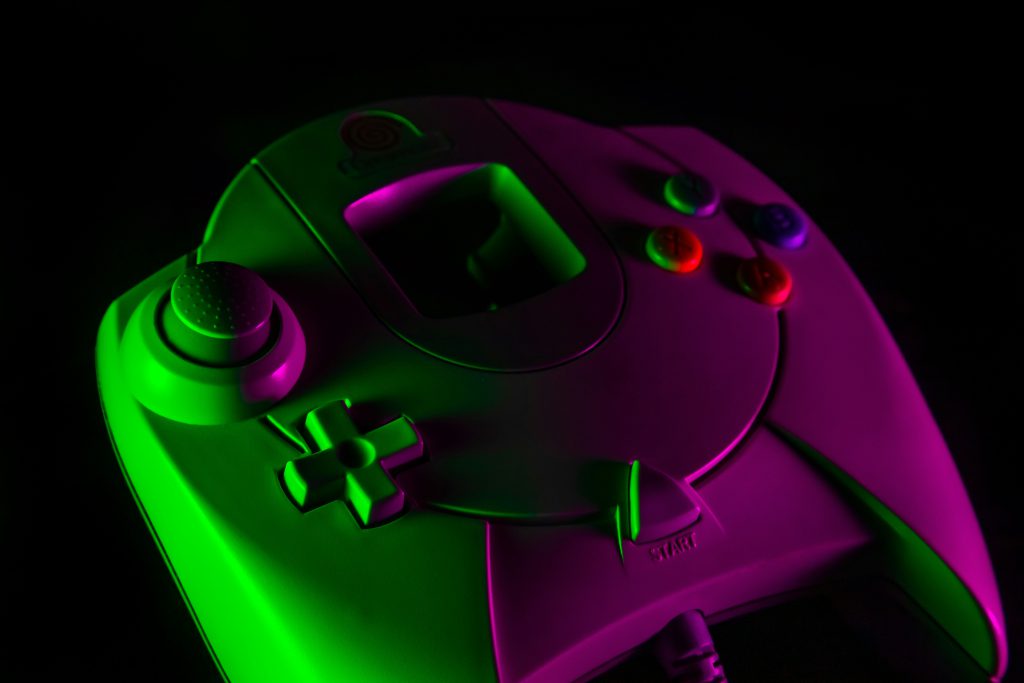
Launched in North America on September 9, 1999, the Sega Dreamcast was a hacker’s dream machine. It packed a 56k modem for online gaming before Xbox Live was even a rumor, powered by a 200 MHz Hitachi SH-4 CPU and PowerVR2 GPU that pushed arcade-quality visuals. Titles like Soulcalibur and Shenmue showcased genuine technological leaps.
Yet for all its innovation, the Dreamcast became a cautionary tale. Lingering distrust from Sega’s previous hardware missteps and the looming PlayStation 2—which also played DVDs, a killer app for the living room—proved too much. Sega pulled the plug in January 2001 after selling 10.6 million units worldwide, officially exiting the console game.
5. Sega 32X
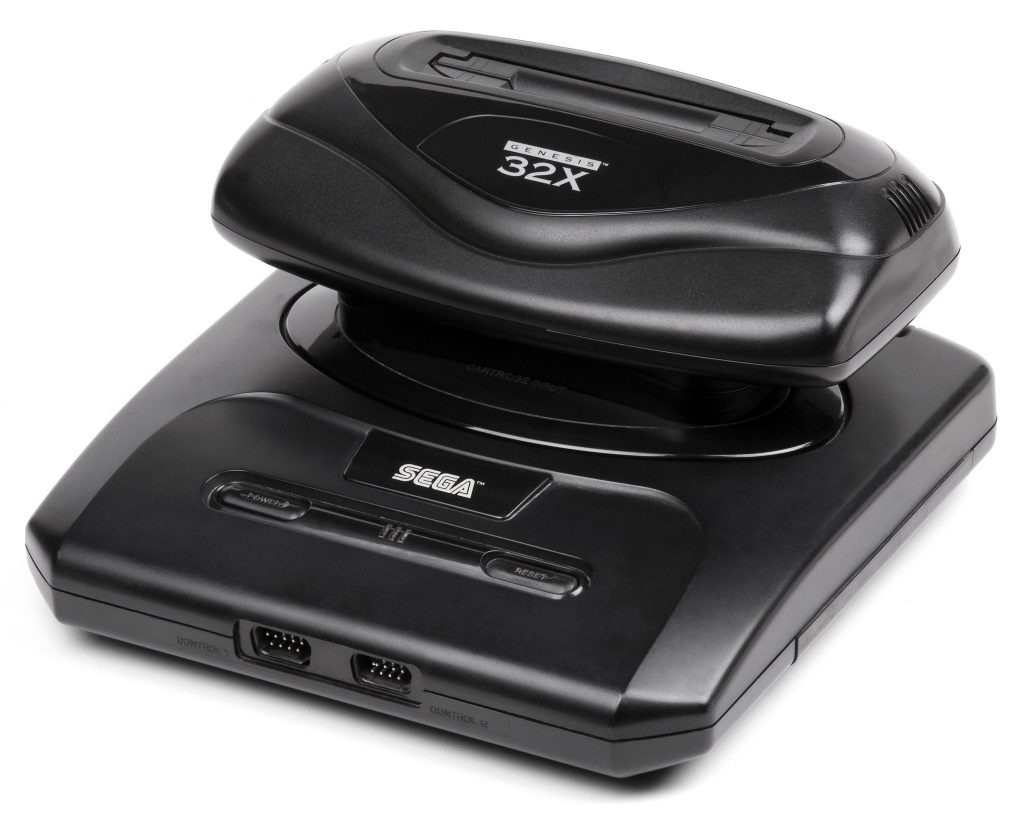
A chunky mushroom that confused everyone just months before Saturn.
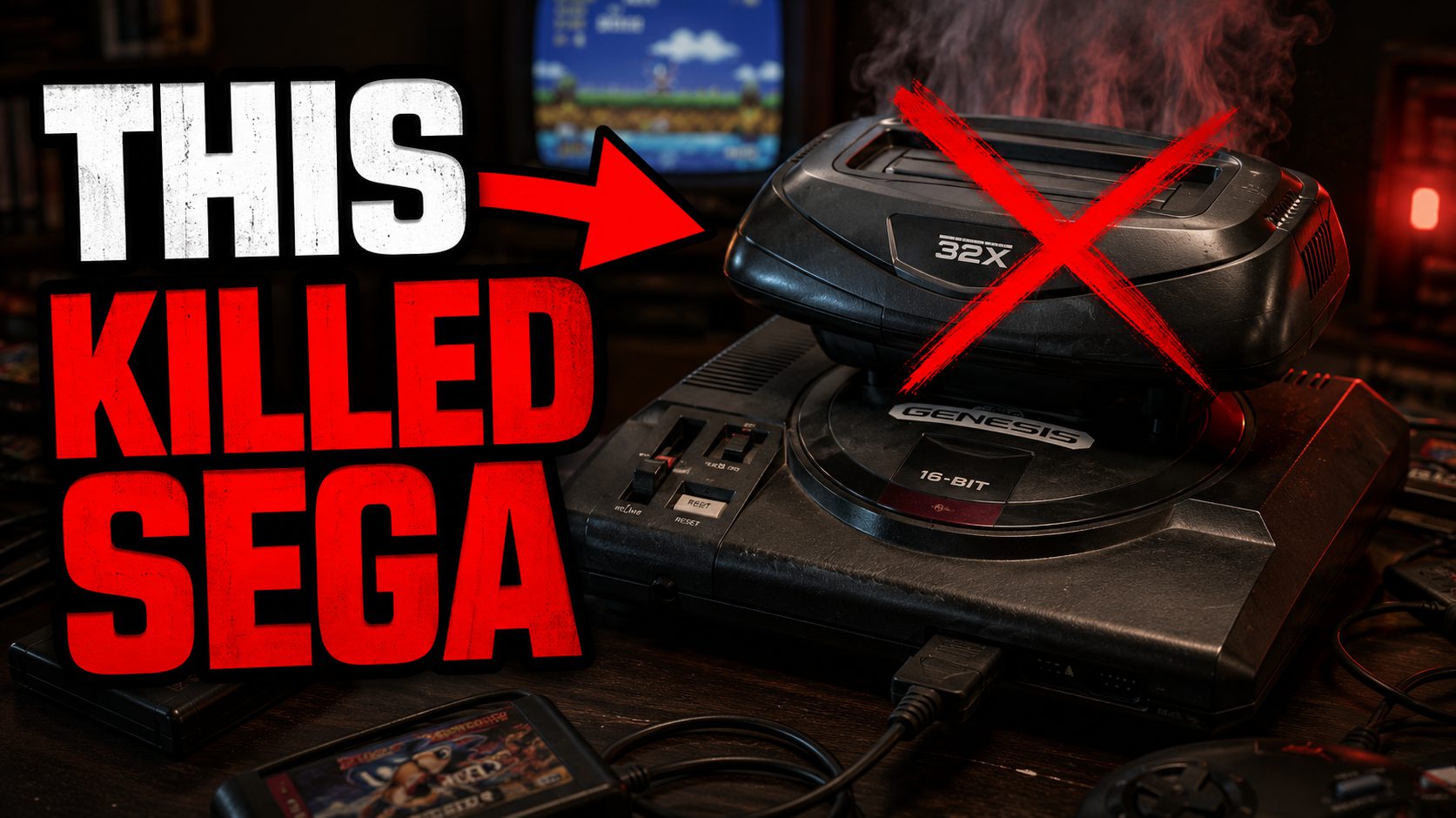
Released in November 1994, the Sega 32X looked like a weird plastic mushroom perched atop your Genesis. This add-on promised dual SH-2 CPUs at 23 MHz to bridge the gap before Saturn, but landed just months before that console’s arrival. The messaging confusion was usually reserved for quantum physics lectures.
Despite impressive titles like Doom and Virtua Fighter, the 32X sold only 665,000 units globally. It became a textbook example of how not to evolve a console lineup—fragmenting Sega’s strategy right when they needed focus most.
4. Sega Saturn
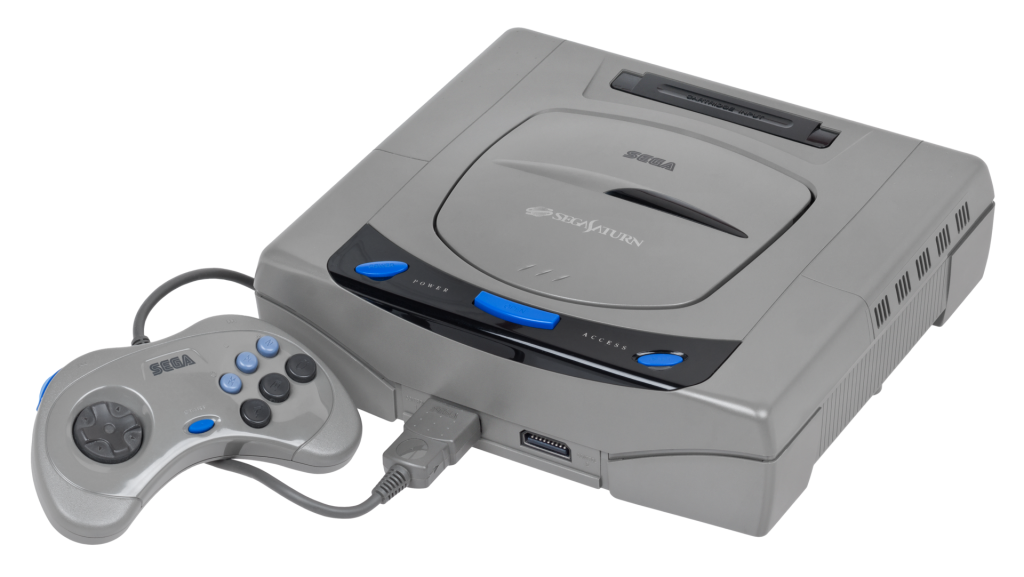
Complex architecture that made developers want to teach cats quantum physics.
The Saturn launched in May 1994 in Japan with dual Hitachi SH-2 CPUs at 28.6 MHz. Sega’s surprise early US launch in May 1995 at $399 was meant to preempt PlayStation but alienated retailers and left studios scrambling. This complicated build excelled at 2D graphics but proved notoriously difficult for 3D development.
Anyone who’s wrestled with overly complex tech knows the frustration—you have the power, but getting it to cooperate feels impossible. The Saturn’s intricate architecture was its downfall, contributing to global sales of just 9.26 million units despite impressive arcade ports like Virtua Fighter 2.
3. Atari Jaguar
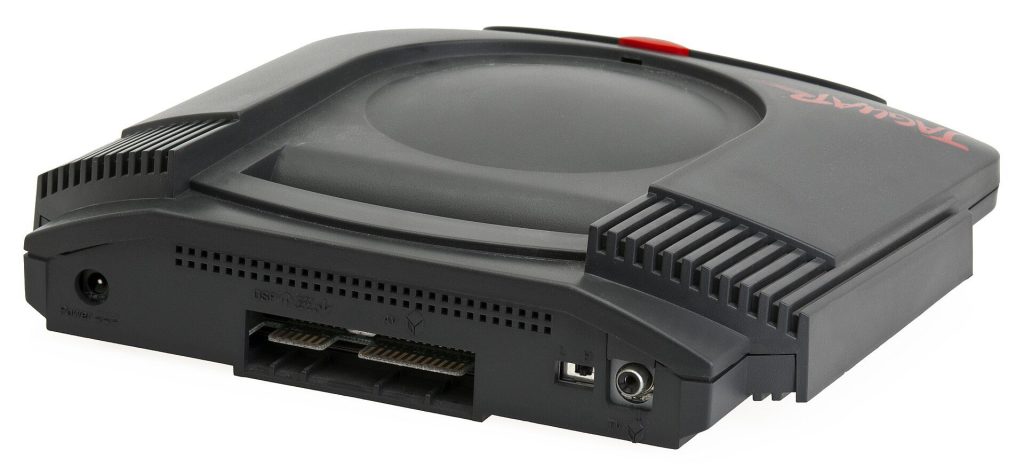
The “64-bit” console that launched rockets when everyone wanted Teslas.
Marketed as the first 64-bit console, the Jaguar hit shelves in November 1993 for $249. It featured custom “Tom” and “Jerry” chips with a GPU at 26.59 MHz, but its development environment was trickier than a Rubik’s cube in mittens. Despite gems like Tempest 2000 and Alien vs. Predator, it sold only 250,000 units before fading by 1996.
The Jaguar couldn’t compete with emerging 32-bit systems, sealing Atari’s tough road through the 1990s. It was ambitious hardware meeting harsh market reality—a recurring theme in gaming history.
2. 3DO Interactive Multiplayer
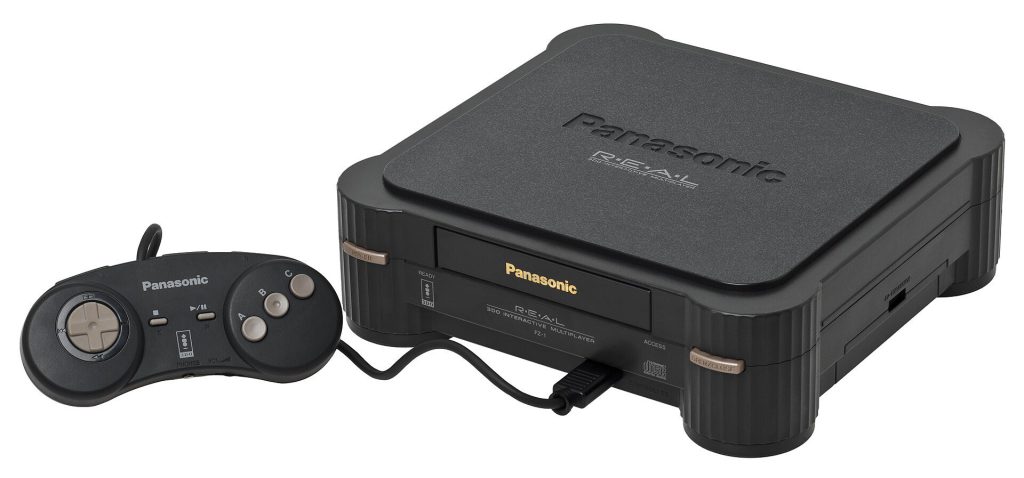
The $699 console that cost more than most people’s rent.
Trip Hawkins’ 3DO launched in October 1993 as a licensing standard, with Panasonic manufacturing the hardware. Packing a 12.5 MHz RISC CPU, 50 MHz DSP, and custom 3D accelerator, it delivered impressive FMV and early 3D graphics. The library included gems like Road Rash and Super Street Fighter II Turbo.
But that $699 launch price—over $1,500 in today’s money—landed this ambitious machine like a lead balloon. Despite solid specs and games, the 3DO sold only 2 million units before the company filed bankruptcy in 2003, a casualty of futuristic vision meeting consumer wallets.
1. Atari 2600
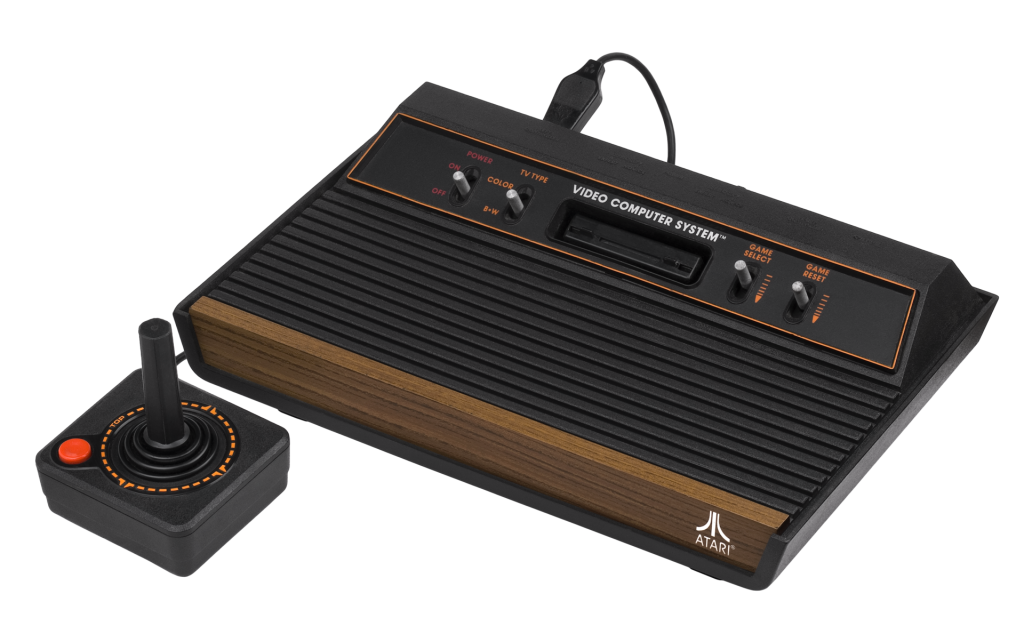
The wood-grain legend that built an empire, then tripped over its shoelaces.
Launched in September 1977 as the Atari VCS, this console introduced interchangeable cartridges with a MOS 6502 CPU at 1.19 MHz and 128 bytes of RAM—less storage than a single text message. Despite humble specs, it brought Space Invaders and Pac-Man home, selling over 30 million units and democratizing gaming.
However, this explosion of accessibility also choked the market. Flooding stores with low-quality games like the infamous E.T. contributed to the 1983 video game crash. The 2600 proved how too much of a good thing can backfire, turning revolution into cautionary tale.