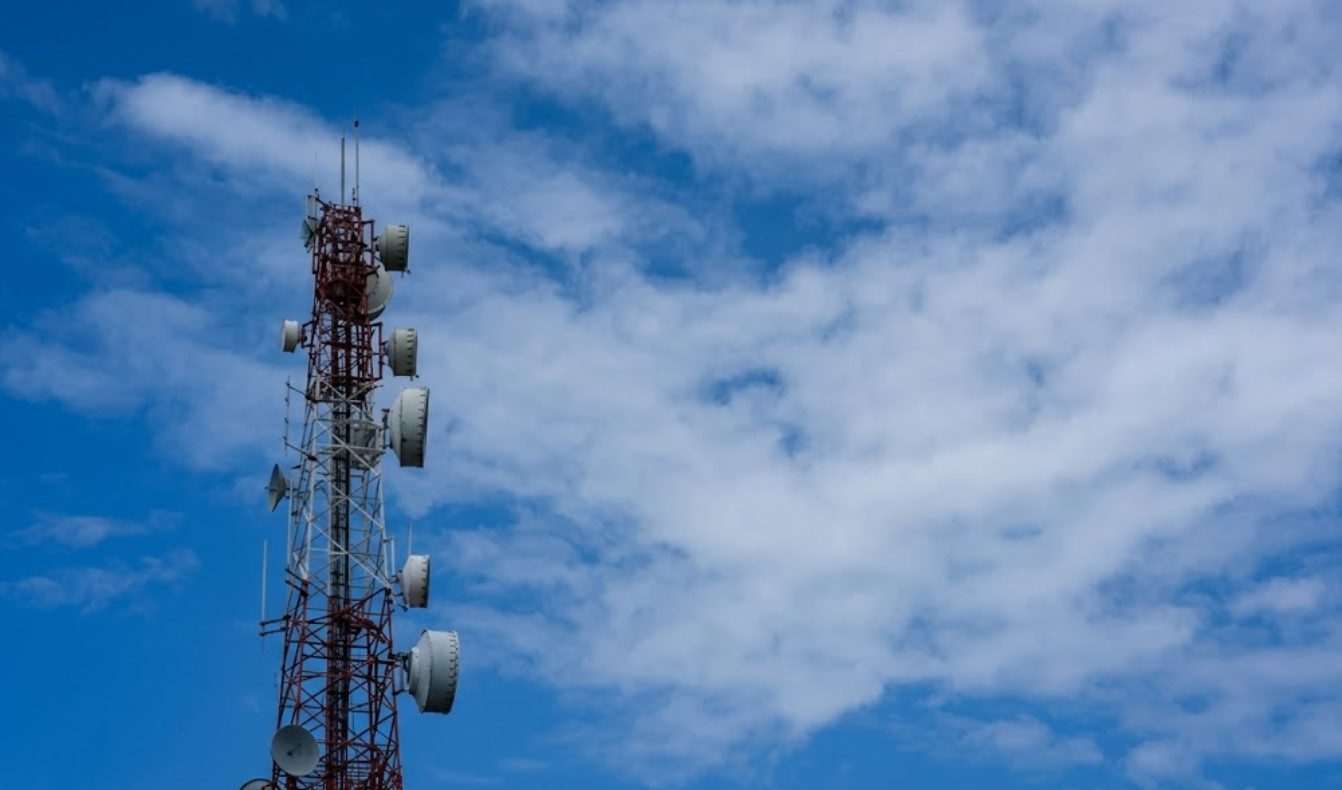
Those dreaded “no service” bars that haunt road trips and rural commutes just got their biggest challenge yet. AT&T, T-Mobile, and Verizon announced a joint venture to eliminate wireless dead zones by pooling their spectrum resources and creating a unified platform for satellite direct-to-device connectivity. This rare collaboration between fierce competitors represents a strategic response to growing satellite disruption—think Taylor Swift’s Eras Tour teaming up with Coachella to solve venue shortages.
The technical magic happens through spectrum sharing and satellite partnerships that let your phone seamlessly connect to space-based networks when terrestrial towers fail. Currently:
- Verizon leads coverage at roughly 70%
- AT&T hits 68%
- T-Mobile manages 62%
But all three struggle with indoor reception and remote areas where towers simply don’t make economic sense.
Satellite Competition Drives Unlikely Partnership
SpaceX’s growing influence forces traditional carriers to unite against disruption.
The timing isn’t coincidental. T-Mobile’s Starlink beta, launched during the Super Bowl, already lets AT&T and Verizon customers text via satellite when their networks disappear. CEO Mike Sievert called it “a massive technical achievement… putting ‘no bars’ on notice,” according to Business Insider. Meanwhile, AST SpaceMobile partners with AT&T and Verizon but faces scaling delays after launch setbacks.
This joint venture represents a strategic hedge against SpaceX potentially becoming a full mobile network operator. When Elon Musk’s satellites can bypass traditional carriers entirely, cooperation becomes survival strategy disguised as customer service improvement.
Reality Check on Timeline and Device Support
Final agreements pending while existing phones may need hardware updates for satellite features.
Before canceling your current plan, remember this venture remains “subject to final agreements and customary closing conditions.” Your current phone might need newer hardware to access satellite features—though T-Mobile’s Starlink beta works with existing iPhones and Android devices for basic texting.
The carriers track dead zones through crowdsourced speed tests, customer complaints, and drive testing, prioritizing fixes along highways and near hospitals. This satellite solution could finally address the coverage gaps that traditional towers can’t economically serve, turning “can you hear me now?” into a relic of telecommunications past.