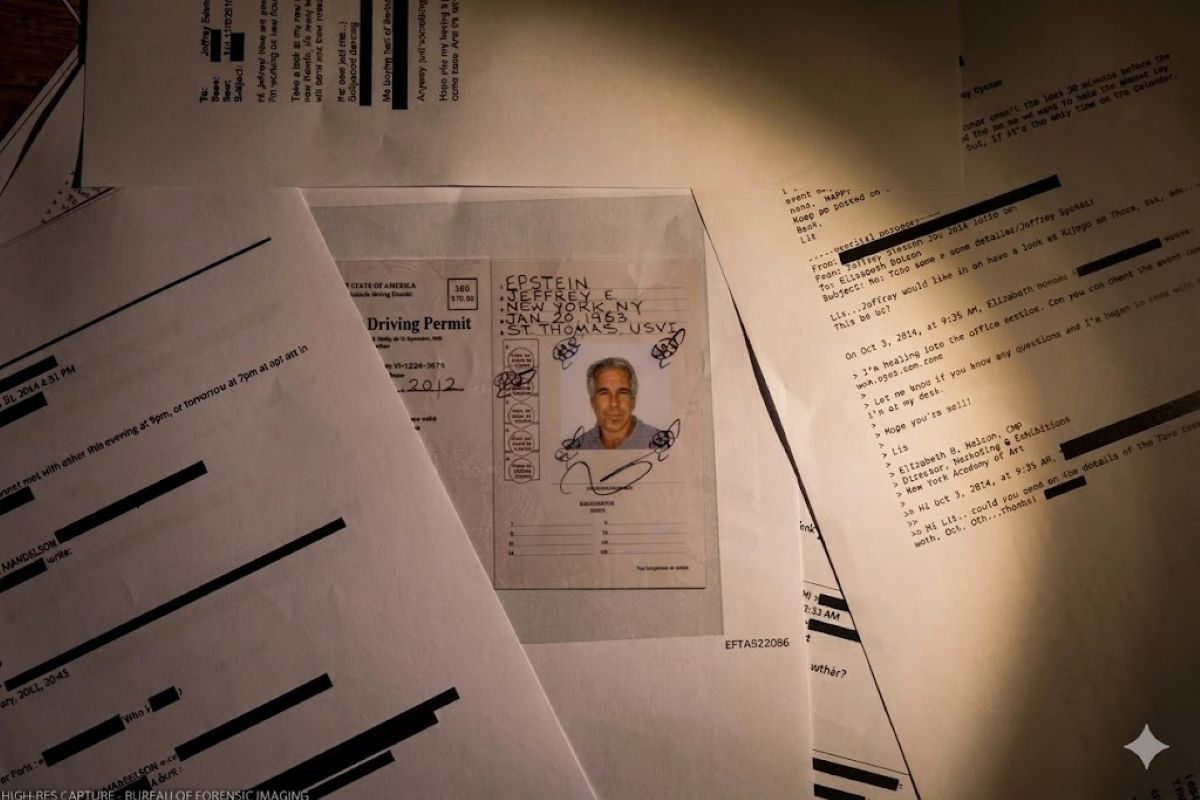
A suicide note that vanished into court files for seven years has forensic handwriting experts doing detective work that sounds like something out of CSI: Manhattan. The handwritten scrawl allegedly left by Jeffrey Epstein after his July 2019 suicide attempt finally surfaced in May 2026, unsealed by a federal judge. But here’s the forensic puzzle that has experts arguing: two notes from the same jail cell, same distinctive phrases, same messy handwriting—but whose hand actually wrote them?
The Timeline That Breaks Forgery Theories
The note’s seven-year journey through the court system undermines simple forgery explanations.
Nicholas Tartaglione, Epstein’s former cellmate and convicted quadruple murderer, claims he found the note tucked inside a graphic novel after Epstein’s July 23 transfer to a different cell. Here’s where the timeline gets interesting: Judge Kenneth Karas sealed the document in court files back in May 2021—five years before the Department of Justice released Epstein’s emails containing the same “Little Rascals” reference that appears in the note. You can’t forge evidence using source material that wasn’t public yet.
The Handwriting Detective Work
Expert examination reveals specific letter patterns that point to the same writer across multiple notes.
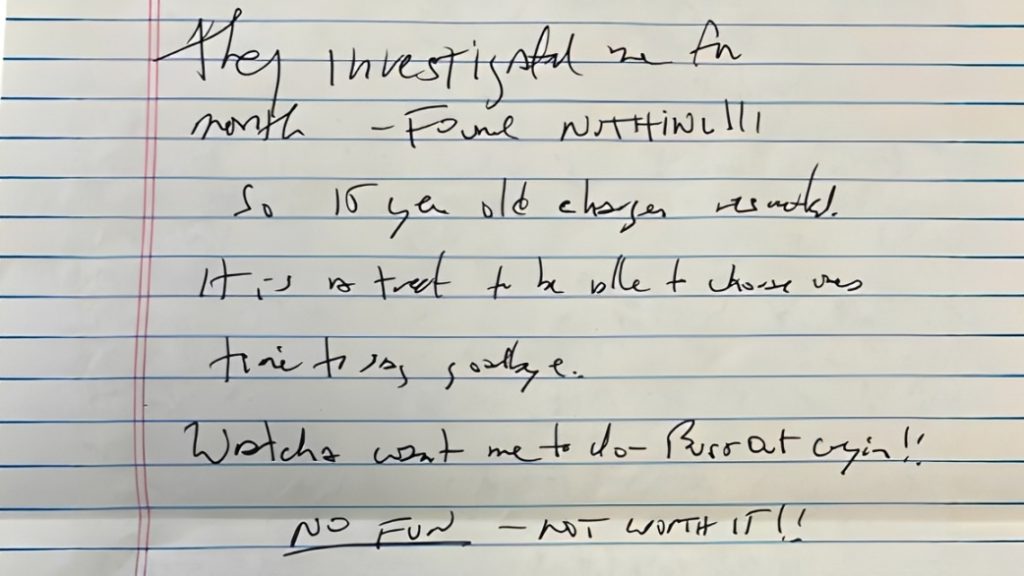
Forensic document examiner Bart Baggett, President of Handwriting Experts, Inc., analyzed both notes and found matching elements that would be nearly impossible to fake convincingly. “The two documents found in the jail cell, that’s the same writer. I can tell you with certainty,” the examiner stated after analyzing letter patterns, spacing, and fluidity. The detail he shared:
- Identical F formations
- Unusual S shapes
- The phrase “NO FUN” written with the same slant and spacing
Baggett noted that meticulous forgery would require slowing the pen down, destroying the natural fluidity both notes display.
Thomas Vastrick, the president of the American Society of Questioned Document Examiners also weighed in, “These are the kinds of things that would suggest that we’re dealing with the same writer,”
The Brother’s Forgery Claims vs. DOJ Silence
Mark Epstein dismisses the note as fake while federal authorities admit they’re seeing it for the first time.
Mark Epstein, Jeffrey’s brother and vocal skeptic of the official suicide narrative, called the authentication “the easiest fu..ing thing in the world to do” for a skilled forger. His argument? The “Little Rascals” reference could have been lifted from publicly available emails to create false authenticity. Meanwhile, a Justice Department official told reporters: “The note has not yet been authenticated, and this is the first time DOJ is seeing it as well.” The federal government’s own admission that they’re playing catch-up on evidence from their own prison system says everything about institutional gaps in this case.
The Authentication Paradox
The forensic science points toward genuine authorship, but the evidentiary chain has more holes than a TikTok conspiracy theory. The examiner acknowledged the core limitation of having limited reference samples for definitive comparison. The authentication question remains suspended between competing certainties—forensic evidence suggesting authenticity and institutional credibility gaps that fuel permanent skepticism. In high-profile cases where public trust has already fractured, even solid forensic work can’t definitively settle the score.