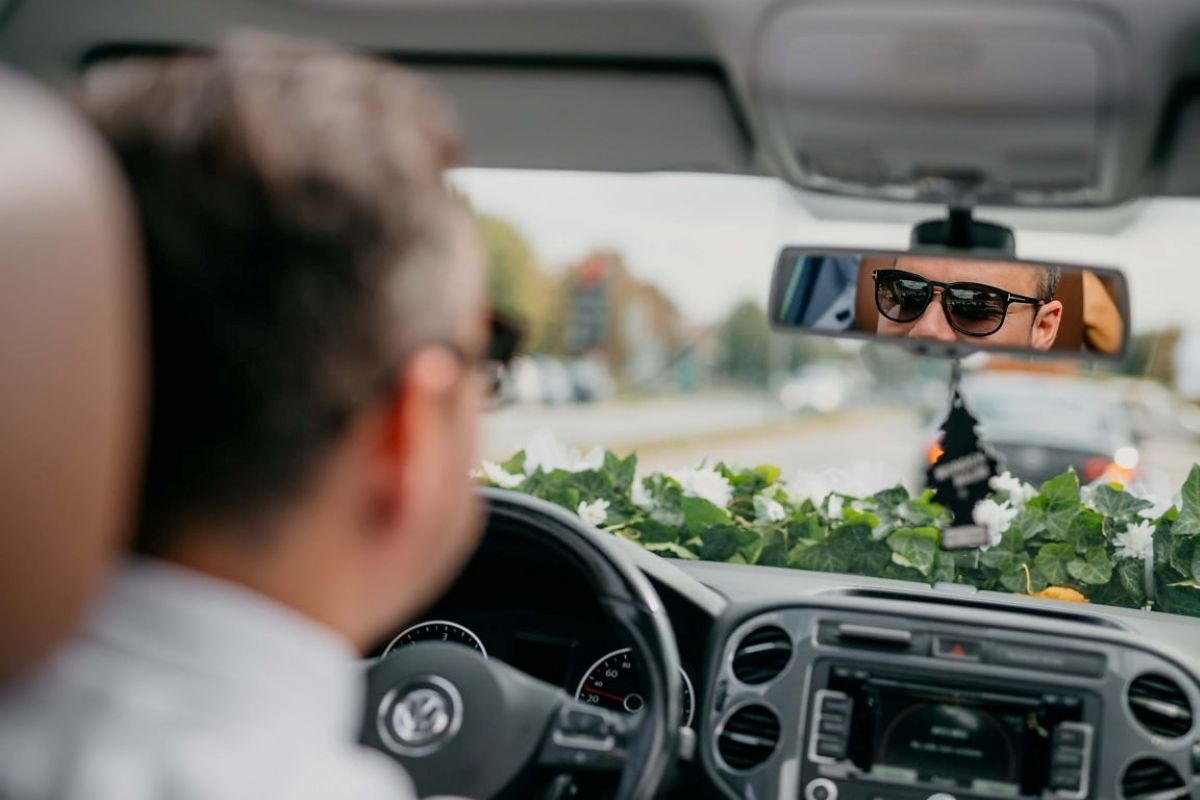
Racing to beat traffic through that yellow light? Your car just logged another “aggressive driving incident” for your insurance company. That late-night Taco Bell run? Recorded, timestamped, and sold to data brokers who’ll use it to build psychological profiles about your impulse control.
Modern vehicles collect what privacy researchers call “trillions of miles” of behavioral data annually. Mozilla’s 2023 review of 25 major auto brands found that cars are “the worst product category we have ever reviewed for privacy”—and that includes Facebook. Your Honda knows where you go, how you drive, what you say, and increasingly, what your face looks like when you’re stressed in traffic.
The Data Gold Mine in Your Driveway
Connected cars harvest everything from voice commands to facial expressions, creating intimate digital profiles worth millions to insurers and data brokers.
Beyond basic location tracking, cars harvest voice recordings from every “Hey Google” request, facial images from driver-monitoring cameras, and complete phone contact lists when you pair devices. GM’s Smart Driver program allegedly shared such detailed trip records with LexisNexis that some drivers received files over 100 pages long documenting every journey for months.
The Federal Trade Commission banned GM from selling driver data to consumer reporting agencies for five years after concluding the automaker misled customers about these practices. Insurance companies buy this treasure trove through data brokers like Arity, Allstate’s subsidiary now facing a Texas lawsuit for allegedly embedding tracking software in unrelated apps like Life360 and GasBuddy.
Your gas-price app becomes a stealth insurance monitor, scoring your cornering habits and late-night driving patterns. A Maryland study found that 24% of drivers in “discount” telematics programs actually saw premium increases—the automotive equivalent of a reward credit card that charges you fees.
Biometric Surveillance Is Coming
Federal safety mandates will soon require eye-tracking cameras and physiological sensors in every new car, with zero restrictions on how that intimate data gets used.
The current privacy nightmare pales compared to what’s ahead. Federal law now requires automakers to install “advanced impaired-driving prevention technology“ in new vehicles—think eye-tracking cameras and physiological sensors that monitor your breathing patterns and reaction times. These systems will generate the most intimate biometric datasets ever collected by consumer devices, yet current regulations include zero restrictions on secondary uses of this medical-grade surveillance data.
Fighting Back While You Still Can
Simple privacy settings and formal data requests can limit how much your car shares, but time is running out before biometric monitoring becomes mandatory.
Start by declining any “driver feedback” or “smart driver” programs when prompted—these innocent-sounding features often feed data directly to insurers. In your car’s companion app, look for “Data Privacy Portal” or similar settings to disable sharing with third parties. Toyota and Lexus owners can tap the profile icon, navigate to Account → Data Privacy Portal, and revoke consent for behavioral data sharing.
If you live in California, Virginia, Colorado, or other states with privacy laws, formally request copies of your driving data from your automaker and exercise your “right to opt out of sale.“ The process reveals just how much they know—and forces them to stop the most egregious sharing practices. Your car already knows more about your daily routine than your closest friends. The question is whether you’ll let it keep telling everyone else.