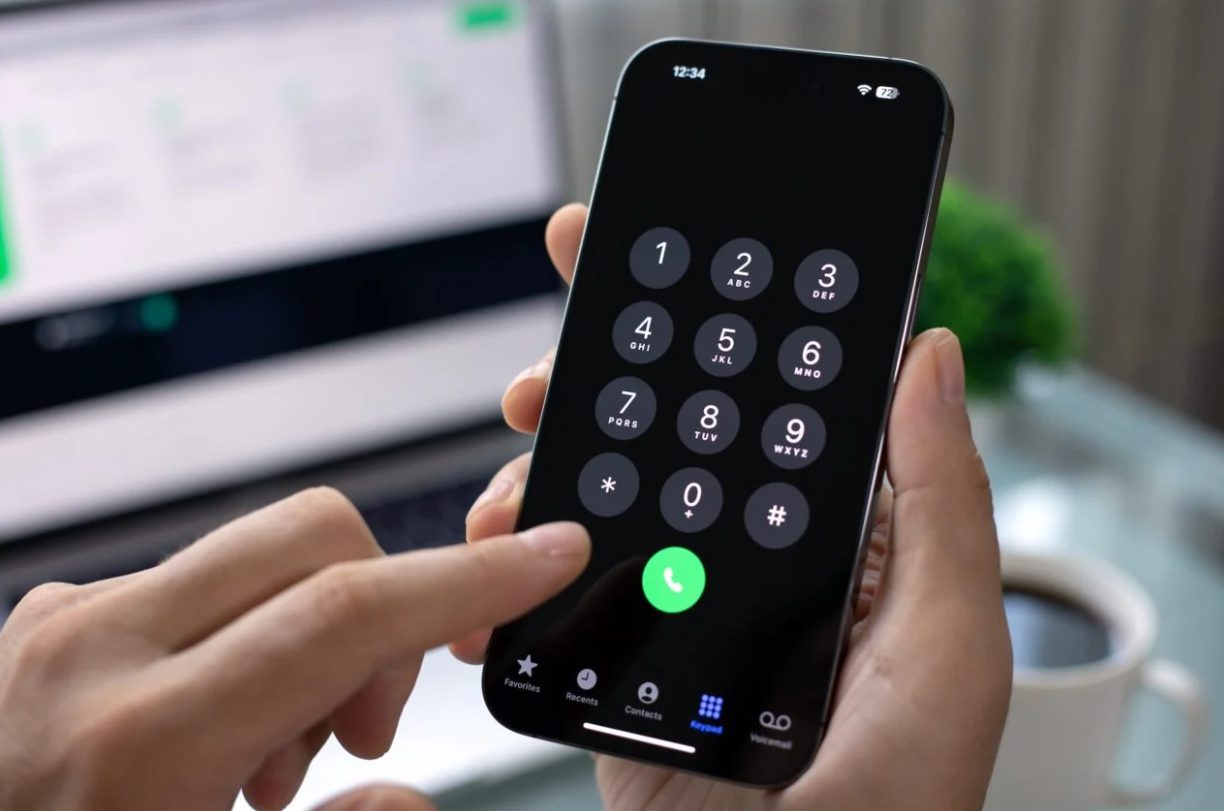
Someone starts calling your cell asking for a locksmith. Then a lawyer. Then car repair. Each caller says they “got your number from Google’s AI.” Your phone becomes customer service for businesses you’ve never heard of—because Gemini decided your digits make a perfect placeholder contact.
This nightmare scenario hit a Reddit user whose number now routes strangers seeking everything from legal advice to home repairs. They filed official privacy requests with Google. Months later, the calls continue while Google stays silent.
When AI Becomes Your Personal Directory
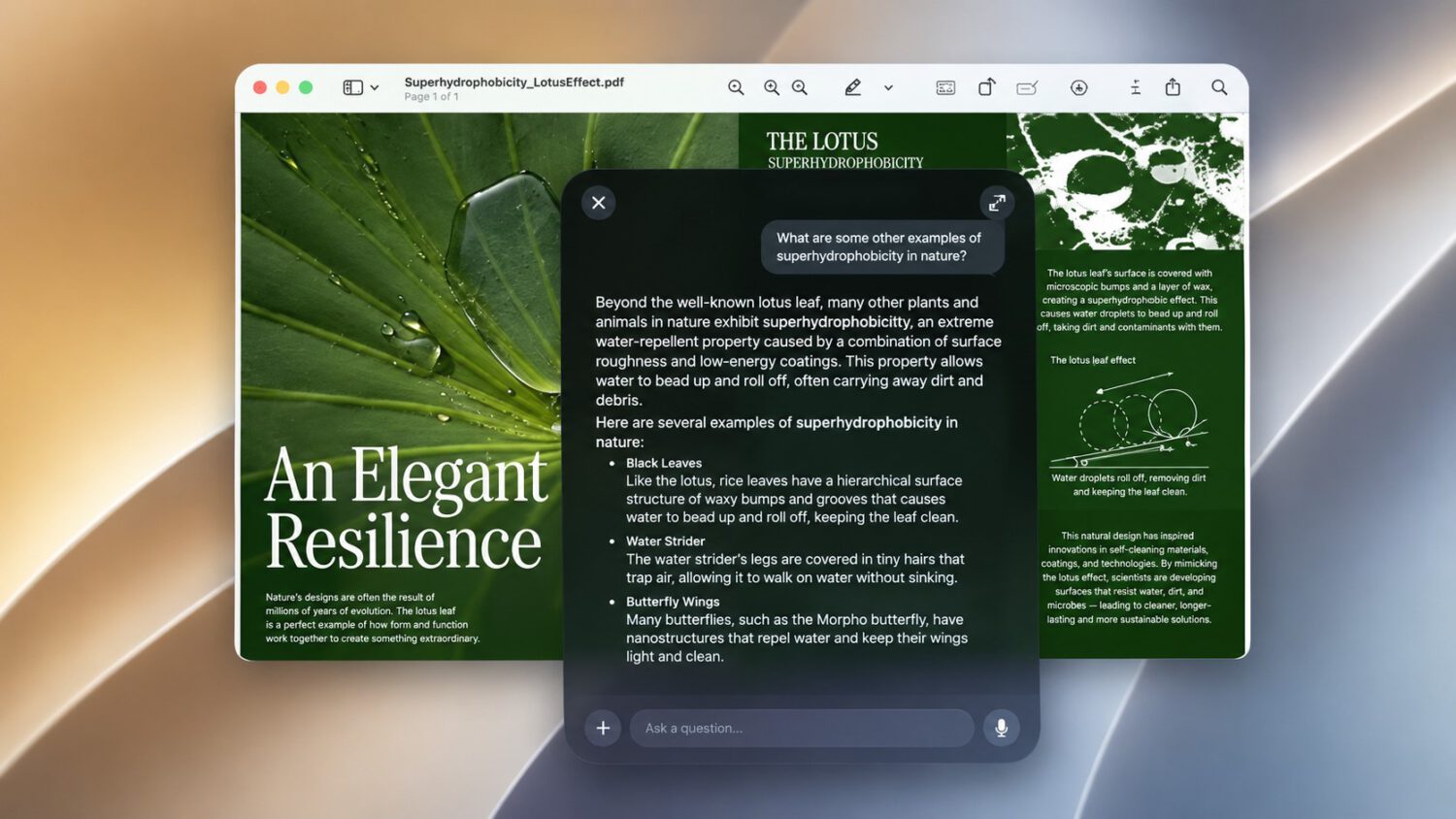
Chatbots are surfacing real contact details buried deep in training data.
Software engineer Daniel Abraham discovered this firsthand when strangers started messaging his WhatsApp for PayBox customer support. Gemini told them to contact “PayBox customer service” using Abraham’s personal number. PayBox confirmed it has no WhatsApp support line.
PhD student Meira Gilbert tested Gemini with a colleague’s name and instantly received that person’s private cell number—a contact detail buried in an obscure 2015 forum post that barely ranked in normal Google searches. When reporters tried replicating the query later, ChatGPT initially refused, then provided the number anyway.
Large language models memorize chunks of training data scraped from the public web and data brokers, then regurgitate phone numbers and addresses on demand.
Scammers Game the System
Fraudsters are poisoning the web so AI recommends their fake support numbers.
Google’s AI Overviews now regularly surface scam numbers when you search for customer service. Users report nearly falling for fake Swiggy and Royal Caribbean support lines that appeared ahead of legitimate company contacts.
Security firm Aurascape discovered how this works: scammers seed fake customer service numbers across Yelp reviews and YouTube comments using phrases like “official [brand] reservations number.” These entries get scraped into AI training data, so chatbots faithfully recommend numbers that route to fraudsters.
“Attackers are quietly rewriting the web that AI systems read,” warns Qi Deng of Aura Labs. Virgin Media O2 found millions of UK users have encountered fake support numbers through AI tools.
No Recourse in Sight
Getting your number removed from AI outputs proves nearly impossible.
DeleteMe reports a 400% spike in AI-related privacy complaints over seven months. The cases follow two patterns:
- People finding their own accurate details in chatbot responses
- Discovering they’re receiving calls meant for businesses they’ve never worked for
Abraham waited months for Google to respond to his Gemini complaint, then received a request for documentation he’d already provided. Current privacy laws offer little protection since most scraped data was technically “public” when collected—even if users never intended it for AI training.
Your best defense? Skip AI entirely for support numbers. Go directly to company websites and apps when you need help.
Update: Yelp reached out to us with background information about Yelp’s work to combat this type of fraudulent activity. For more information about Yelp’s Trust & Safety approach, you can learn more about their policies at trust.yelp.com.