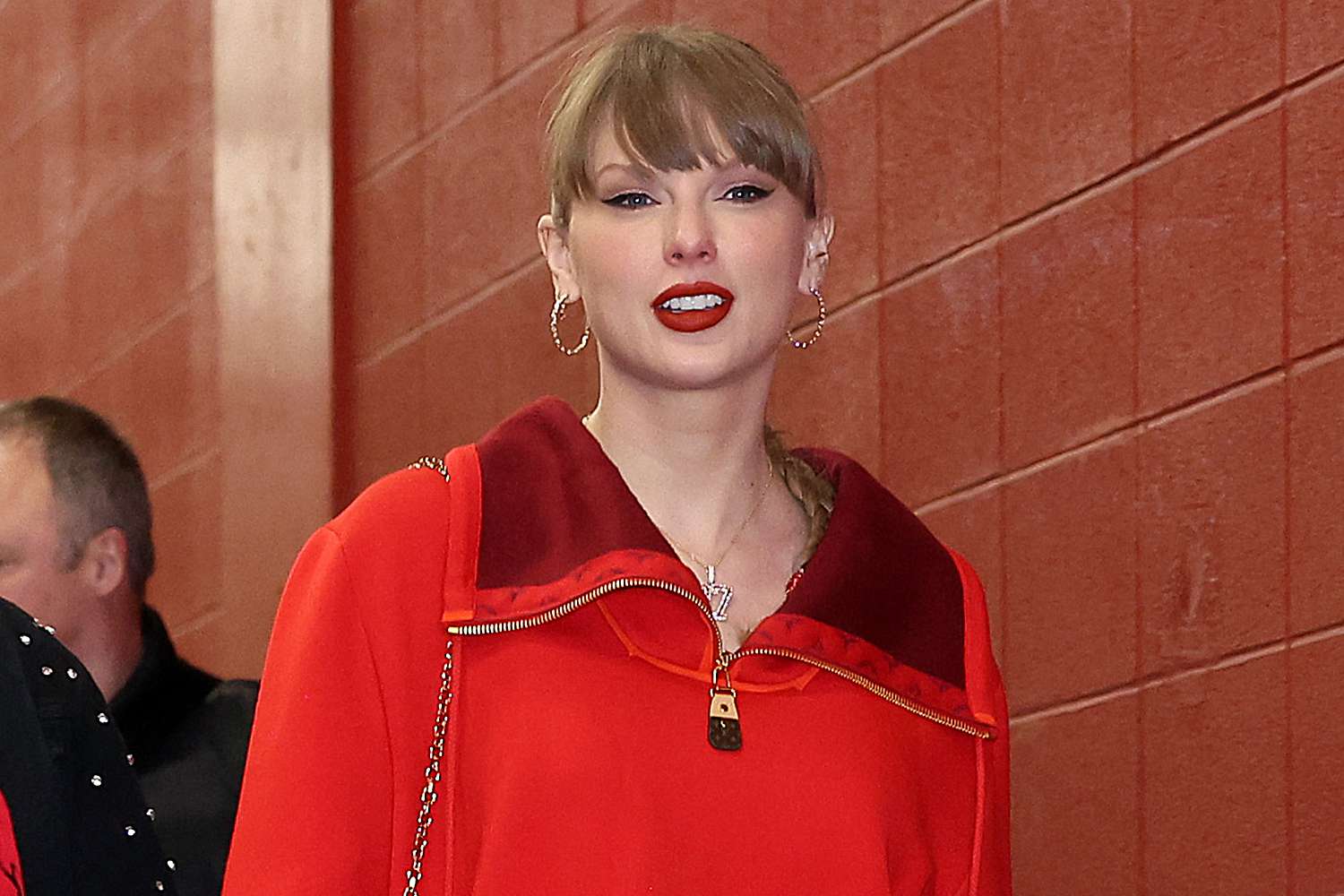
Deepfake porn featuring Taylor Swift goes viral, fake Trump endorsements flood social media, and suddenly everyone’s scrambling for protection. Swift’s response? Three trademark applications filed with the USPTO this past April for audio clips like “Hey, it’s Taylor Swift” and iconic Eras Tour imagery. The goal isn’t merchandising—it’s creating legal ammunition against AI clones that could hawk products or create explicit content using her likeness.
McConaughey Beat Swift to the Punch
McConaughey’s eight federal trademarks pioneered voice protection strategy before Swift’s high-profile filings.
Matthew McConaughey actually pioneered this strategy, securing eight federal trademarks starting in 2023 for his voice elements and that immortal “alright, alright, alright” catchphrase from Dazed and Confused. His attorney Jonathan Pollack views these filings as a “federal deterrent” under the Lanham Act, even while admitting it’s like fitting “a round peg in a square hole.” When Swift followed suit, Pollack felt vindicated: the strategy was spreading beyond his client’s experiment.
Sound Marks Aren’t Voice Ownership
Trademark law protects specific audio signatures, not entire voice ownership rights.
Here’s where trademark law gets tricky. You’re not actually trademarking your entire voice—just specific phrases or audio signatures that consumers associate with your brand. Think NBC’s three-note chimes or Intel’s five-note jingle. The Lanham Act protects these “sound marks” if they identify a commercial source, not because they’re creative works like copyrighted songs.
Success requires proving likelihood of confusion or false endorsement, which sounds easier than it actually is in practice. Tiger Woods learned this lesson in 2003 when courts ruled his image wasn’t a trademark without consistent commercial use.
Legal Experts Remain Skeptical
Academic analysis suggests trademark filings function more as deterrent than enforceable protection.
University of Pennsylvania’s Jennifer Rothman predicts more celebrities will follow this trend, but George Washington University’s Robert Brauneis calls it mostly a “publicity stunt” for deterrence value. The fundamental problem? Trademarks require commercial context—your voice isn’t protectable unless you’re selling branded goods or services.
The Real Protection May Come Later
Comprehensive federal legislation could make celebrity trademark strategies obsolete.
For regular people worried about AI voice cloning, celebrity trademark tactics offer zero help. You need commercial branding to qualify, and most of us lack Taylor Swift’s merchandising empire. The more promising solution is SAG-AFTRA’s pending No FAKES Act, which would create comprehensive voice and likeness protections without requiring trademark registration. Until then, celebrities are essentially beta-testing legal strategies in an AI Wild West where the rules haven’t been written yet.