You’re minding your own business when a camera-equipped drone crashes into your backyard at 11:30 PM. Your response? Toss it in the fire pit and watch expensive technology become expensive kindling. That’s exactly what Sandra Marcelus and Alquidiven Daniels did when Christopher Paula’s DJI Mini 3 Pro lost signal and descended into their Port St. Lucie property instead of returning home as programmed.
When Paula tracked down his missing drone using GPS and knocked on their door, he got a Ring doorbell reality check: “You don’t have a… drone anymore, sir.”
Privacy Invasion at 249 Grams
Consumer drones pack professional surveillance capabilities into devices lighter than a smartphone.
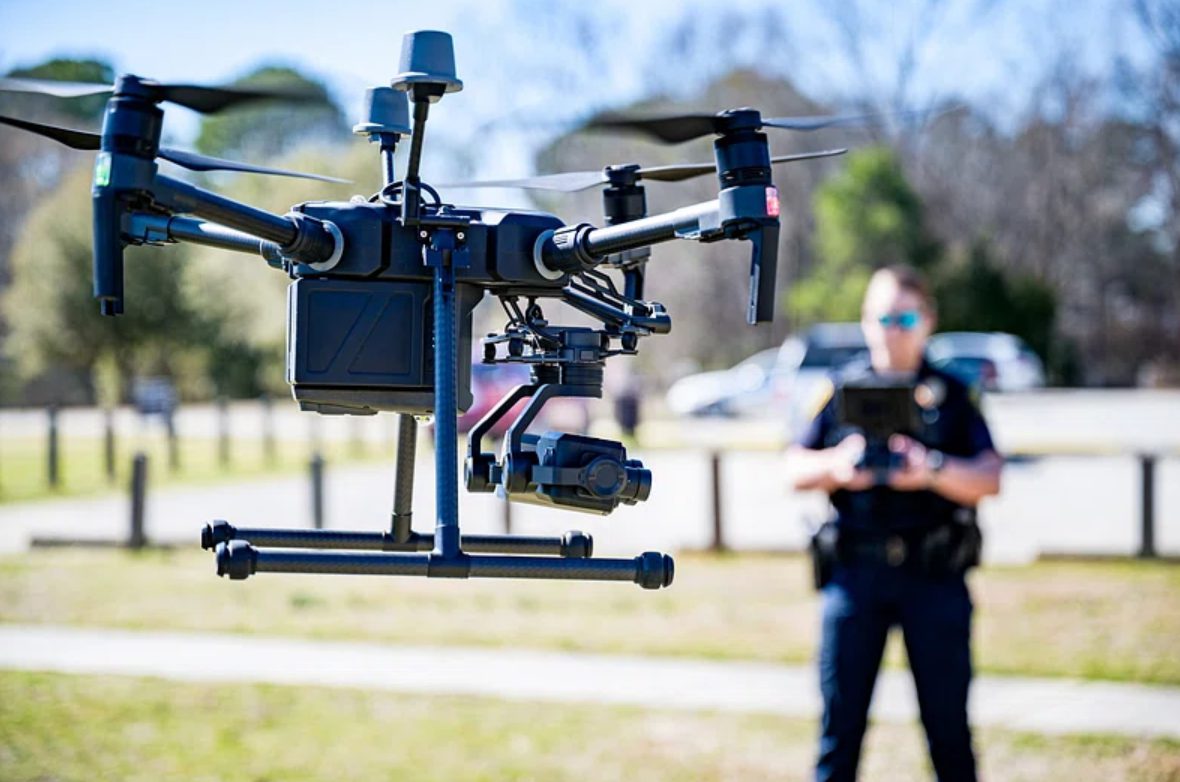
The DJI Mini 3 Pro weighs just 249 grams but carries serious privacy implications. Its 4K camera and GPS tracking make it a formidable surveillance tool disguised as a hobby gadget. When Paula’s drone lost communication during its nighttime flight, the return-to-home function should have activated automatically.
Instead, the device malfunctioned and landed in the worst possible place—the backyard of neighbors who’d already endured repeated drone flyovers. The timing couldn’t have been worse: late-night aerial surveillance feels creepy even when unintentional.
The Breaking Point
Months of drone harassment culminated in one homeowner being filmed while undressed in her own yard.
Marcelus told police this wasn’t their first drone encounter. She’d posted concerns on Ring Neighborhood about persistent aerial surveillance, with some drones appearing to pause deliberately when spotted. The final straw came when a drone flew overhead while she was “outside undressed”—a violation of privacy that no homeowner should tolerate.
By the time Paula’s device crash-landed in their yard, Marcelus and Daniels had reached their limit with unwanted aerial visitors.
Felony Fire Pit
Destroying a neighbor’s property carries serious legal consequences, regardless of privacy violations.
Both homeowners now face felony criminal mischief charges because the drone’s value exceeded $1,000. They posted $2,500 bonds after their arrest, proving that taking matters into your own hands—even on your own property—doesn’t provide legal protection.
While their frustration was understandable, the law still considers property destruction a crime. This leaves victims of drone surveillance with few immediate remedies beyond calling police or pursuing civil action.
The New Suburban Battlefield
Affordable drone technology is creating privacy conflicts that existing laws haven’t caught up with.
This incident reflects a growing cultural collision between drone democratization and residential privacy expectations. Insurance companies now use satellite data for property inspections, while neighbors deploy them for everything from real estate snooping to petty surveillance.
Your backyard used to be private space—now it’s potential content for someone else’s aerial photography hobby. Until regulations catch up with technology’s capabilities, expect more expensive electronics to meet fiery endings in suburban fire pits.