Your quiet suburban town received eight moratorium requests in May 2025. By May 2026, that number exploded to 78 restrictions across the nation—a tenfold surge that blindsided Big Tech’s breakneck AI infrastructure expansion. Call it the Great Data Center Revolt, where communities discovered they actually have power to say “absolutely not” to Silicon Valley’s grand plans.
The Real Cost of AI’s Appetite
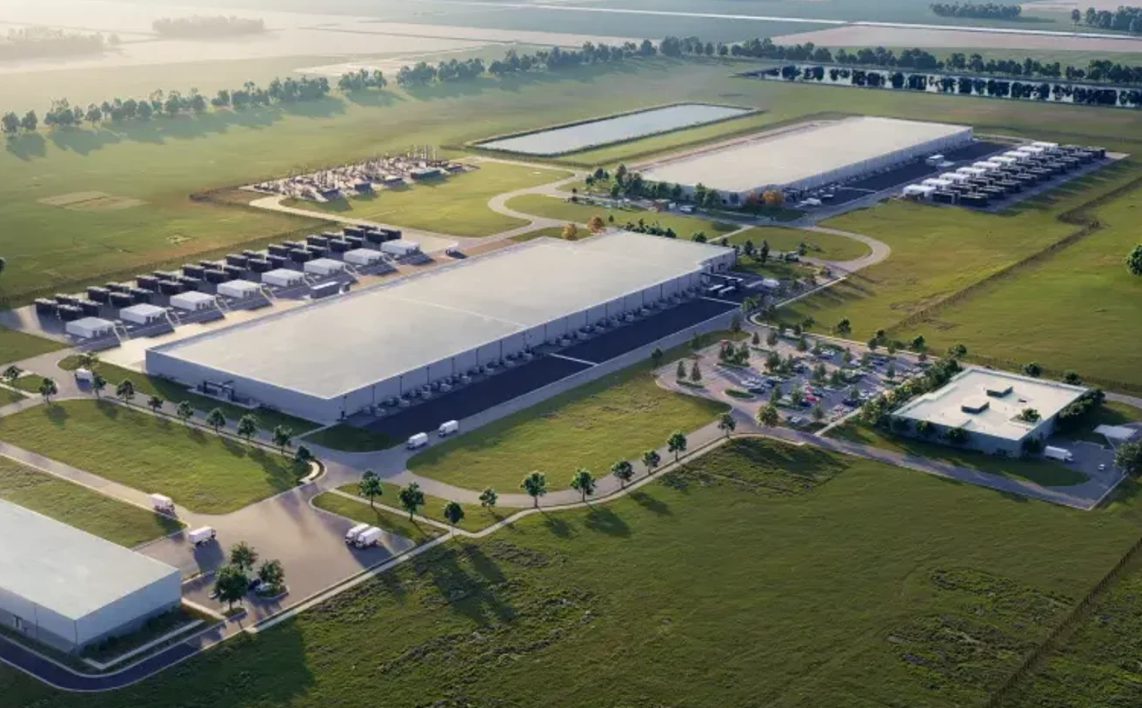
Data centers devour resources like a teenager raids the fridge after school. Individual facilities gulp down five million gallons of water daily while consuming electricity equivalent to powering entire cities. In Minnesota alone, 13 proposed centers would demand energy matching all 2.3 million homes statewide.
Meanwhile, electricity bills have skyrocketed 267% over five years as utilities upgrade infrastructure—costs equally split between tech giants and residential customers paying monthly bills. You’re essentially subsidizing OpenAI’s ChatGPT training while your own electric bill climbs. Small wonder that 65% of Americans surveyed oppose data centers in their neighborhoods.
When Communities Fight Back
Some resistance has turned dramatic. A small Missouri town ousted its entire city council after members approved a $6 billion AI data center project. In Indiana, an unknown assailant shot at a politician’s home and left a “NO DATA CENTERS” note—illustrating how emotionally charged this battle has become.
Currently, 69 jurisdictions have blocked new construction, with four municipalities enacting permanent bans rather than temporary moratoriums. Maine positions itself to become the first state implementing comprehensive restrictions, pausing approvals for facilities requiring over 20 megawatts until October 2027.
Harford County Executive Bob Cassilly announced permanent prohibition legislation, declaring his county “not interested in becoming a regional hub for data center development.”
Industry Scrambles as Timelines Implode
These restrictions threaten the AI arms race timeline. Hyperscalers like Google, Meta, and Microsoft are rushing to build competing infrastructure while simultaneously facing hardware shortages and now geographic constraints. Anirban Basu, chief economist for Associated Builders and Contractors, predicts “Maine will be the first of many states to implement such moratoriums.”
Federal politicians have noticed. Bernie Sanders and Alexandria Ocasio-Cortez introduced legislation targeting national data center construction, while President Trump extracted “ratepayer protection pledges” from tech executives.
The revolt exposes a fundamental disconnect: tech companies assumed communities would welcome their infrastructure like previous generations embraced highways or airports. Instead, they’re discovering that AI’s promise doesn’t outweigh immediate environmental and economic impacts for people whose wells run dry and electricity bills double. Communities are learning they don’t have to accept corporate externalities as inevitable progress.