Your earbuds shouldn’t double as spy cameras, yet Apple apparently missed that memo. The company’s reportedly developing camera-equipped AirPods that could capture your surroundings for AI queries—raising questions about whether convenience justifies creating the most discreet recording device ever made.
The Visual Intelligence Promise
Apple envisions low-resolution cameras in extended AirPods stems feeding environmental data to Siri for contextual queries.
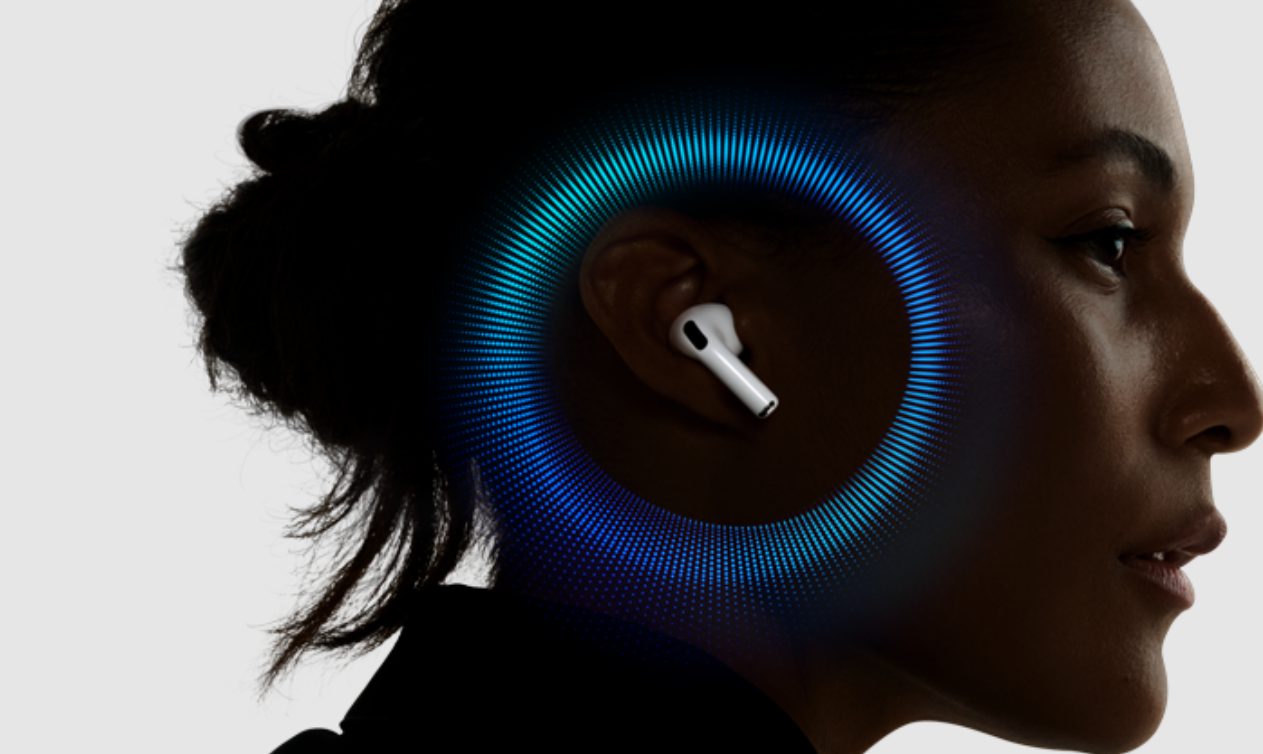
According to Bloomberg’s Mark Gurman, prototypes resemble AirPods Pro with longer stems housing tiny cameras in both buds. The pitch sounds reasonable enough: point your head toward ingredients and ask Siri for recipe suggestions, or get landmark information during walks. Apple Intelligence would process visual data alongside voice commands, potentially launching by late 2026.
The cameras won’t capture photos or videos—think more like feeding your digital assistant visual context rather than creating Instagram content. Apple’s positioning this as bridging earbuds and future smart glasses, offering ambient computing without the dorky eyewear stigma.
The Battery Life Reality Check
University research shows camera modules could slash AirPods battery life in half, creating a fundamental usability problem.
Here’s where Apple’s vision crashes into physics. University of Washington research using modified Sony and AirPods Pro earbuds found camera integration cuts battery life roughly 50%. Your current six-hour AirPods Pro sessions become three-hour sprints before hitting the charging case.
This isn’t a minor inconvenience—it fundamentally breaks the product’s core promise. Dead earbuds during your commute because you asked Siri about a restaurant menu earlier? That’s the trade-off Apple’s apparently willing to make for AI bragging rights.
Hair, hats, and hoods create additional problems. Cameras work best when unobstructed, but earbuds live in environments where occlusion happens constantly. Winter beanie season alone could render the feature useless for months.
The Invisible Surveillance Problem
Unlike visible smart glasses, camera-equipped earbuds create unprecedented potential for stealth recording in private spaces.
Apple plans tiny LED indicators signaling when cameras transmit data—similar to MacBook webcam lights. The problem? These indicators disappear when earbuds sit in your ears, obscured by hair, or hidden under headwear. Unlike Meta’s Ray-Ban glasses with obvious camera modules, these AirPods maintain “social invisibility” while potentially recording.
Gym locker rooms, bathrooms, and private conversations become potential surveillance zones when recording devices become essentially invisible. The technology might enable helpful accessibility features for visually impaired users, but it simultaneously normalizes ambient recording in spaces where privacy expectations still exist.
Apple’s broader AI wearables push—following Tim Cook‘s promises of “new product categories”—positions this as inevitable progress. But progress toward what, exactly? A world where everyone’s potentially recording everyone else, just more discreetly than before?
The concept might survive if Apple solves the battery problem and addresses privacy concerns convincingly. Until then, it feels like surveillance technology disguised as convenience—a trade most people aren’t ready to make.