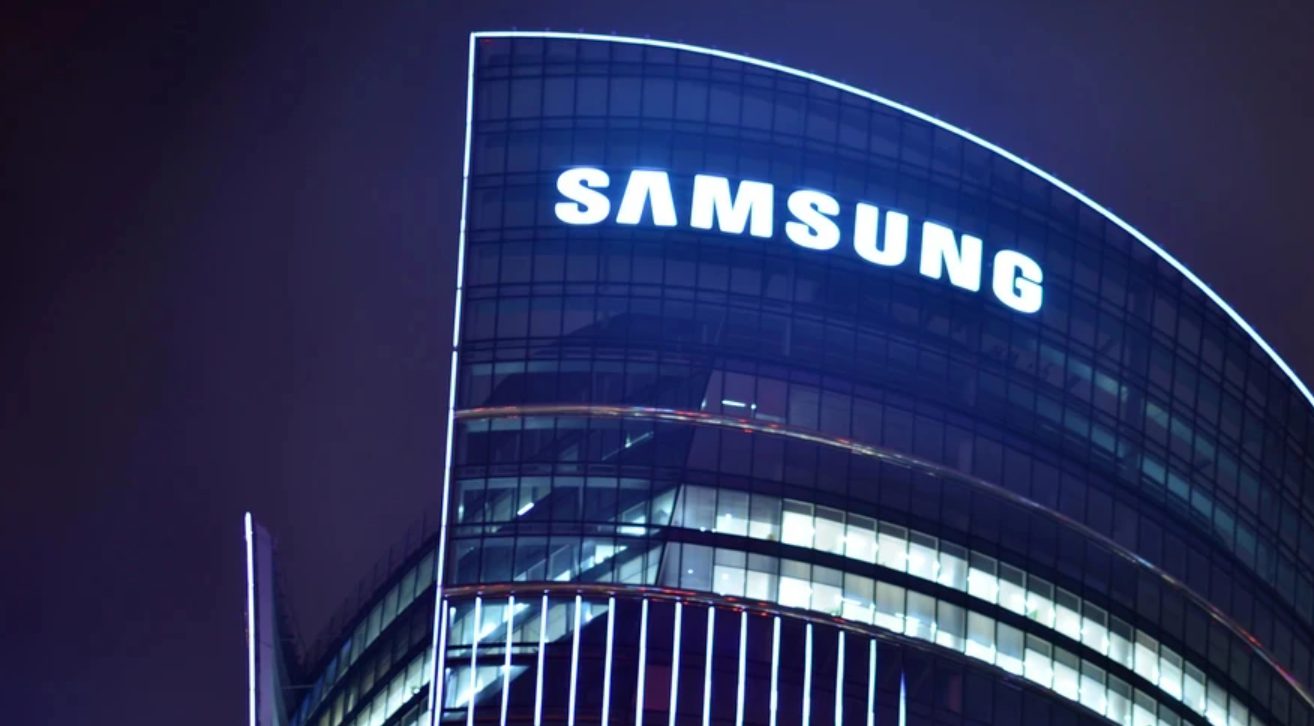
Your next GPU upgrade just got more expensive. Samsung semiconductor workers turned down a staggering $340,000 per employee bonus—roughly 13% of the chip division’s operating profit—demanding guaranteed annual payouts instead. The rejection sets up an 18-day strike threat that could disrupt the very HBM4 memory chips powering AI data centers and next-generation graphics cards.
Union Demands Annual Guarantees Over One-Time Windfalls
Workers want 15% profit sharing locked in permanently, not management’s 13% one-time offer.
The National Samsung Electronics Union isn’t just haggling over percentages. They’re demanding structural change:
- 15% of annual profits distributed to workers
- Removal of bonus caps
- 7% wage increases
Management’s counteroffer of 10% allocation with a 6.2% pay raise sounds generous until you realize Samsung’s semiconductor division expects 300 trillion won in operating profit this year.
Workers see SK Hynix employees potentially earning $900,000 payouts and wonder why they should settle for less when Samsung dominates memory production. The comparison stings even more considering over 200 Samsung employees have already jumped ship to SK Hynix.
AI Chip Production Faces $11 Billion Disruption
Strike targeting HBM4 memory could delay AI accelerators and spike GPU prices.
Samsung’s planned strike from May 21 to June 7 targets production of high-bandwidth memory chips that AI companies desperately need. These HBM4 chips are critical components in AI accelerators and data center infrastructure. Daily production losses could hit approximately $750 million, with total strike damage reaching $11.7 billion according to analysts.
That math translates directly to higher prices and longer wait times for AI-capable hardware. If you’ve been waiting for GPU prices to stabilize or planning to upgrade your gaming rig, this labor dispute could derail those hopes.
Coalition Cracks as Consumer Division Bails
Samsung’s consumer electronics union withdrew, leaving 28,000 chip workers to strike alone.
Even Samsung’s own unions can’t agree on the bonus battle. The consumer electronics division pulled out of joint strike action, arguing chip workers already earn disproportionately high bonuses—up to $476,000 compared to their modest payouts. This fracture weakens the coalition but leaves the most critical 28,000 semiconductor workers ready to shut down production.
Your AI hardware costs are about to reflect just how much power semiconductor workers wield in the global tech supply chain.