Apple agreed to a $250 million settlement this week to resolve class-action lawsuits alleging the company misled iPhone buyers about AI capabilities that existed mainly in marketing materials. The tech giant promised revolutionary Siri upgrades and Apple Intelligence features in June 2024, then delivered phones in September with AI that couldn’t handle basic tasks without embarrassing failures.
The Promise vs. Reality Gap
Apple’s June showcase promised context-aware AI assistance that arrived months late or not at all.
Remember Apple’s June showcase where Siri supposedly became your context-aware digital assistant? The demos suggested real-time help across apps, natural language processing, and notification summaries that actually made sense. Instead, iPhone 16 and iPhone 15 Pro buyers got AI that misinterpreted news alerts so badly that Apple had to disable the feature entirely.
Your “smart” assistant remained about as helpful as autocorrect after a few drinks.
Who Gets Paid and How Much
The settlement covers 36 million devices with payouts ranging from $25 to $95 per device.
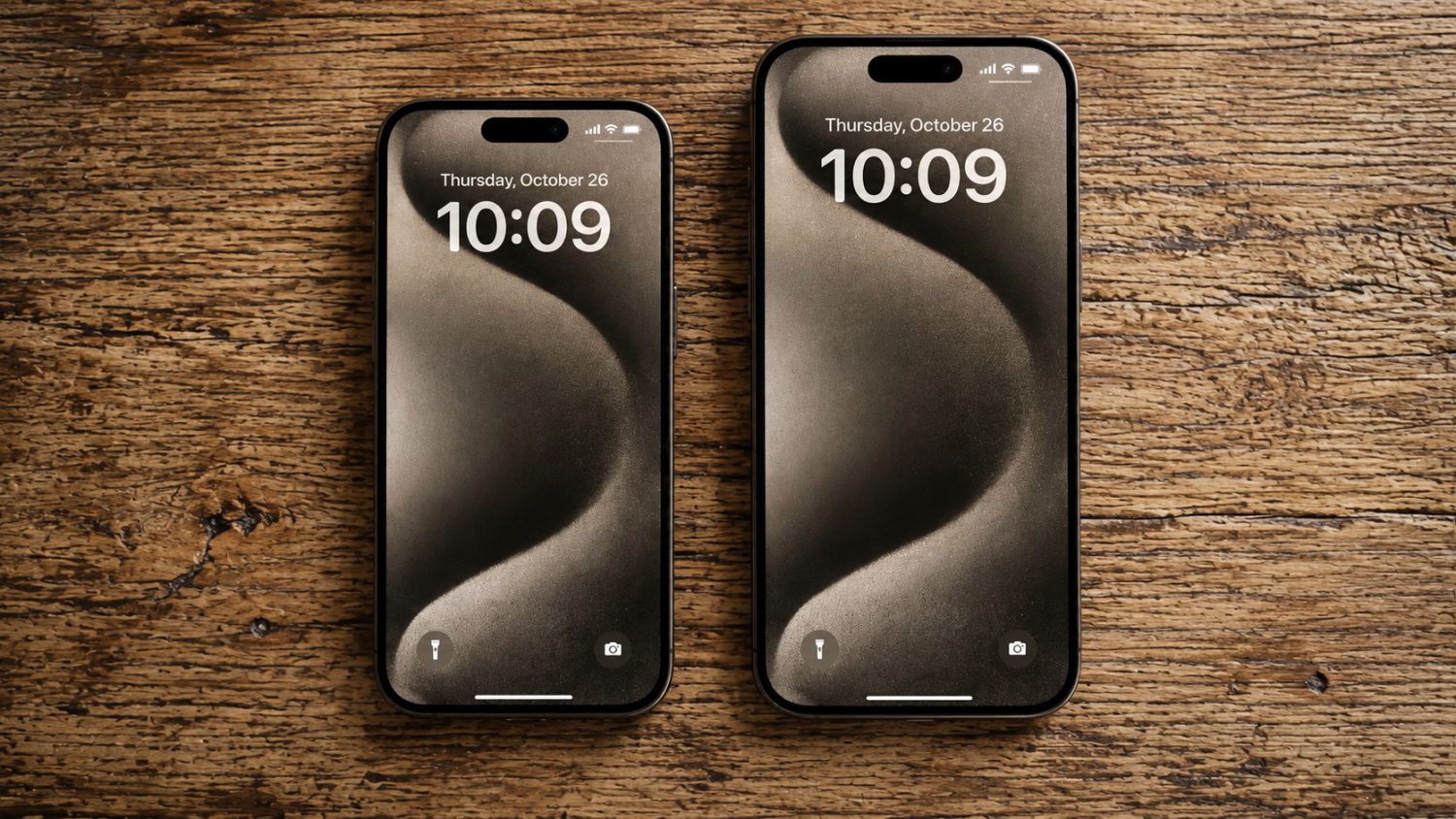
The settlement covers roughly 36 million eligible devices—iPhone 16 series and iPhone 15 Pro models purchased between June 10, 2024, and March 29, 2025. You could receive between $25 and $95 per device, pending court approval on June 17, 2026, according to filings in the Northern District of California. No admission of wrongdoing from Apple, naturally.
When AI Features Became Liability Features
Notification summary disasters forced Apple to disable features entirely due to quality problems.
The notification summary disasters became legendary among early adopters. Apple’s AI would confidently misinterpret breaking news, creating confusion that made Siri’s old inability to set multiple timers look quaint. Advanced Siri features that were supposed to launch alongside the phones got pushed past March 2025 due to quality problems.
Even the Better Business Bureau stepped in, ruling Apple’s claims that AI Siri was “available now” as false advertising.
This represents the first major consumer lawsuit targeting AI feature overpromising—a precedent that should make every tech company’s marketing team sweat. Apple spokesperson Marni Goldberg stated the company resolved the matter to “stay focused on delivering the most innovative products,” but the damage to credibility around AI promises runs deeper than quarterly earnings.
The settlement signals that the era of consequence-free AI hype may be ending, forcing companies to match revolutionary marketing with actually functional features.