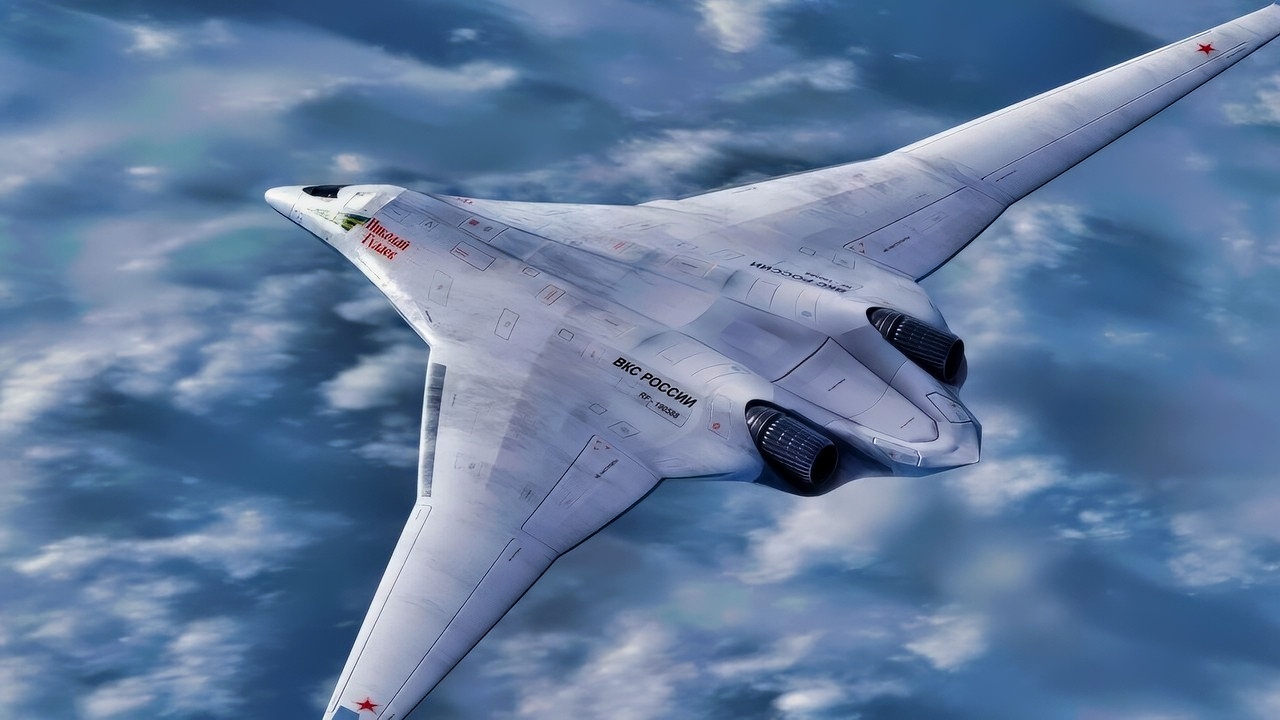
Russia’s aging Tu-95 bombers are museum pieces masquerading as strategic deterrents, yet the November 2025 intelligence leak shows why their replacement remains trapped in development hell. Ukrainian operatives from InformNapalm penetrated the Experimental Design Bureau of Motor Engineering (OKBM), extracting classified contracts that expose the PAK DA stealth bomber program’s most damaging vulnerability: critical dependence on foreign manufacturing equipment that Western sanctions have severed. These aren’t just procurement hiccups—they’re structural bottlenecks that undermine decades of supposed military-industrial self-sufficiency.
Foreign Machines, Russian Dreams
Taiwan-made CNC equipment becomes unexpected chokepoint for Moscow’s bomber plans.
The leaked contracts reveal OKBM’s reliance on Taiwan-manufactured Hartford and Johnford CNC systems to produce precision aerospace components, including the bomb-bay actuators coded “80RSh115” for the PAK DA. You know how smartphone makers discovered their chip vulnerabilities during recent supply crunches? Russia‘s defense industry faces the same reality check, except their foreign dependencies involve the tools that shape stealth bomber parts. The European Union’s October 2025 sanctions package specifically targeted OKBM, cutting access to these precision manufacturing systems and pushing component delivery dates to August 2027—assuming they can source replacement equipment.
Cannibalizing Fighter Jets for Bombers
PAK DA program raids Su-57 components, creating resource competition across platforms.
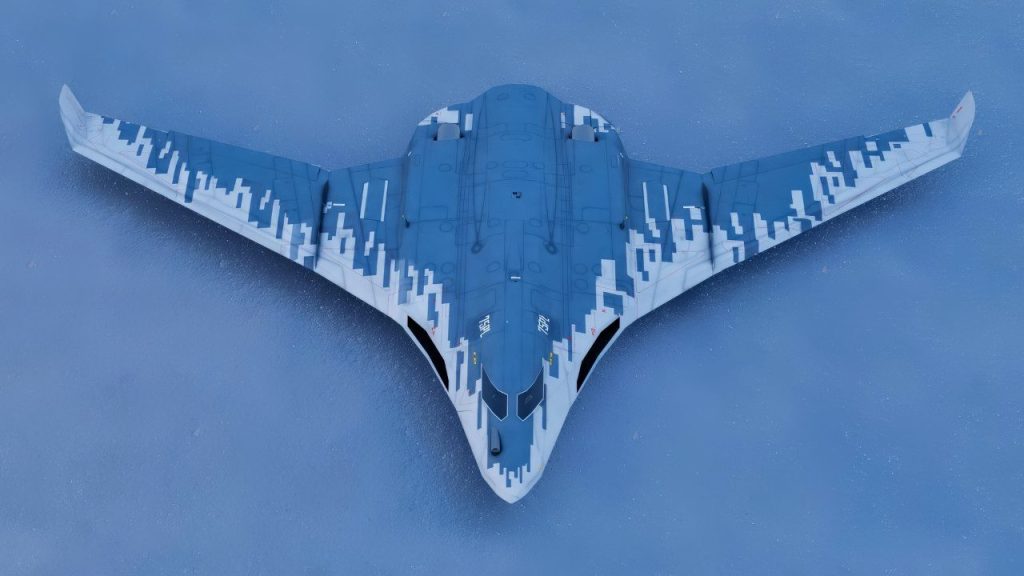
Rather than revolutionary engineering, the PAK DA heavily reuses components from Russia’s troubled Su-57 fighter program, including similar gearbox-joint systems for weapon bay operations. This component sharing creates a zero-sum game: every part allocated to bomber development means fewer resources for fighter production. The NK-32 engine situation exemplifies this constraint—the same powerplants designed for Tu-160 modernization must also serve PAK DA prototypes, creating cascade delays across multiple aircraft programs when manufacturing bottlenecks hit.
Timeline Fiction Meets Manufacturing Reality
No verified prototype flights contradict official progress claims.
While Russian media claims serial production readiness by 2027, the leaked documentation tells a different story. No independently verified PAK DA prototype has completed flight testing, and major developmental milestones like engine integration remain absent as of May 2026. Defense analysts characterize the program as “a symbol of ambition rather than a functional near-term platform,” with internal Russian audits documenting production delays directly attributable to Western supplier access loss.
Strategic Bomber Gap Widens
B-21 production advances while PAK DA remains theoretical.
The timing couldn’t be worse for Moscow. As Russia’s stealth bomber languishes in extended development, the U.S. Air Force accelerates B-21 Raider integration into operational squadrons. This asymmetric timeline provides NATO planners additional years to mature advanced air defense systems before facing operational PAK DA deployments—assuming the program ever reaches that stage. The leaked documents suggest even optimistic projections place initial operational capability in the early-to-mid 2030s, extending Russia’s reliance on Soviet-era platforms well into the next decade.