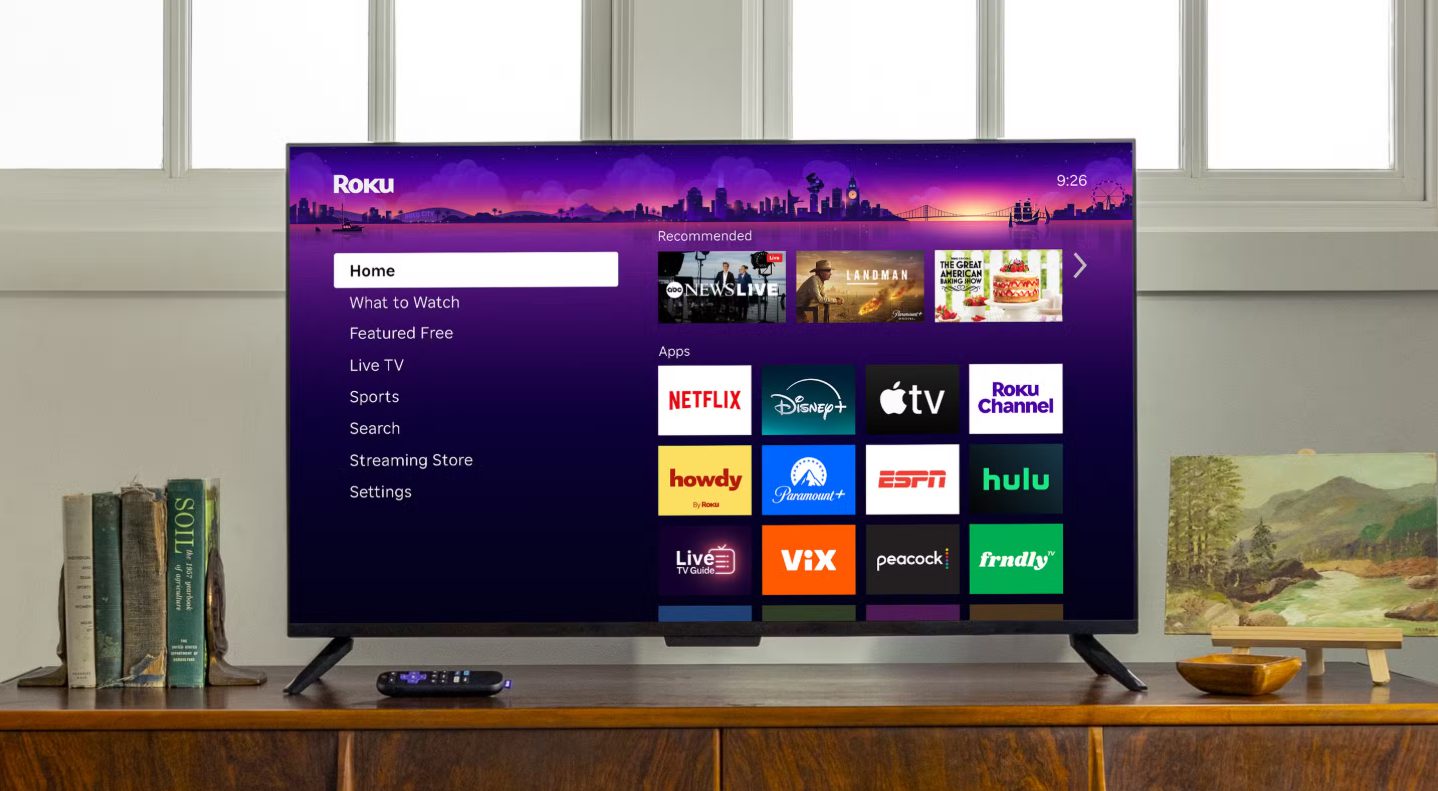
Software updates turned enemies for thousands of smart TV owners. What should deliver new features instead renders expensive televisions useless—frozen screens, endless boot loops, or complete failure to power on. A class action lawsuit filed in April targets Roku and TCL, claiming their automatic updates systematically destroy the very devices they’re meant to improve.
When Updates Attack Your Living Room
Roku and TCL face legal heat for allegedly releasing defective software that “bricks” smart TVs through forced updates.
The lawsuit, Else v. Roku, Inc. et al., landed in California federal court with Los Angeles resident Terri Else leading the charge. Her complaint targets:
- Roku Select Series
- Roku Plus Series
- TCL’s 3-, 4-, 5-, and 6-Series TVs running Roku OS
Specifically models purchased after December 16, 2024. These aren’t isolated glitches. Users report TVs freezing mid-Netflix binge, displaying permanent black screens, or cycling through endless restart loops like a digital purgatory.
The term “bricking” describes when electronic devices become as useful as a brick—completely unresponsive and unfixable through normal user actions.
The Update Trap You Can’t Escape
Unlike phones, smart TVs offer minimal options to avoid or roll back problematic software updates.
Here’s where smart TVs become particularly cruel: you can’t easily downgrade firmware like rolling back your iPhone. The lawsuit alleges Roku and TCL knowingly released “repetitively defective“ updates without adequate testing. This contradicts their marketing promises of “reliable performance” and “ongoing improvements.” When your $500 TV becomes a paperweight 18 months after purchase, warranty support typically offers factory resets—not actual solutions.
Reddit Validates the Rage
Online communities document widespread TV failures following Roku OS updates, supporting legal claims with real user experiences.
The lawsuit echoes complaints flooding Reddit’s TCL and Roku subreddits for over two years. Users describe picture loss, strange visual artifacts, and TVs requiring constant resets after updates. One Top Class Actions commenter perfectly captured the frustration: expensive TVs becoming “completely unusable” despite being relatively new. This isn’t the premium streaming experience anyone signed up for when making the switch to cord-free entertainment.
Companies Push Back, Users Push Forward
Roku dismisses lawsuit claims while seeking nationwide class certification and damages for affected consumers.
Roku’s spokesperson told Tom’s Guide they “believe the claims are meritless,“ while TCL declined comment entirely. The lawsuit seeks:
- Nationwide class certification
- California-specific damages
- Restitution
- Injunctive relief demanding better update disclosure practices
For budget-conscious households who chose these TVs specifically for reliable streaming, the stakes feel personal. When your primary entertainment hub fails, it’s more than inconvenience—it’s a breach of the promise that smart TVs would just work.