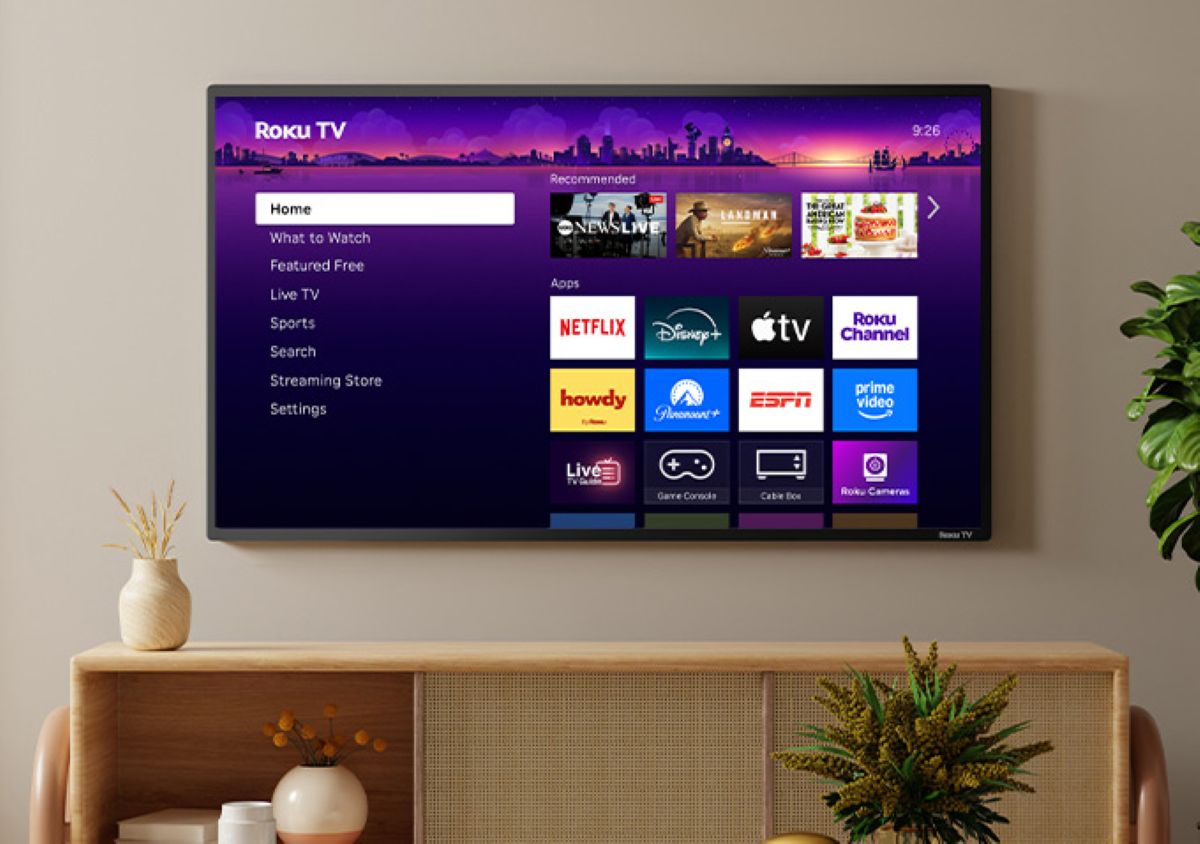
Your favorite streaming stick might vanish from store shelves. The U.S. International Trade Commission launched an investigation April 1st targeting Roku players and Hisense smart TVs for alleged patent violations — the kind that typically ends with import bans.
Patent Trolling Meets Streaming Reality
Las Vegas company claims tech giants stole its innovations
InnoTV Labs, a Las Vegas patent holder, accused Roku and Chinese manufacturer Hisense of ripping off its streaming technology patents. According to the USITC, the investigation covers “certain streaming players, display devices, and components” flooding U.S. markets. Section 337 probes sound bureaucratic until you realize they’re basically trade court death sentences — violating products get banned from entering the country.
This isn’t InnoTV’s first rodeo with these companies. Roku filed challenges against InnoTV’s patents back in June 2024, eventually settling with licensing deals by January 2025. Hisense jumped into the patent challenge game in May 2025, showing how seriously manufacturers take these threats.
Streaming Wars Go Nuclear
Patent battles escalating across the entire industry
The investigation reflects a broader patent war consuming streaming technology. Roku faces separate lawsuits in Brazil over HEVC video compression patents — the codec that makes 4K streaming possible without destroying your internet bandwidth. Meanwhile, Hisense battles InterDigital across multiple countries over video patents in smart TVs.
These aren’t isolated skirmishes. Patent enforcement has become the streaming industry’s version of nuclear deterrence, with companies stockpiling intellectual property like Cold War superpowers. Every major streaming feature — from voice search to video compression — sits on a minefield of competing patent claims.
What This Means for Your Living Room
Potential supply disruptions could reshape streaming choices
Import bans could force you toward Amazon Fire TV sticks or Samsung’s smart TV platform if Roku players disappear. Hisense TVs represent massive value in the budget smart TV market — losing that option typically means higher prices across competitors.
The investigation timeline remains unclear, but USITC cases typically resolve within 15-18 months. Companies usually settle through licensing agreements rather than risk complete market exclusion. Your streaming setup probably won’t change overnight, but this signals rising costs as patent licensing fees get passed to consumers through higher device prices.
Patent wars used to stay in courtrooms. Now they’re reshaping which gadgets reach your entertainment center.