Your daily commute through another bone-jarring pothole just got a silent witness. Waymo’s fleet of autonomous vehicles now automatically detects and reports road damage to city officials, turning every robotaxi ride into a mobile infrastructure inspection. It’s like having a perpetually alert passenger who never gets tired of spotting problems—except this one actually does something about it.
How Robot Cars Become Road Reporters
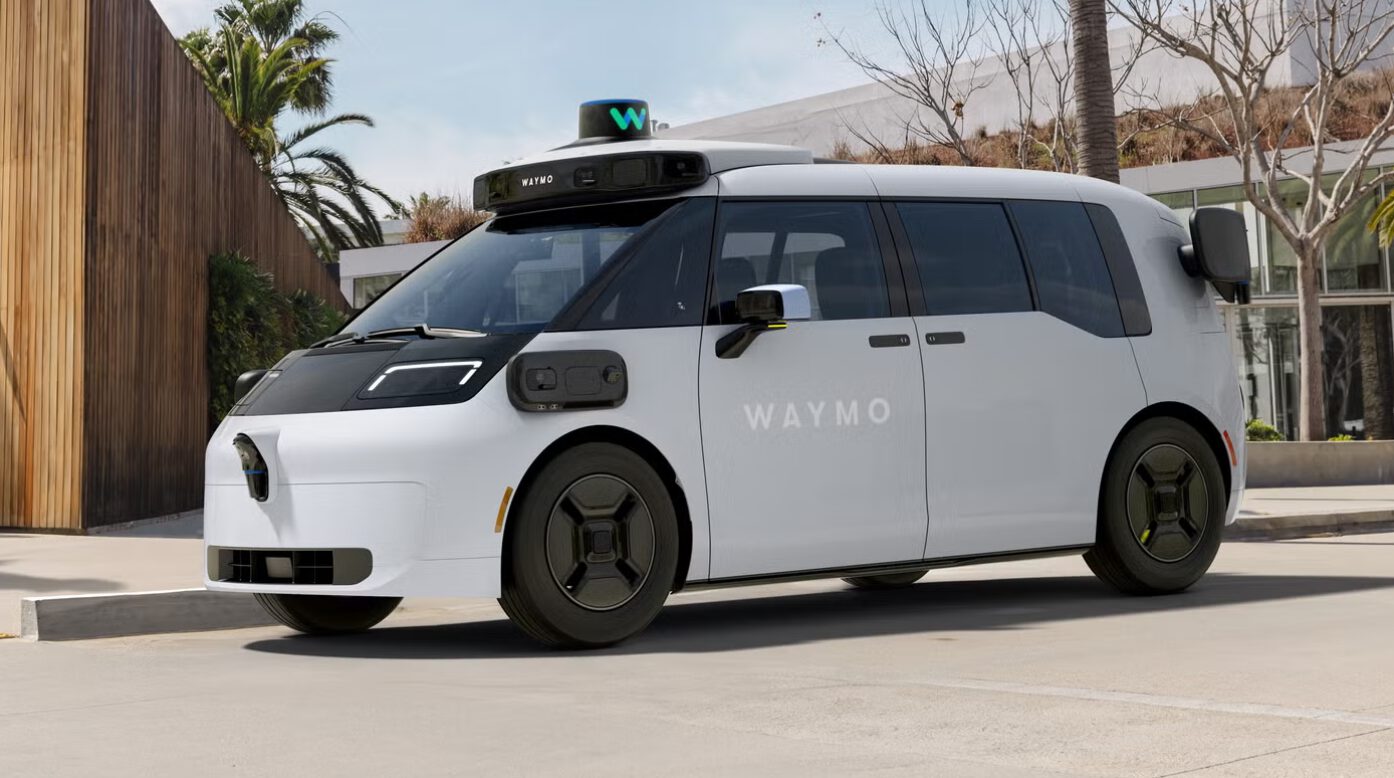
The system leverages Waymo’s existing perception hardware—cameras, lidar, and physical feedback sensors—to identify potholes during normal passenger service. When a robotaxi hits rough pavement, it logs the location and shares that data with cities through Waze for Cities, Alphabet’s free platform for municipal traffic management. Think of it as 311 reports, but generated automatically by vehicles that never forget to complain about road conditions.
Early Results Show Promise Across Five Metro Areas
The collaboration launched across San Francisco Bay Area, Los Angeles, Phoenix, Austin, and Atlanta—markets where Waymo operates commercially. The system has flagged approximately 500 potholes for repair crews since launch. Waze app users in these areas can now see Waymo-detected damage on their maps and verify reports in real-time, creating a feedback loop that improves accuracy. Your morning route might suddenly show fresh pothole warnings that weren’t there yesterday.
Cities Embrace Free Infrastructure Intelligence
San Jose Mayor Matt Mahan appreciates “the collaboration with Waymo and Waze as we explore how technology can help identify issues like potholes faster” than traditional systems. Cities receive location data at no cost, supplementing manual inspections that often miss problems between scheduled surveys. Waymo plans expanding the program to more cities over time, potentially targeting areas where road maintenance presents ongoing challenges.
Strategic Implications Beyond Pothole Patrol
This partnership reveals Alphabet’s broader strategy to reframe autonomous vehicles as community contributors rather than disruptive technology. By offering valuable civic services, Waymo builds goodwill that could ease regulatory approval for expanded operations. The initiative also demonstrates how AV sensor data can create new value streams beyond transportation, potentially influencing how cities approach infrastructure monitoring and budget allocation.