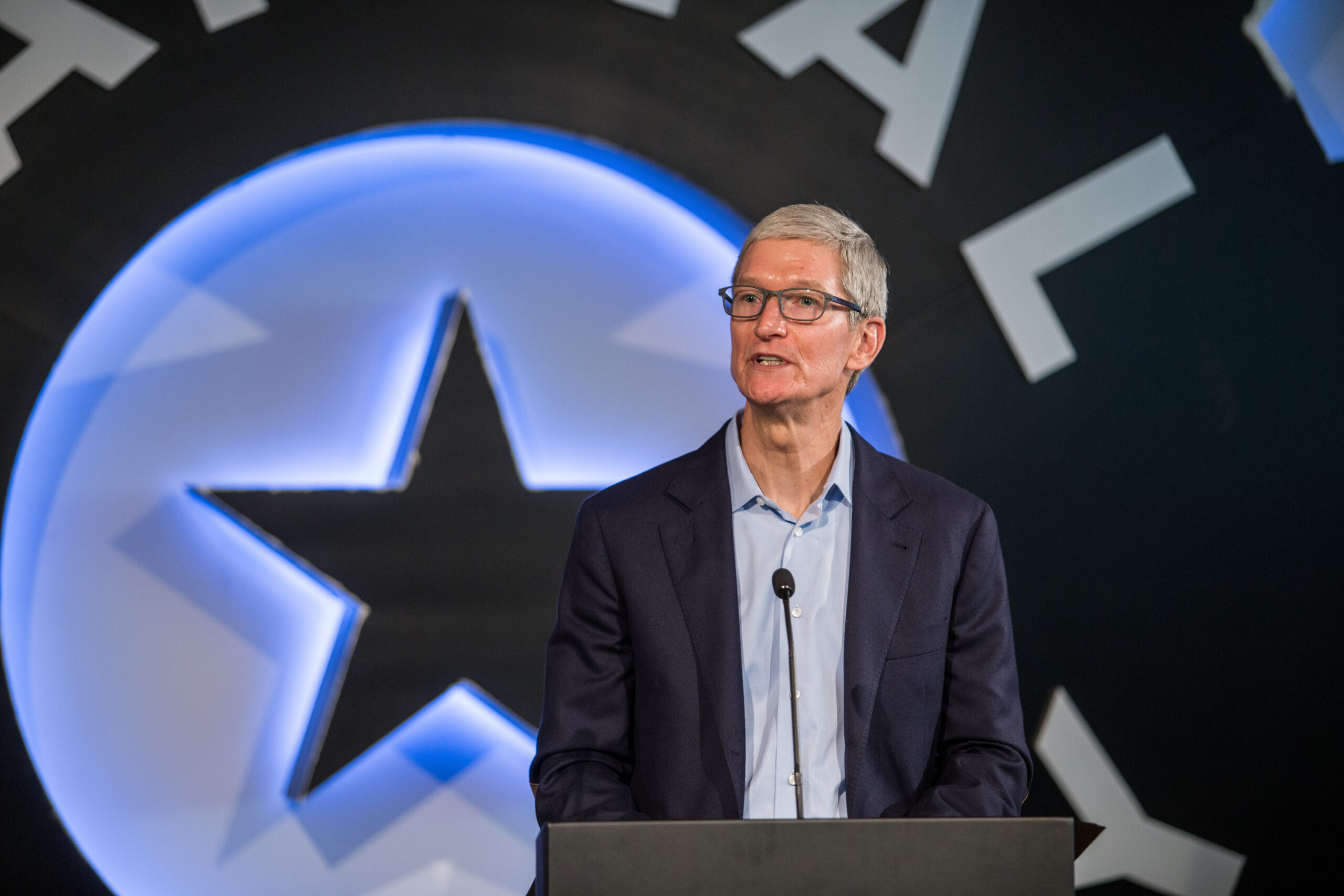
Twenty-five years of hardware engineering just earned John Ternus the ultimate promotion to Apple CEO. The company announced that Tim Cook will transition to Executive Chairman this September, handing the reins to the mechanical engineer who’s been quietly orchestrating your iPhone’s evolution since 2001.
From Product Design to Corner Office
The succession plan eliminates the uncertainty that typically follows major leadership changes. Ternus joined Apple’s product design team the same year the original iPod launched, eventually becoming Senior Vice President of Hardware Engineering in 2021. His fingerprints are all over the products you actually use — the Mac’s transition to Apple silicon, the iPhone 17 lineup including the new iPhone Air, and the MacBook Neo that redefined portable computing.
Cook described Ternus as having “the mind of an engineer and the soul of an innovator,” which sounds like corporate speak but actually matters. While Cook mastered operations and supply chains, Ternus understands why your AirPods Pro can now function as hearing aids and how recycled aluminum became Apple’s material obsession.
The Numbers Behind Cook’s Exit
Cook’s legacy reads like a venture capitalist’s fever dream. Apple’s market cap exploded from roughly $350 billion to $4 trillion under his watch — a 1,000% increase that makes even Bitcoin enthusiasts jealous. Annual revenue grew from $108 billion to over $416 billion, while services alone became a $100-billion business.
The transition timeline gives both leaders breathing room. Cook remains CEO through summer 2026, ensuring continuity while Ternus prepares for his September debut. This planned handover follows years of succession discussions, addressing investor concerns about leadership continuity.
What Changes Under Engineering Leadership
Ternus brings a fundamentally different perspective than his operations-focused predecessor. Expect faster hardware iteration cycles and potentially bolder design risks. The man who shepherded the Apple silicon transition and oversaw materials innovations like 3D-printed titanium in the Apple Watch Ultra 3 won’t shy away from technical challenges.
This shift arrives as Apple faces intensifying competition in AI, mixed reality, and automotive technology. An engineering CEO might prioritize breakthrough products over incremental improvements — exactly what Apple needs as it pushes beyond smartphones into new categories.
The succession signals Apple’s confidence in its hardware-first future, betting that product innovation will continue driving growth even as services revenue plateaus.