Your next GPU upgrade just got more expensive, and it’s not because of crypto miners this time. Nearly half of the AI data centers planned for US deployment in 2026 face delays or outright cancellation, according to analysts at Sightline Climate, who estimate 30-50% of projects won’t meet their timelines. The infrastructure reality check hitting Silicon Valley’s AI ambitions will ripple through your tech purchases in ways that make the chip shortage look simple.
Infrastructure Reality Meets Silicon Valley Dreams
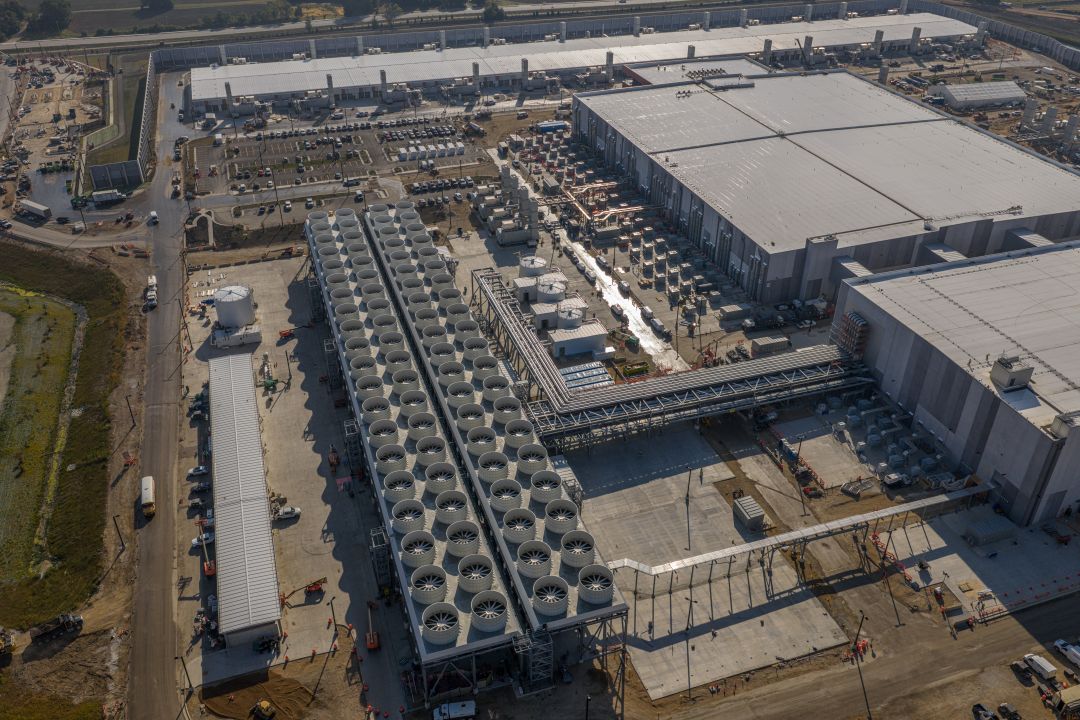
The numbers tell a brutal story about ambition versus engineering reality. Tech giants are pouring over $650 billion into AI infrastructure for 2026 alone, with companies like Google, Amazon, Meta, and Microsoft racing to build the backbone of our AI future. But across 140 planned projects targeting 16 gigawatts of capacity by year-end, only about 5 gigawatts are actually under construction.
The gap between ambition and reality mirrors last year’s track record: 26% delays and 10% complete project cancellations. Power grids that worked fine for traditional computing buckle under AI’s massive energy demands, creating bottlenecks that no amount of venture capital can solve overnight.
Supply Chain Bottlenecks That Make Chip Shortages Look Simple
The core problem isn’t silicon—it’s transformers, switchgear, and batteries. Lead times for electrical transformers have stretched dramatically since 2020, with some custom units now requiring 52-86 weeks for delivery. “If one piece of your supply chain is delayed, then your whole project can’t deliver,” explains Andrew Likens from Crusoe Energy.
Despite years of reshoring rhetoric, Benjamin Boucher from Wood Mackenzie confirms the uncomfortable truth: “There’s not enough domestic capacity… forced to go to the export market.” That market? Still largely China, where competing demand from electric vehicles and heat pump installations creates additional pressure on already strained manufacturing capacity.
Your Wallet Feels the Squeeze
This infrastructure bottleneck creates a ripple effect hitting your next tech purchase directly. AI data centers devour the same memory, CPUs, and storage components that power consumer devices. When hyperscalers hoard these parts for their massive server farms, prices climb for everyone else. Your gaming rig upgrade gets pricier while promised AI features arrive slower than advertised.
The irony cuts deep: companies spending hundreds of billions on AI infrastructure can’t get the basic electrical equipment to make it work. Like trying to stream 4K video on dial-up, the AI revolution is discovering that moving fast and breaking things doesn’t work when you need actual power grids and transformers that take years to build.