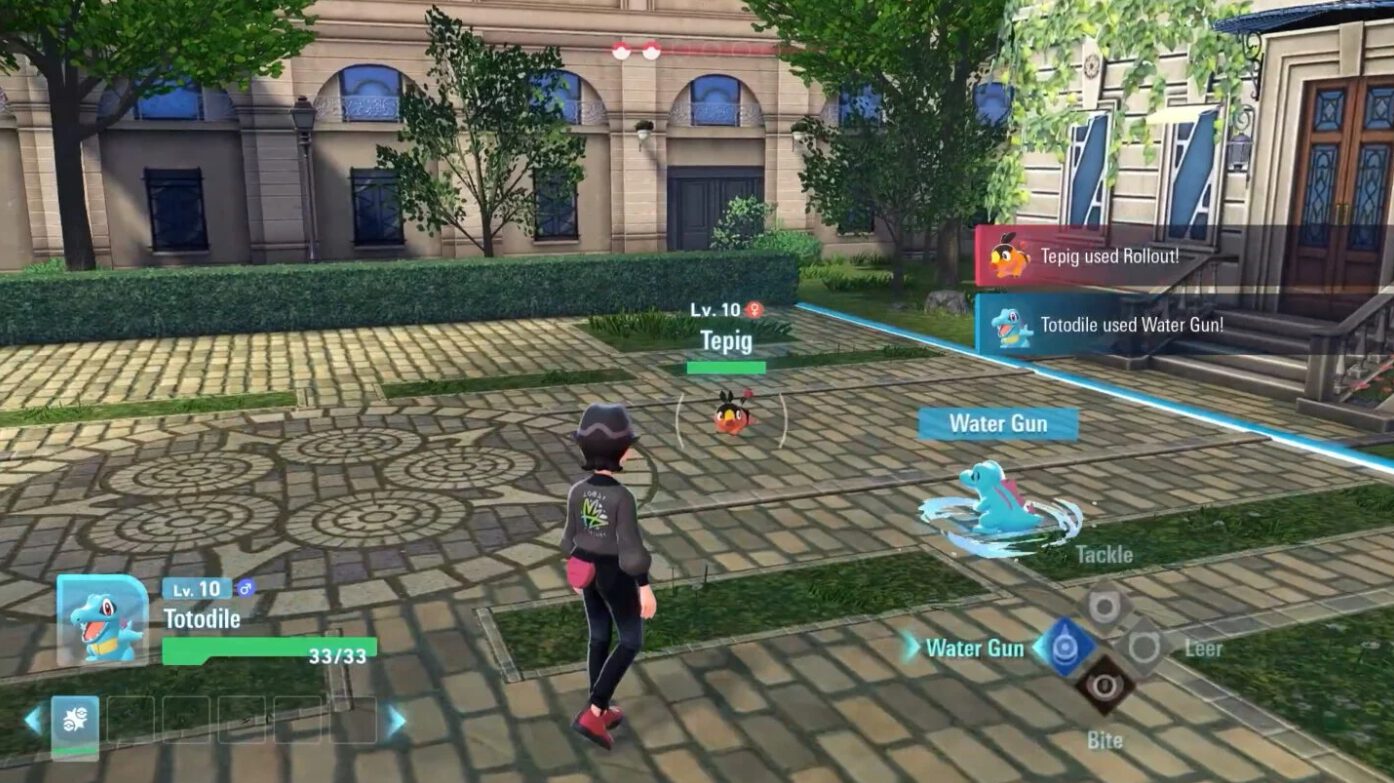
Patent concerns just got lighter for game developers everywhere. The US Patent and Trademark Office rejected all 26 claims of Nintendo’s US Patent No. 12,433,397 in April 2026, effectively revoking the company’s broad protection over character summoning mechanics. If you’ve worried about Nintendo suing games with Pokémon-style combat systems, this decision changes the landscape completely.
The Patent That Spooked Developers
Nintendo’s patent covered summoning sub-characters to battle on your behalf, either automatically or manually—think Pokémon battles, but also mechanics in Pikmin and countless other games. The breadth triggered anxiety across the industry, with developers fearing lawsuits over common gameplay elements. Games like Persona and the controversial Palworld suddenly seemed vulnerable to Nintendo’s legal team.
Rare Director Intervention Signals Trouble
USPTO Director John A. Squires ordered the patent’s reexamination in November 2025—the first director-initiated action without third-party involvement since 2012. This rare intervention cited “substantial new questions of patentability” from existing prior art, essentially questioning whether Nintendo’s patent should have been granted at all.
Prior Art Demolishes Nintendo’s Claims
The USPTO’s rejection hit like a combo attack from multiple sources:
- Konami’s 2002 Yabe patent already covered sub-character auto and manual fighting mechanics
- Nintendo’s own 2020 Taura patent created overlap issues
- Patents from Motokura (2022) and Bandai Namco’s Shimomoto (2020) provided additional prior art
- The examiner found that 18 claims were obvious combinations of existing ideas
Nintendo’s Next Move
The rejection isn’t final—Nintendo has two months to respond with possible extensions and can appeal to the Federal Circuit Court. Even salvaging one valid claim could allow narrowed enforcement against specific infringers. However, the comprehensive nature of the rejection suggests Nintendo faces an uphill battle defending such broad gameplay mechanics.
This decision signals caution for companies pursuing sweeping patents on common game features. Independent developers can breathe easier knowing that summoning mechanics won’t automatically trigger lawsuits. The patent office just reminded everyone that prior art matters—even when it’s hiding in plain sight across multiple gaming companies’ portfolios.