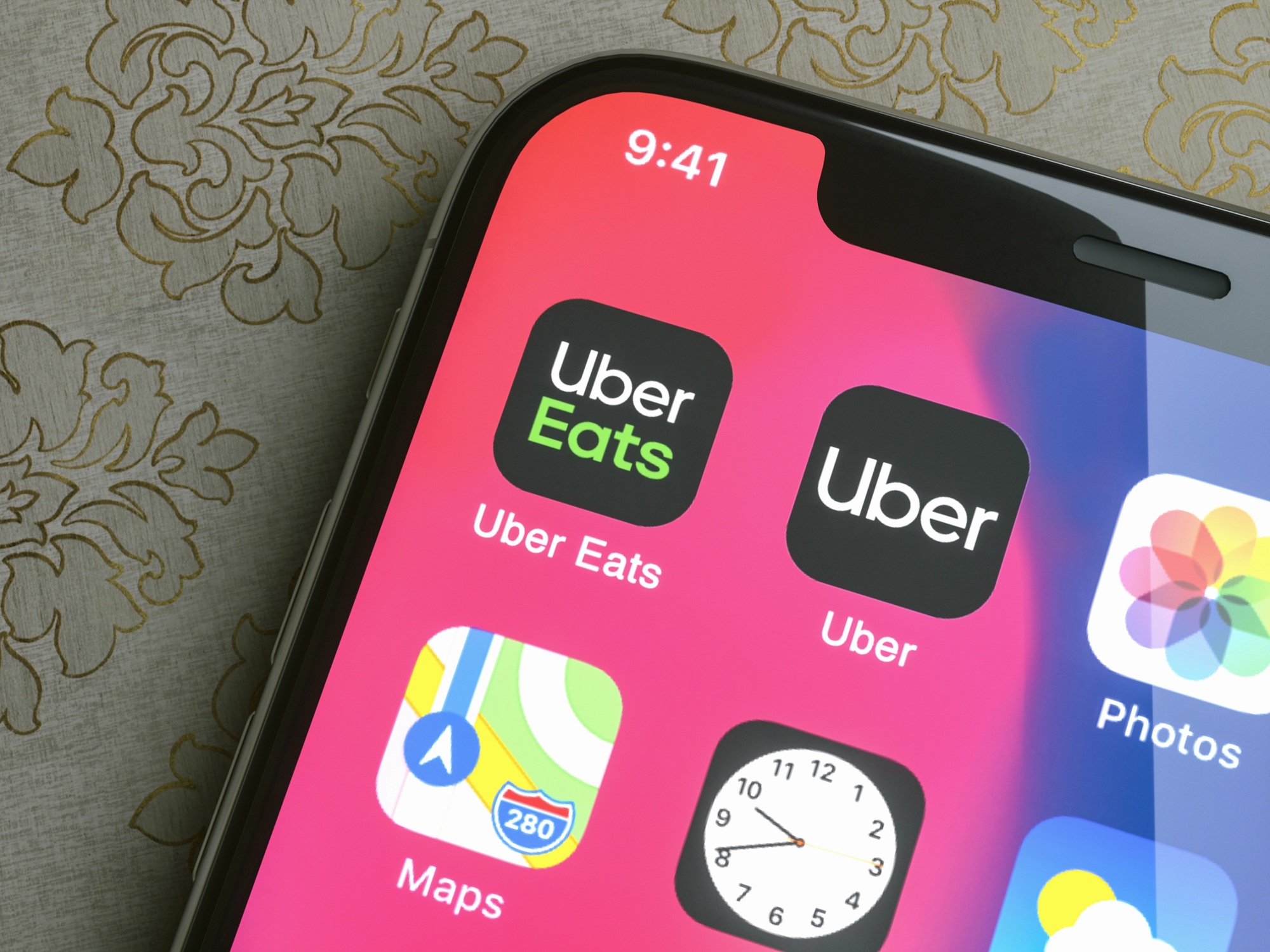
Kosta Apatsidis discovered this nightmare firsthand when scammers drained $27,000 from his eight Gyros and More locations across Windsor-Essex. The thieves altered banking information on his Uber-provided tablets, siphoning $20,000 from the Walker Road restaurant over a year and $7,000 from Amherstburg over six months. Like deleting security footage after a robbery, the fraudsters wiped order histories to cover their tracks.
Police Find Pattern of Platform Exploitation
Multiple similar cases under investigation across Canada point to systematic targeting.
Apatsidis stopped accepting Uber Eats orders in September when payouts started arriving late. By then, Windsor Police Service’s Financial Crimes Unit recovered evidence showing unauthorized third-party bank accounts linked to his profile. According to investigators, his case represents just one of several similar Uber Eats incidents they’re tracking—a pattern extending from Calgary ($4,000 delayed payouts) to Saskatoon cafés reporting payment redirections.
Cybersecurity Experts Point to Platform Accountability
Legal liability falls on delivery apps amid weak small business defenses.
Jeff Horncastle from the Canadian Anti-Fraud Centre identifies social engineering as the attack vector, explaining that fraudsters specifically target small businesses with weaker cybersecurity infrastructure. These scammers, often operating overseas, excel at manipulating busy restaurant owners through convincing phishing attempts.
Protection Requires Constant Vigilance
Simple security measures can prevent devastating financial losses before they start.
Uber emphasizes they never request passwords or one-time codes, advising merchants to verify @uber.com emails and review banking details regularly. The company offers Passkey enrollment and claims to withhold payouts when suspicious activity is detected. However, Uber only reached out to Apatsidis after media contact, suggesting reactive rather than proactive merchant protection.
Your restaurant’s financial security depends on treating delivery app accounts like bank accounts—because that’s essentially what they’ve become. Unique passwords, direct verification of any change requests, and immediate scrutiny of payout delays can save thousands in losses.