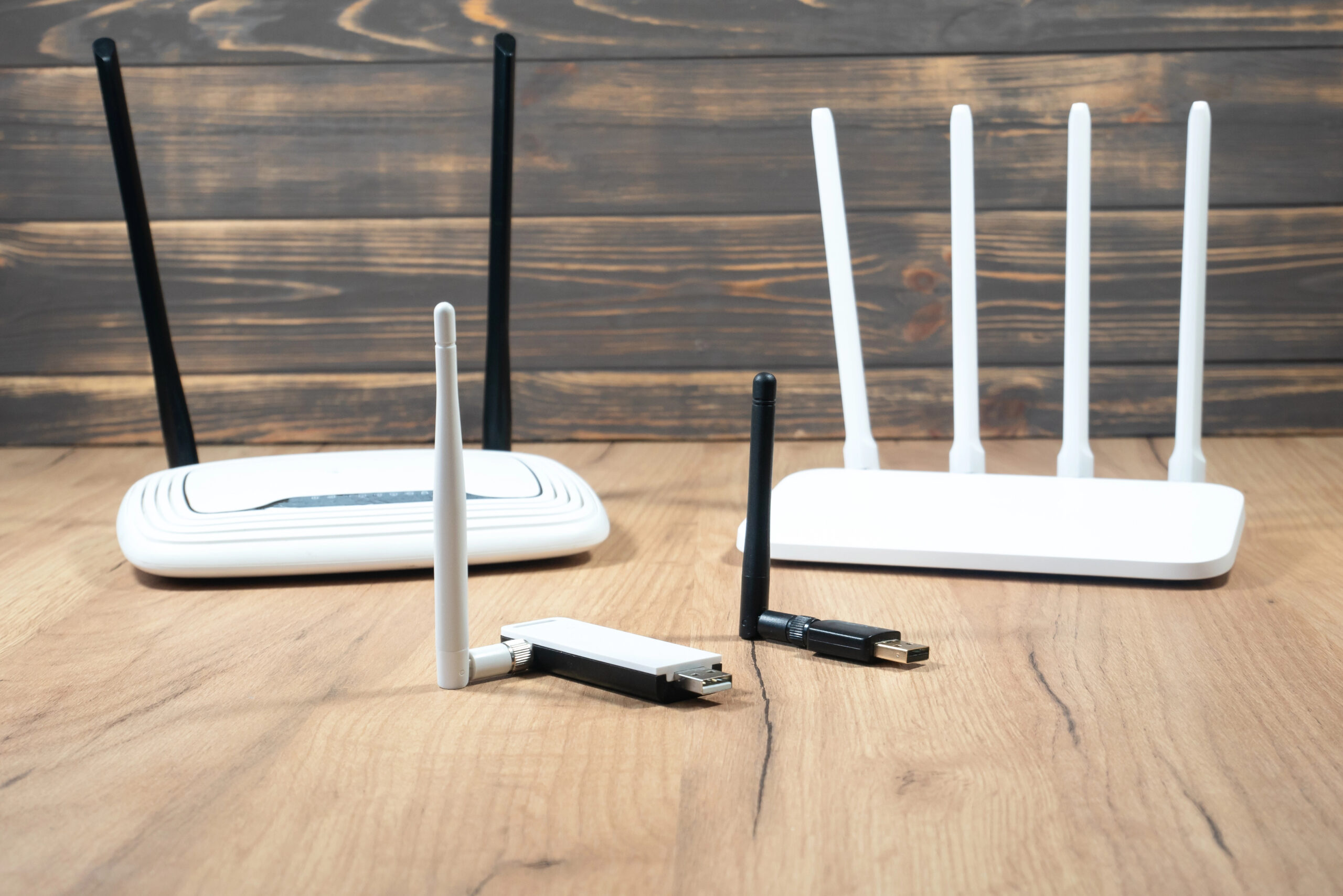
Your home network choices just got expensive. The FCC banned imports of all new foreign-made consumer routers starting March 23, 2026, citing cybersecurity threats from Chinese manufacturers who control 60% of the U.S. market. Those affordable TP-Link and Netgear routers flooding Best Buy shelves? That pipeline just dried up.
The Cyberwar Comes Home
A White House-convened security review determined these devices pose serious risks to critical U.S. infrastructure. Malicious actors have exploited vulnerabilities for attacks on households, network disruptions, espionage, and intellectual property theft—citing specific hacks like Volt Typhoon and Salt Typhoon. Rep. John Moolenaar, chair of the House Select Committee on China, praised the move, saying the decision “protects our country against China’s relentless cyberattacks” through devices that connect every smart gadget in your home.
The Pentagon can grant exemptions for routers deemed low-risk, but that bureaucratic process won’t help your immediate shopping decisions.
Market Reality Hits Different Now
Chinese manufacturers don’t just dabble in the router game—they own it. That 60% market share translates to most of the budget-friendly options you’d normally consider. The ban only applies to new imports, so existing models can still be sold until inventory runs out. But once those shelves empty, expect American and allied manufacturers to fill the void at premium prices.
TP-Link, already facing a Texas lawsuit for allegedly deceptive marketing and Beijing device access, denies Chinese government control and vows to defend its reputation. The company represents exactly the kind of market disruption this ban creates—popular, affordable, and now controversial.
Your Next Router Purchase Gets Complicated
This follows the FCC’s December 2025 ban on Chinese drones, part of a broader tech decoupling that’s reshaping your gadget options. Like choosing between Instagram and TikTok during the app wars, you’re now picking between security paranoia and budget reality.
Domestic alternatives exist—think Eero by Amazon or higher-end Netgear models manufactured outside China—but they cost significantly more. Your old router will keep working fine, but when upgrade time comes, that $50 router might become a $150 decision. The question isn’t whether Chinese routers posed risks, but whether American wallets can handle the cure.